-
Cities are at the Forefront of Climate Change
›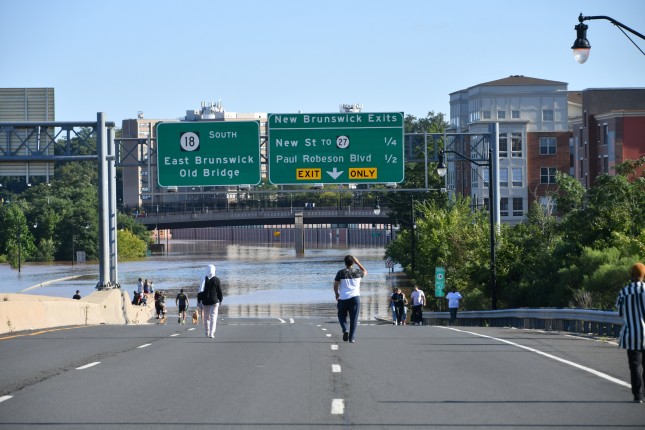
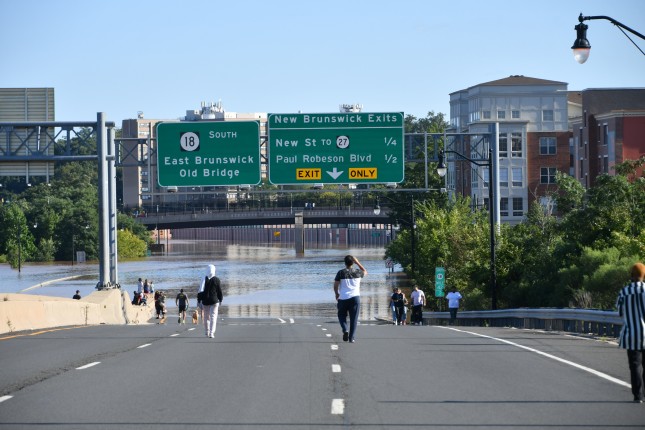
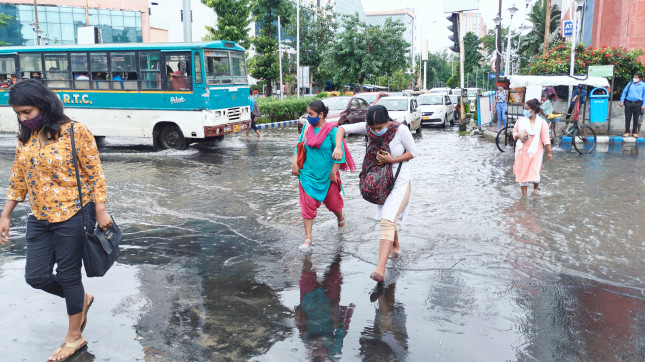
“The success or failure of cities will shape opportunities and quality of life for a growing share of the world’s population,” says the National Intelligence Council in its recent analysis of security risks the world will likely face by 2040. This is especially true for densely populated coastal and low-lying areas. The western United States continues to suffer extreme drought and fires after breaking heat records this summer. China has experienced significant flooding, highlighting its ill-preparedness for dealing with the effects of climate change. Parts of Brazil are suffering drought while others received unexpected snow and ice. Climate-related disasters have nearly doubled over the last two decades, causing over one million fatalities, affecting nearly 4 billion people, and costing almost 3 trillion dollars. At the heart of these impacts are cities.
-
COVID-19 and the Fight Against Climate Change: What Have We Learned?
›
As the world continues to battle the COVID crisis, we must not lose sight of the greatest long-term threat faced by mankind: climate change.
COVID-19 and its even more contagious variants have wrought misery upon our world, inflicting massive loss of life and sickness, widespread disruption of health services, and economic ruin with ensuing social upheaval. There is no silver lining.
We can, however, attempt to extract useful lessons from the strategies and tactics──both successful and unsuccessful──used to battle the contagion to better array our forces against that other pending global catastrophe: climate change.
-
Recommendations for the Biden Administration on Climate Migration
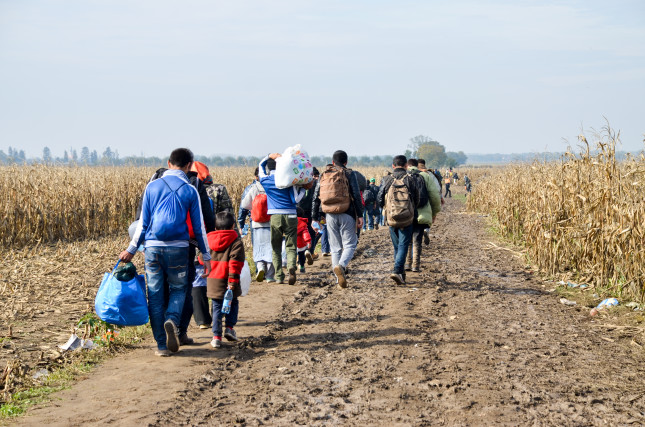
›“There is little doubt that tens of millions of people will be displaced over the next two to three decades due in large measure by disaster and other environmental changes affected by climate, with the majority displaced within the borders of their own countries. The United States has a special responsibility to lead on issues of climate change, migration, and displacement,” said Eric Schwartz, President of Refugees International, at a recent event presenting a Blue-Ribbon Task Force report on climate change and migration.
-
The Top 5 Posts of June 2021
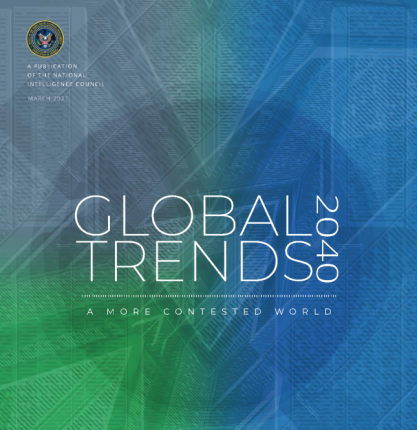
›In our top post for June, Steve Gale shares 5 consequences out of the National Intelligence Council’s recently released Global Trends report that development actors should be particularly attuned to. In addition to the “long tail” of the COVID-19 pandemic, the report recognizes the environmental consequences of climate change, including unprecedented numbers of wildfires, increased intensity of tropical storms, and sea-level rise. As a result, migration will be more pronounced and require more targeted aid approaches as demographics shift.
-
From Rhetoric to Response: Addressing Climate Security with International Development
›Over the past decade, our understanding of how climate change affects conflict and security has advanced considerably. Yet, how to best address the overlapping challenges of climate change, conflict, and human security remains an open question. In an article published in World Development, I address this topic by examining how climate security discourses inform development policy and, in turn, how the structures of development enable or constrain institutional capacity to address climate security. This research identifies not only the unique barriers the development sector must overcome, but also the ways in which the most common framings of climate change (i.e., as a threat multiplier) limit the scope for policy and programming.
-
Raising Ambition: The Role of the Green Climate Fund in Building Capacity and Catalyzing Investment
›Coordinating international financing for climate adaptation and mitigation remains a persistent challenge. In its 2020 Adaptation Gap Report, the United Nations Environment Programme observes that the annual cost of climate adaptation in developing countries could rise from $70 billion today to $280-500 billion by 2050—and current funding levels are growing at too modest a pace to keep up.
-
Nature-based Solutions: Latin America and the Caribbean’s Green Opportunity
›Already facing water stress, much of Latin America (such as the western slopes of the Andes and the dry corridor of Central America) is projected to experience intensified periods of drought in the coming decades, further complicating development efforts in the region. At the same time, heavy floods are the most common natural disaster in the region, disrupting life for countless people. According to the World Bank, in Latin America and the Caribbean alone roughly $14 billion per year is required to meet the 2030 water and sanitation targets of the United Nations Sustainable Development Goals. Typically, investments at this scale have been made by governments and large firms that invest in traditional infrastructure such as dams. But with ever-growing development needs and increased understanding of the impacts of climate change, Nature-based Solutions (NBS) are gaining momentum as a new way of incorporating environmental considerations into development responses.
-
Embracing Risk: Lessons Learned from Integrating Climate Adaptation and Biodiversity Conservation in Nepal
›The Hariyo Ban Program is one of the best examples of a sustainable development initiative that I’ve ever seen, said Nik Sekhran, Chief Conservation Officer of the World Wildlife Fund-US during a recent Wilson Center event on lessons learned from a decade of building resilience through participatory and inclusive natural resource management, climate adaptation, and biodiversity conservation in Nepal.
Showing posts from category adaptation.