-
El Niño Affects Food for 80 Million, “Paradigm Shift” Needed in Disaster Risk Assessment
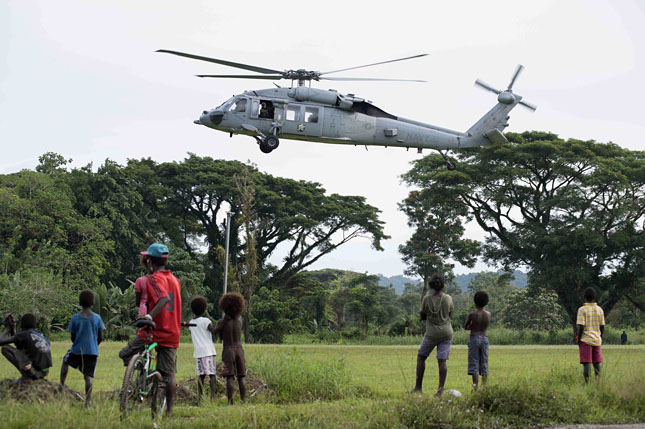
› A report by the European Union on global food security finds 240 million people are in food stress thanks to conflict, refugee situations, flooding, drought, and El Niño. Part of a 2012 commitment by the EU to better target the root causes of food insecurity, the report analyzes the hunger situation in 70 countries and provides deeper analysis for 20.
 -
Hunger in Shangri-La: Causes and Consequences of Food Insecurity in the World’s Mountains
›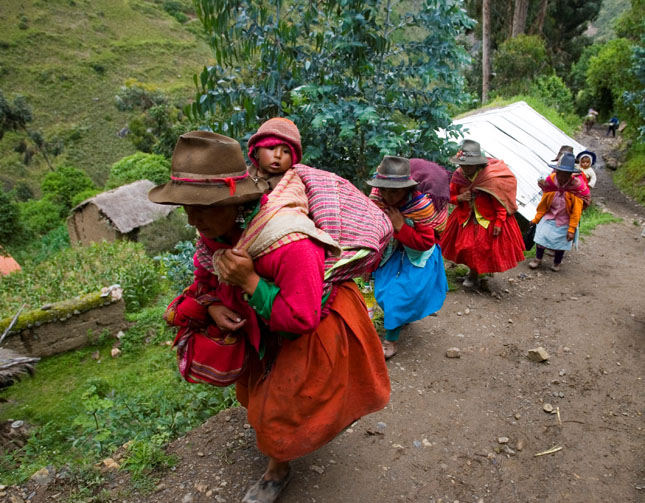
Over the past decade, the number of undernourished people around the world has declined by around 167 million, to just under 800 million people. However, this positive trend glosses over a stark reality: Food insecurity is increasing in the world’s mountains. This pattern has been under-recognized by development experts and governments, a dangerous oversight with far-reaching social and environmental repercussions.
-
Christine Parthemore, Center for Climate and Security
How Are Climate Plans Affecting Nuclear Security?
›May 5, 2016 // By Wilson Center StaffToday, new nations are pursuing civilian but dual-use nuclear capabilities, the threat of non-state actors seeking nuclear materials may be growing, and countries continue to debate proper ways to enhance nuclear safety, security, and nonproliferation systems to keep up with the pace of change. At the same time, governments worldwide are having difficulty managing the effects of a rapidly changing climate, such as more damaging natural disasters and resource stress. The relationships among nuclear, climate, and security risks are growing more complex and interconnected, and these issues are likely to begin converging in new ways. By early 2016, it has become clear that the international community must take a fresh look at the ways in which they are likely to connect and potentially collide in the years ahead, and foster deeper dialogue on what should be done about it.
-
India’s Young and Restless
›March 14, 2016 // By Michael KugelmanWhen we think about countries on the Indian subcontinent with destabilizing demographics, Pakistan comes to mind immediately. First, it’s a country with a very young population. Almost two thirds of its nearly 200 million people are under 25, and the median age is about 22. Second, this youth cohort is highly susceptible to radicalization. Nearly every terrorist attack in Pakistan since 9/11 has been perpetrated by someone under 30. In recent years, the Wilson Center has focused on Pakistan’s youth demographic challenges in detail. India, however, needs to be included in this conversation as well.
-
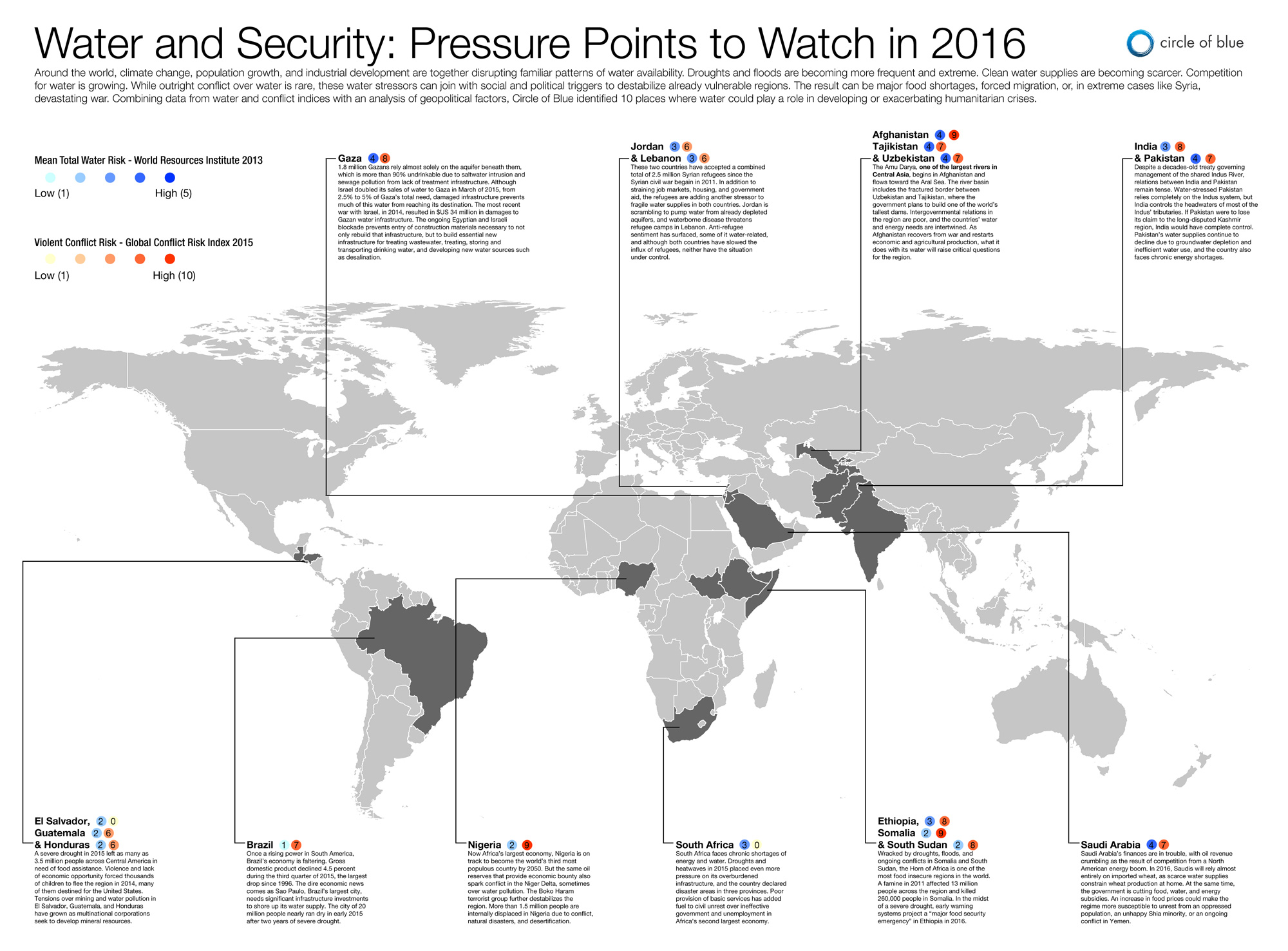
Water and Security Hotspots to Watch in 2016 [Infographic]
›The ongoing violence in Syria exhibits the potential for water problems – a historic drought, in this case – to exacerbate existing social and political problems and contribute to humanitarian crises. In a recently released infographic, Circle of Blue combined data from the European Commission Joint Research Center’s Global Conflict Risk Index and the World Resources Institute’s Aqueduct Water Risk Atlas to identify 10 hotspots around the world where water “could play a role in developing or exacerbating humanitarian crises” in 2016.
-
Islands in Paris: New Climate Deal Gives Some Recognition to Humanity’s Truth Bearers
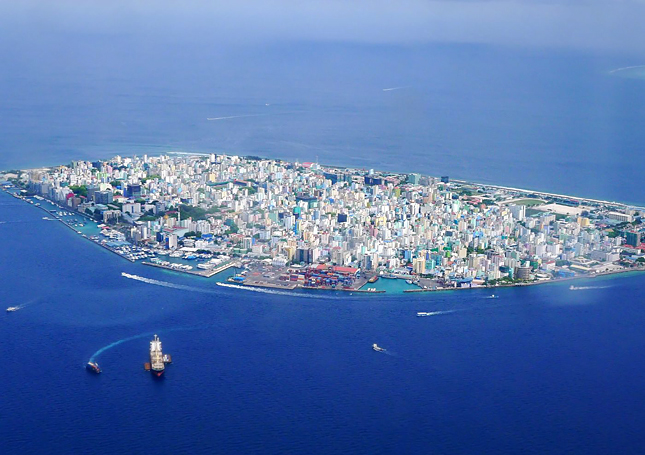
›December 16, 2015 // By Roger-Mark De SouzaThe new climate deal coming out of Paris commits governments to hold the rise in average global temperatures to “well below” two degrees Celsius compared to preindustrial levels. An important dimension of this agreement calls for subsequent work on limiting the increase to 1.5 degrees. This is an important win for islands and other low-lying countries, and for humanity.
-
Michael Kugelman, Foreign Affairs
4 Myths About Climate Change in South Asia
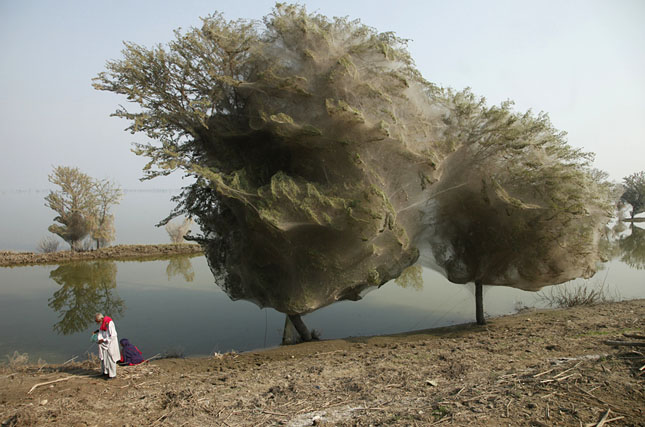
›December 9, 2015 // By Wilson Center StaffClimate change is a very real threat. It will have major implications for every country and region in the world, but South Asia is particularly vulnerable. To appropriately address the challenges there, the world will have to confront four misconceptions about climate change in South Asia. With world leaders convening in Paris to hash out a new agreement on climate change, now is the right time to do it.
-
The U.S. Asia-Pacific Rebalance, National Security, and Climate Change (Report Launch)
›In the hierarchy of global and national security challenges, climate change comes out near the top, said a panel of distinguished defense, diplomacy, and intelligence leaders at the Wilson Center on November 17. [Video Below]
Showing posts from category Pakistan.