-
Integrated Development, Focus on Empowerment Builds Resilience in Nepal
›
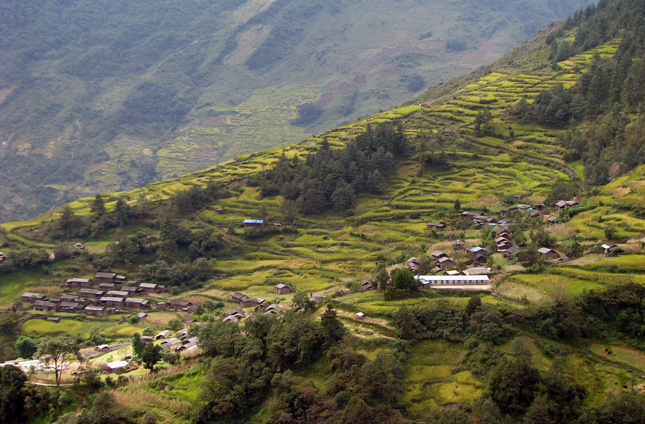
From the mountains and foothills of the Himalayas to the Terai plains, climate change is rapidly changing life in Nepal. Many communities however, are not strangers to environmental stress; for decades, rapid population growth alongside agriculture and fuelwood collection have degraded land and diminished forests. [Video Below]
-
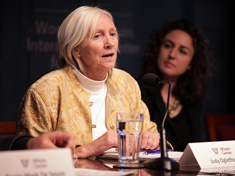
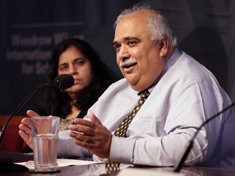
Judy Oglethorpe: Fighting Environmental Change in Nepal Through Community Empowerment
›
“We believe that ecosystems can help people to adapt,” says Judy Oglethorpe in this week’s podcast. “But at the same time, people have to help ecosystems to adapt in order to continue to provide environmental services.”
-
Broken Landscape: Confronting India’s Water-Energy Choke Point
›“We don’t know the reason for the death of fish in downstream villages,” Hamberton Nongtdu, a mine owner from the northeastern Indian state of Meghalaya, told me.
-
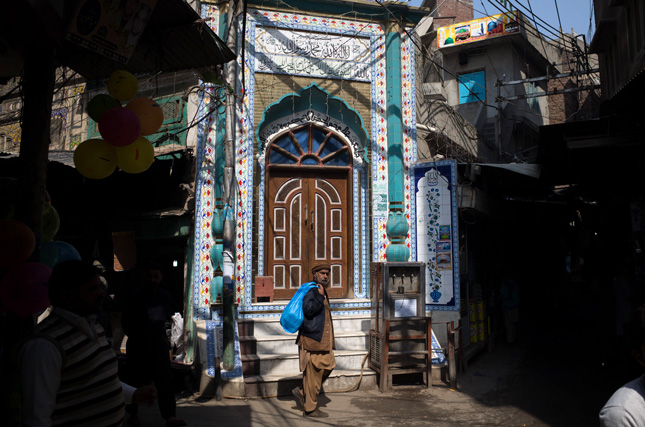
Pakistan’s Most Recent Demographic and Health Survey Reveals Slow Progress
›December 10, 2014 // By Richard CincottaA quick scan through the charts and graphs of Pakistan’s most recent Demographic and Health Survey yields more than a few insights into the performance of the government’s health policies and the public health and demographic challenges it will face in the future.
-
New Portal for Himalayan Region Aims to Provide Better Environmental Data
›“There was drought so we had to share the little water brought a long distance from irrigation canals to the field. This delay in rice planting is resulting in a late harvest,” explains Ratna Darai, 47, a farmer in Daraipadhera, Nepal, during an interview with The Third Pole reporter Ramesh Bhushal. An erratic monsoon means an uncertain harvest in a nation where agricultural production is not on pace with population growth. Water insecurity is a major driver of conflict and uncertainly in the world’s most populous continent.
-
Jill Schwartz, World Wildlife Fund
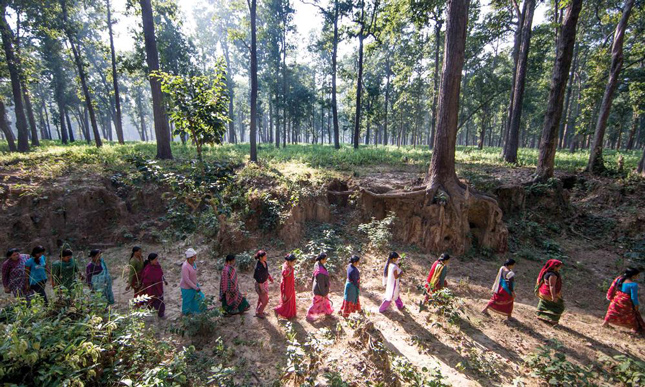
In Nepal, Community Health Workers Take on Conservation Too
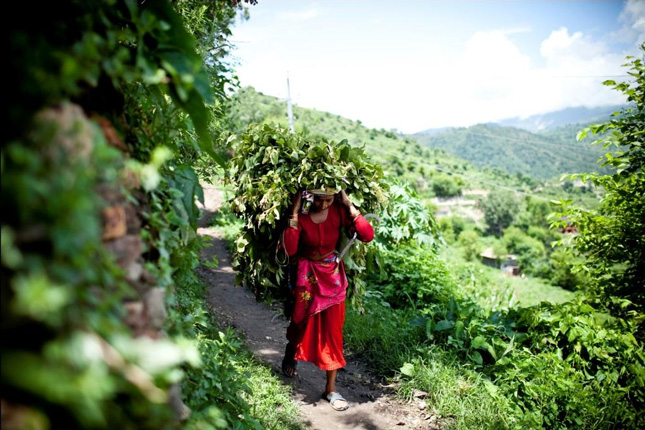
›November 12, 2014 // By Wilson Center StaffAt high noon, Devi KC is still deep in the daily chores she started at sunrise: brewing tea and cooking a meal of rice, lentils and spinach for her husband and teenage son; pumping and hauling water from the nearby well; harvesting hay from her field; and sweeping road dirt from her front porch.
-
Dr. Harshad Sanghvi: Reducing Maternal and Child Deaths Requires Better Trained, Empowered Health Workers
›
Technological solutions, like improved equipment and logistical tools, have been trumpeted as keys to finally ending preventable maternal and child deaths. “But it’s not just technology innovation that we need; it is systems innovation,” says Dr. Harshad Sanghvi in this week’s podcast.
-
High Poverty: Medicinal Plants Offer Way Forward for Nepal’s Mountain Communities
›In a tiny village called Chepuwa in the Sankhuwasabha district of Nepal, high in the Himalayas and almost four days’ trek from the nearest road, Mikmar Bhote has been growing and selling medicinal and aromatic plants for five years.
Showing posts from category Nepal.