-
Climate Change, Disasters, and Security: Unconventional Approaches to Building Stability
›
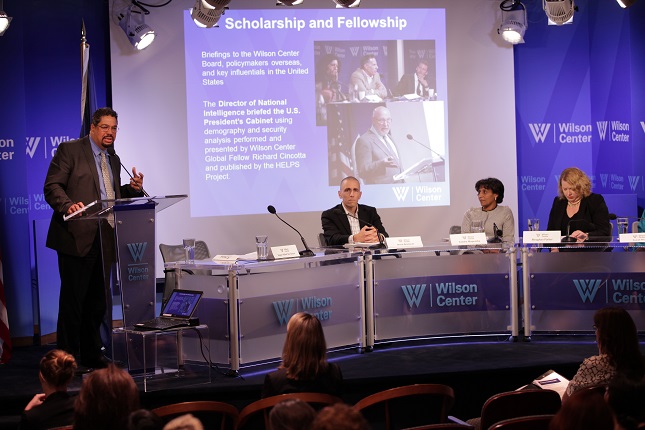
It is “not sufficient to look at history for lessons on how we should prepare for and prevent future security risks in a climate change world,” said Swathi Veeravalli, research scientist at the U.S. Army Corps of Engineers’ Geospatial Research Laboratory, at the Wilson Center on January 14. Climate change and the extreme weather events it brings pose an “unprecedented” threat to human security. [Video Below]
-
An Empty Table? Food-Climate-Conflict Connections in Paris
›
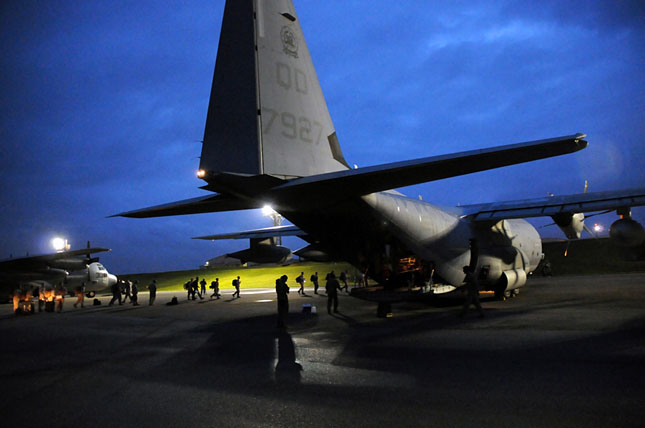
Security, terrorism, conflict, and peace: you won’t find any of these words in the landmark agreement released on December 12 at the 2015 Paris Climate Conference (COP-21). It’s never been front-and-center on the agenda at previous Conference of Parties, from Copenhagen to Cancun. But in Paris, a city reeling from terrorist attacks, the specter of climate-related conflict haunted delegates and the potential of a climate-resilient peace inspired grassroots protests.
-
Modi’s Grand Plan to Divert Himalayan Rivers Faces Obstacles
›One of Prime Minister Narendra Modi’s first priorities after winning an overwhelming victory last year on a platform of development and growth is to fast-track a decades-old plan to link India’s rivers.
-
Shelter From the Storm: State of World Population 2015 Report Launch
›The sexual and reproductive health and rights of women and girls must be protected, even – especially – during “the toughest of times, in the hardest of places,” said Kate Gilmore, deputy executive director of the United Nations Population Fund (UNFPA), at the Wilson Center on December 3. [Video Below]
-
Michael Kugelman, Foreign Affairs
4 Myths About Climate Change in South Asia
›December 9, 2015 // By Wilson Center StaffClimate change is a very real threat. It will have major implications for every country and region in the world, but South Asia is particularly vulnerable. To appropriately address the challenges there, the world will have to confront four misconceptions about climate change in South Asia. With world leaders convening in Paris to hash out a new agreement on climate change, now is the right time to do it.
-
Falling Costs, Rising Opportunities: Scaling Up Renewable Energy in the Developing World [Part Two]
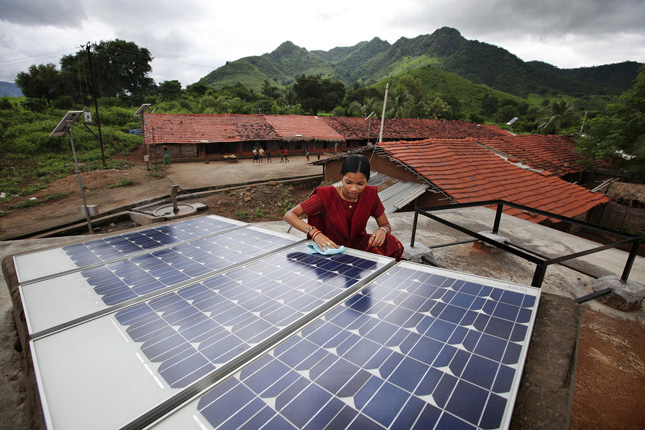
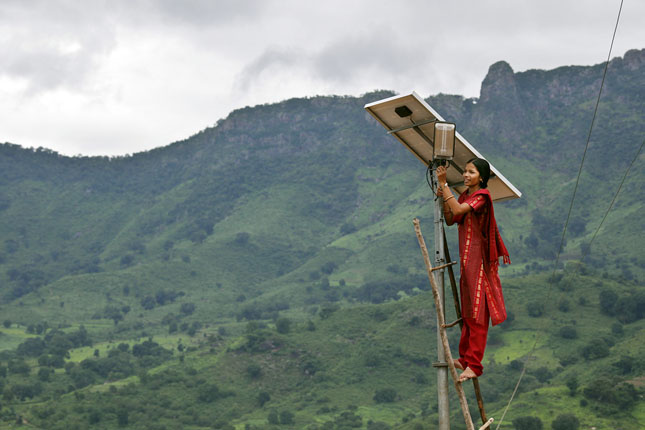
›“Clean energy has gone from being the ‘right thing to do’ in combating climate change, to being the most cost-effective option for many energy-insecure countries,” said Carrie Thompson, deputy director of the U.S. Agency for International Development’s Regional Development Mission for Asia, during a day-long conference on renewable energy at the Wilson Center on October 27 (read part one of our coverage here).
-
The Renewable Energy Era Has Already Started
›The world has entered a new energy era. Last year, for the first time in four decades, the global economy grew without an increase in CO2 emissions, according to the Renewable Energy Policy Network for the 21st Century.
-
Engaging Decision-makers on Family Planning: Some Right IDEAs
›Just a few years ago, progress on global family planning and reproductive health policy seemed to be stuck in a rut. “For 20 years, development money for health had been directed to fight HIV and poverty, and as a result, momentum, interest, and funding for family planning had dwindled,” said Susan Rich, vice president of global partnerships for the Population Reference Bureau (PRB), at the Wilson Center on July 15. “Unmet need for family planning was high all over the world, but especially in Africa.” [Video Below]
Showing posts from category Nepal.