-
Zero-Emission Energy for 1.3 Billion People? Scaling Up Renewable Energy in the Developing World [Part One]
›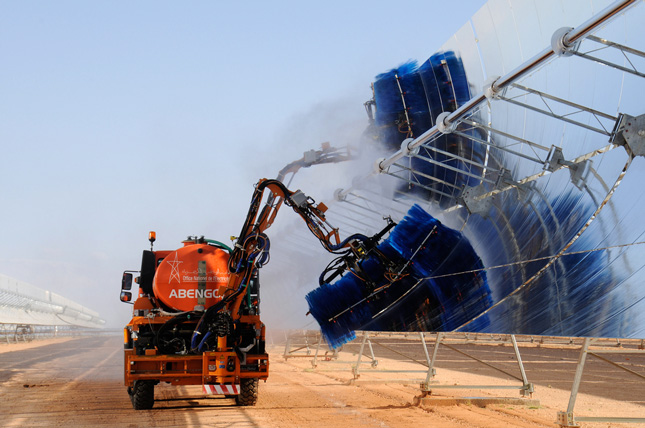
The renewable energy sector has reached a critical inflection point where costs are competitive with fossil fuels and investment is ramping up in a big way, said more than a dozen experts at a day-long conference co-hosted by ECSP and the U.S. Agency for International Development’s Office of Global Climate Change on October 27.
-
Rachel Stern, Thomson Reuters Foundation
Despite Rising Concern, Climate Change Often Put on Back Burner in Conflict Zones
›October 23, 2015 // By Wilson Center Staff
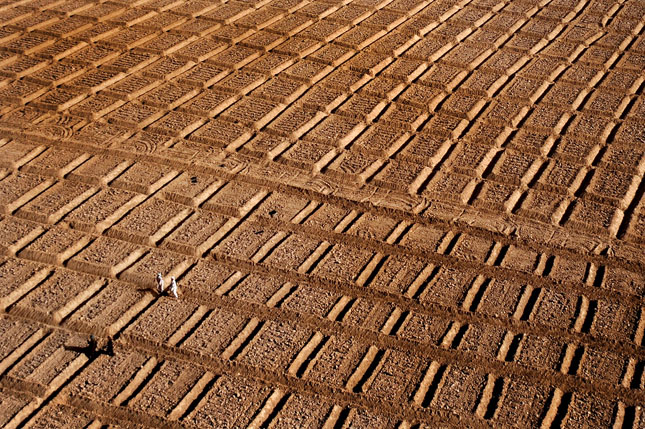
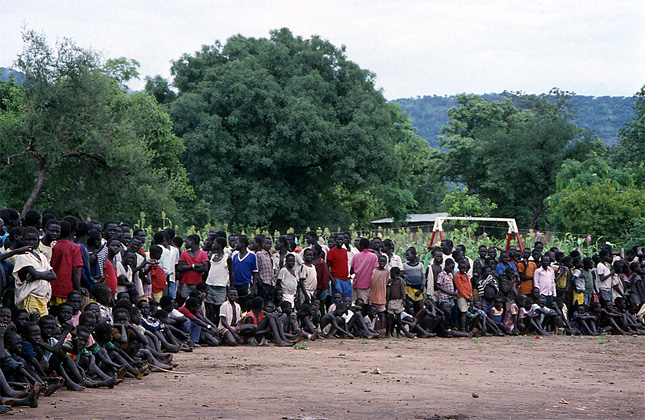
Barren barley and wheat fields stretch across the dry landscape of northern Afghanistan, the result of persistent drought and flash flooding that has left thousands of people facing food shortages and loss of work.
-
Beginning With the End in Mind: Midterm Results From an Integrated Development Project in Lake Victoria Basin
›More than 80 percent of the estimated 42 million people living in Central Africa’s Lake Victoria Basin depend on fishing or farming for survival. Given this overwhelming reliance on natural resources, the lake’s deteriorating condition – driven by climate change, agriculture, pollution, deforestation, overfishing, and industrialization – has far-reaching implications.
-
The Road Ahead for Young People and Family Planning
›Yesterday was International Youth Day, and governments, donors, and public health professionals are paying more attention to the unique needs of the world’s young people and the importance of their civic engagement and participation. Unfortunately, most young people do not have access to basic sexual and reproductive health care and information. This not only undermines their health and wellbeing, but significantly affects their abilities to stay in school and participate in their communities.
-
Heather McGray & Kathleen Mogelgaard, World Resources Institute
Not Just Mitigation: National Climate Plans Raise Adaptation’s Profile
›August 13, 2015 // By Wilson Center StaffAs the world prepares for a pivotal climate conference in Paris this December, countries are offering their national plans to tackle a changing climate. These plans, known as intended nationally determined contributions (INDCs), contain details of what each country is prepared to do as part of a new global climate agreement. While the public focus is often on mitigation – how much countries are willing to reduce emissions, by when, and with what degree of transparency – adaptation to the impacts of climate change demands the same level of attention. In fact, the last round of international climate talks in Lima invited parties to include adaptation in their INDCs.
-
A Case for Refugee Resilience: Reflection on the Lost Boys’ Story of Perseverance
›Fifteen years ago last month, I was brought to America through the U.S. Refugee Resettlement Program after having lived in refugee camps in Ethiopia and Kenya for more than a decade. As I reflect on my experience, it is my hope that it will inspire others and help inform dialogue on forced migration so that refugees are perceived not just as victims, but models of resilience.
-
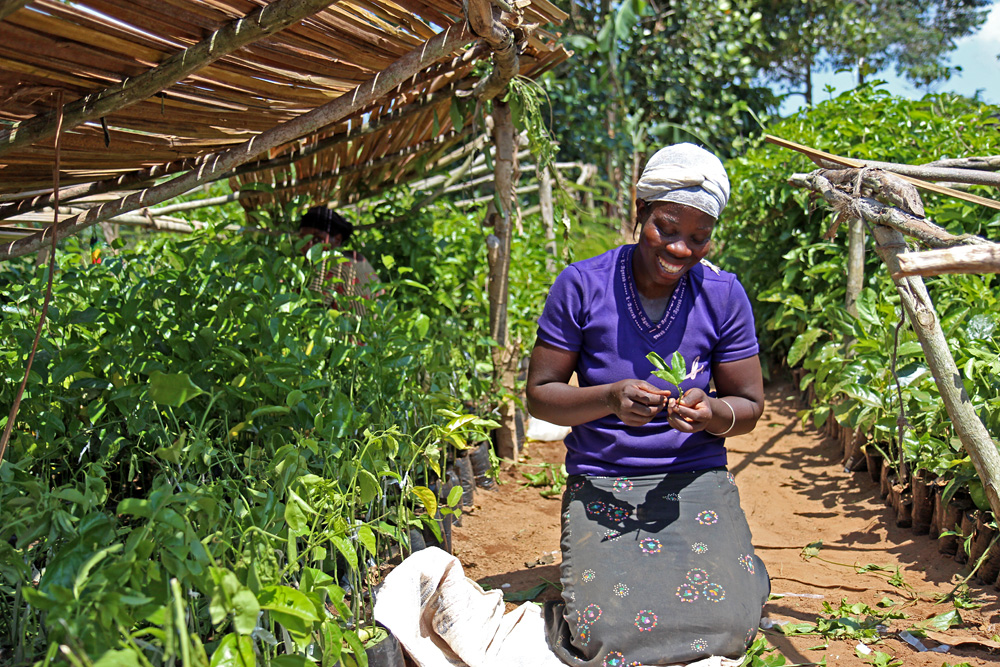
Saplings and Contraceptives: Results From a Population, Health, and Environment Project in Kenya
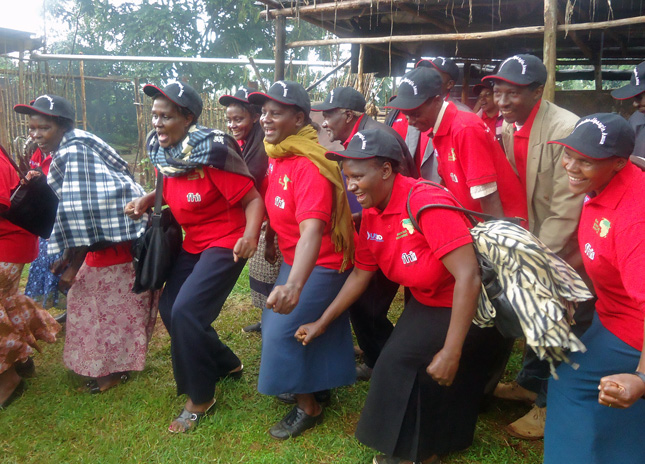
›East African countries like Kenya have made great strides in recent decades in increasing access to modern contraception, leading to marked declines in fertility rates. But disparities remain.
-
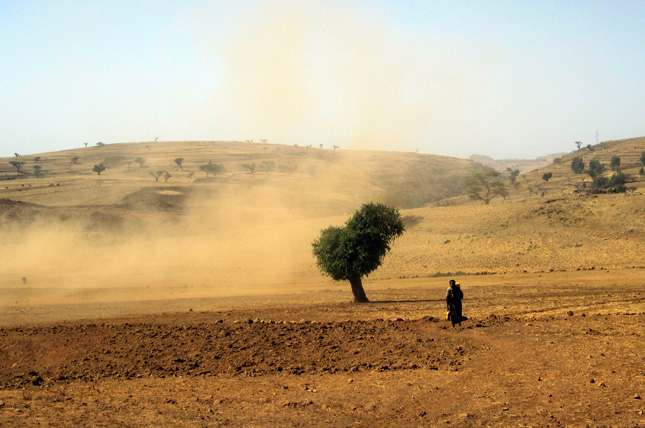
The Dark Side of Development: Displacement, Eviction in World Bank Projects and Ethiopia
›With the help of international aid, foreign land grabs in the Gambella region of Ethiopia have resulted in environmental degradation, more severe economic and social inequality, and human rights abuses, according to a new study by the Oakland Institute. We Say The Land Is Not Yours collects testimony from victims of “villagization,” a policy of forced displacement started under the military Derg dictatorship and, according to many, continued to this day under the guise of land investment.
Showing posts from category Kenya.