-
Sarah Crowe, UNICEF
Ethiopia Set to Achieve Millennium Development Goals in Child Mortality
›For a country that once made headlines for famine, poverty, and war, Ethiopia is gaining a reputation as a development leader on the African continent. In just over 10 years, the country has slashed child mortality rates by half, rising in global rank from 146 in 2000 to 68 in 2012. More money is being spent on health care, poverty levels and fertility rates are down, and twice as many children are in school.
-
Susan Moran, Ensia
Beans May Be Key to Feeding the Future
›September 11, 2013 // By Wilson Center StaffThe original version of this article, by Susan Moran, appeared on Ensia.
Lean and towering at 6 feet 5 inches, Ken Giller blends right into the rows of climbing beanstalks he is examining on this blisteringly hot spring day in Buhoro, a village in northern Rwanda. Local farmers who have been growing various varieties of beans bred for high yields and other desirable traits proudly show him their plots on the terraced hillside.
-
Prospects for Gender Parity in UN Peacekeeping Forces, Evaluating Girls’ Empowerment Efforts
›
The Population Council’s annual report highlights new work from one of the largest organizations doing research on the lives of adolescent girls in the developing world. Of particular note is the Council’s Adolescent Girls Empowerment Program, a four-year study launched in May which will involve 42,000 girls in seven countries – Bangladesh, Burkina Faso, Ethiopia, Guatemala, India, Tanzania, and Zambia. The aim is to evaluate successful strategies for helping girls avoid child marriage, sexually transmitted infections, and unintended pregnancies at a critical juncture in their lives. Council President Peter Donaldson writes that young girls are “one of the potentially most influential figures in the developing world.” A typical 12-year-old girl “in the next few years…will either abandon or continue her schooling, be pushed into marriage and childbearing, or develop a sense of proud ownership of her physical self… As her future is reconfigured, so is ours.”
-
Faster-Than-Expected Population Growth in Many “Feed the Future” Countries
›August 1, 2013 // By Kathleen Mogelgaard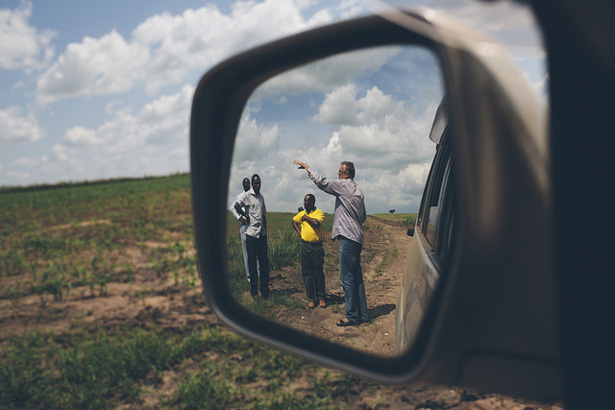
Cambodia to grow by nearly one-third by 2050; Kenya to more than double; Mali to swell to three times its current size. These were the population projections available when Feed the Future, President Obama’s global hunger and food security initiative, was beginning implementation in 19 focus countries around the globe in 2010.
-
From Ethiopia to Egypt, Girls’ Education Programs Combat Child Marriage
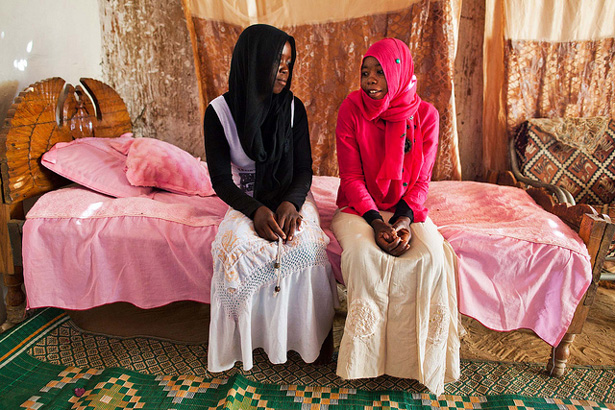
›According to the UN Population Fund, more than 140 million girls will become child brides between 2011 and 2020 – an estimated 14.2 million young girls marrying too young every year or 39,000 daily. The majority of these girls do not receive access to education or reproductive health services. [Video Below]
-
Reproductive Health Organizations Embrace Cross-Sectoral Partnerships in Africa
›“The places in the world where the environment is most fragile, women’s health is most fragile,” said Leila Darabi, director of global communications for the Planned Parenthood Federation of America, at the Wilson Center. “The negative impacts on the environment tend to affect women the most. Women are the people who are planting kitchen gardens, women are traditional healers, and so they often feel the impact first when those things are degraded.”
-
Woman-Centered Maternity Care, Family Planning, and HIV: Principles for Rights-Based Integration
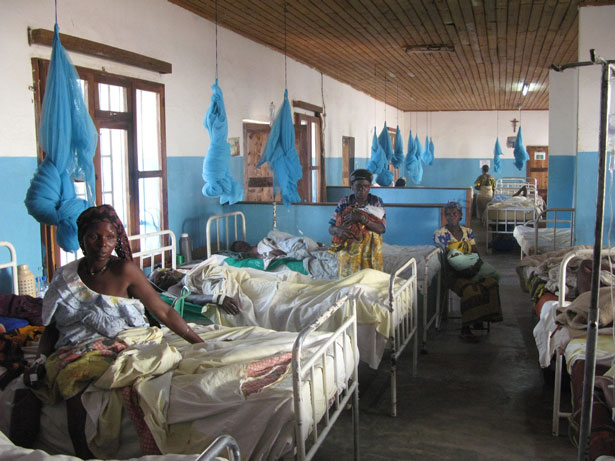
›Despite increases in the availability of maternal health care across Nigeria, maternal mortality rates remain high, averaging 630 per 100,000 live births in 2010, compared to the world average of 210. “This is data we are not proud of,” said Philippa Momah, board director of Nigeria’s White Ribbon Alliance, at the Wilson Center. “We believe that one of the issues is the way health care providers treat our women. This may be causing a 20 percent drop-out rate in the health care system.” [Video Below]
-
Harry Verhoeven, ChinaDialogue
China Shifting Balance of Power in Nile River Basin
›The original version of this article, by Harry Verhoeven, appeared on ChinaDialogue.
The growing intensification of economic, political and social ties between China and Africa in the last 15 years is often told as a story of copper, petrodollars, emerging Chinatowns, and bilateral visits by heads of state.
Showing posts from category Ethiopia.