-
Matthew Berger, The Interdependent
A Global Thirst for Water Security
›May 10, 2013 // By Wilson Center Staff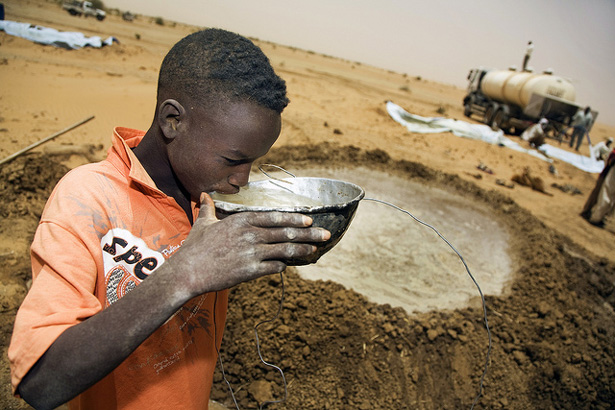
The original version of this article, by Matthew Berger, appeared on The Interdependent.
Last summer, after walking for days to a refugee camp across the South Sudan border, some Sudanese refugees reportedly chose to dig holes to reach muddy water rather than face the fist-fights breaking out around a failing tap. Boreholes dug by aid agencies collapsed in the crumbling soil. Even the coming rainy season brought more challenges than relief, washing out roads used by water tanker trucks and threatening the camp with flooding.
-
Lessons From Kenya and Malawi on Combining Climate Change, Development, and Population Policy
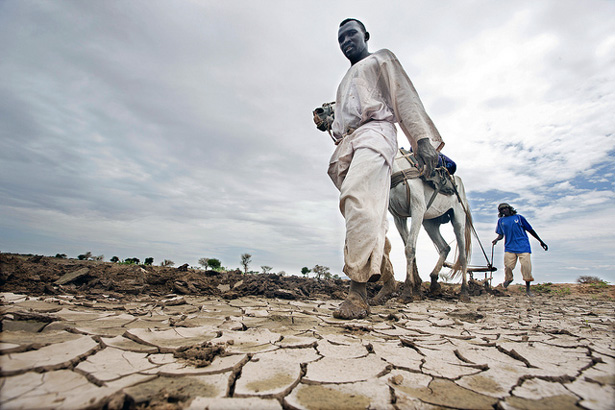
›“The combined effects of rapid population growth and climate change are increasing food insecurity, environmental degradation, and poverty levels in Malawi and Kenya,” said Clive Mutunga, a senior research associate at Population Action International (PAI).
-
Can Coffee Make Yunnan a Model for Chinese Agricultural Reform?
›
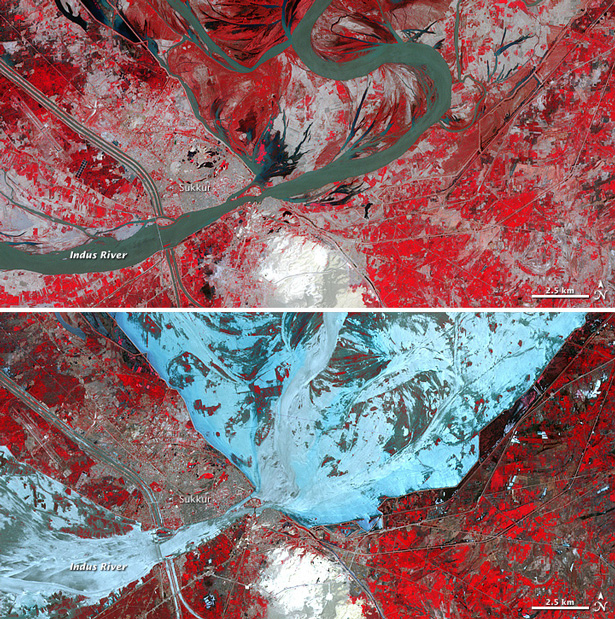
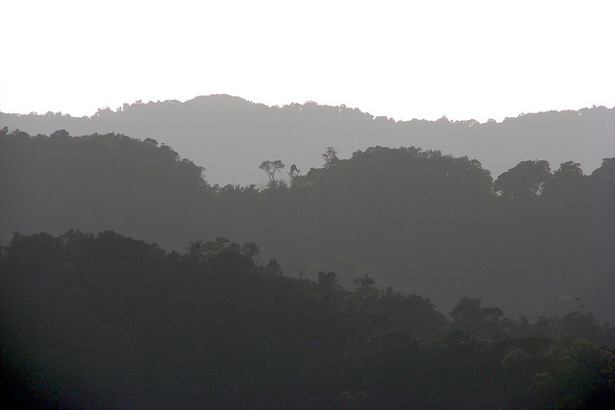
Yunnan province is a microcosm of the intertwined natural resource challenges facing China. Dams, development, deforestation, drought, and climate change threaten China’s most biodiverse province – all while it increases its exports of agricultural products and electricity to China’s coastal provinces. These competing demands bring into question the sustainability of China’s development paradigm and the country’s environmental security.
-
New Partnerships for Climate Change Adaptation and Peacebuilding in Africa
›“There is a huge gap between climate science, policymakers, and the end-users, in terms of understanding climate change and adaptation, and how that relates to conflict or peace,” concluded 26 experts from more than 10 countries across sub-Saharan Africa at the Wilson Center last fall. But “climate change adaptation is crucial to achieving Africa’s aspirations for peace, security, and sustainable development.”
-
Making ‘Healthy People, Healthy Environment’: A Look Inside Integrated Development
›“We need dynamic approaches. We can’t just keep going with the single sector approach and hoping that a conservation project will do really more than it’s intended to do,” said ECSP’s Multimedia Editor Sean Peoples in an interview with Dialogue at the Wilson Center. “These people are living integrated lives. How can we have integrated solutions for them?”
-
World Water Day Focuses on Cooperation in the Face of Growing Stress
›March 22, 2013 // By Schuyler NullCooperation, not conflict; that’s the theme of this year’s World Water Day. Collaboration over water has been the rule rather than the exception over the past 70 years, UNESCO explained in the launch of their International Year for Water Cooperation initiative earlier this year (which the rest of the UN is thoughtfully supporting).
But the fact that there’s need for such an initiative shows that water conflict and other water issues are not far from the minds of global policymakers. Scarcity, drought, climate change, food security, disease – water impacts people and their governments in so many ways. Here’s a rundown of some of our best related posts.
-
Africa Can Help Feed Africa: Removing Regional Barriers to Trade in Food Staples
›We need to understand why barriers to trade exist in order to alleviate the food insecurity that confronts Africa, said Makhtar Diop, World Bank vice president for Africa, at the Wilson Center in January.
The World Bank released a new report in October 2012 that is part of a series that concentrates on intraregional trade. Africa Can Help Feed Africa: Removing Regional Barriers to Trade in Food Staples, however, is unique, Diop said, because it “moves the focus from general barriers to trade in Africa to focus on food,” so that policymakers can move away from crisis response and address food insecurity at a base level. [Video Below]
-
In Uganda, Integrating Population, Health, and Environment to Meet Development Goals
›Fifty years after independence, Uganda has one of the highest population growth rates in the world at 3.3 percent – a rate which puts the country on track to nearly double in population over the next two decades. More than 50 percent of the population is under the age of 18. This large youth cohort will ensure that the country continues to grow for decades to come, even if couples choose – and are able – to have smaller families. And according to the State of Uganda Population Report 2011, “with more than one million people added to the population every year, the quality of [health] service delivery will suffer.”
Showing posts from category agriculture.