-
The Land Matrix Visualizes Ebbs and Flows of Global “Land Grabs”
›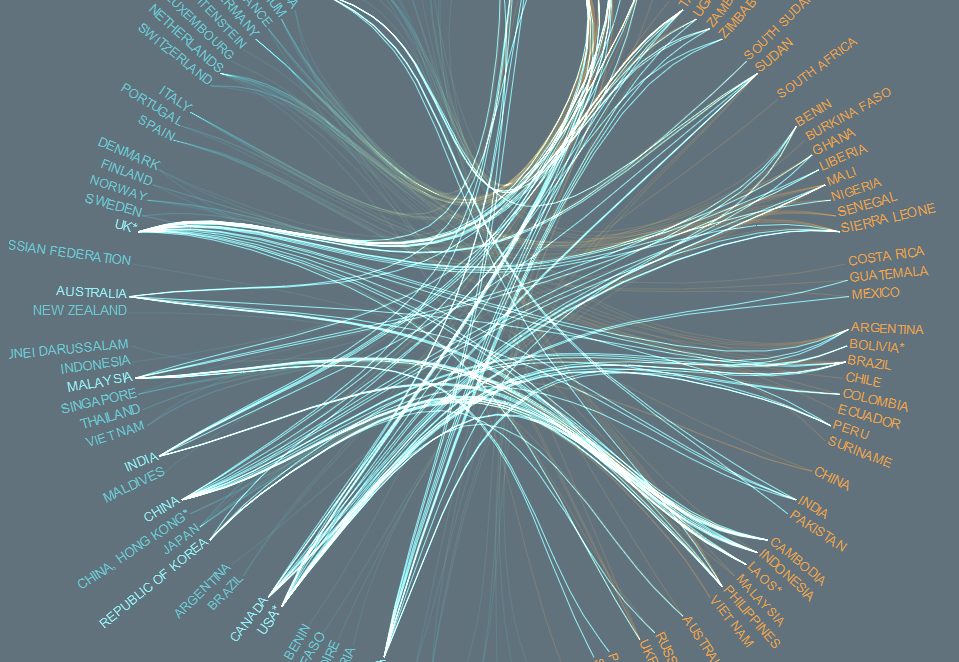
Over the past few years, large-scale acquisition of land by foreign or domestic firms, be they public or private, have been making headlines. But although these “land grabs” have received a great deal of attention, their details remain largely unknown. Which countries are the primary investors? Which are the main targets? What is the land used for?
-
CCAPS Looks to Map Climate-Related Aid in Africa
›
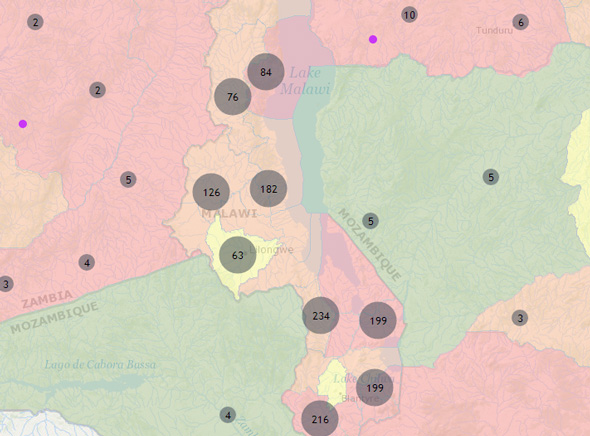
Adapting to the effects of climate change is increasingly becoming an important component of many international development efforts. But how that integration occurs and what it looks like is an open question. To help answer that, the Climate Change and African Political Stability Program (CCAPS) at the University of Texas at Austin recently released a new database that for the first time tracks all the climate-related aid in one country – Malawi.
-
Ravao’s Story: A Health and Environment Champion From Madagascar’s Mikea Forest
›The original version of this article, by Vik Mohan, appeared on Blue Ventures’ blog.
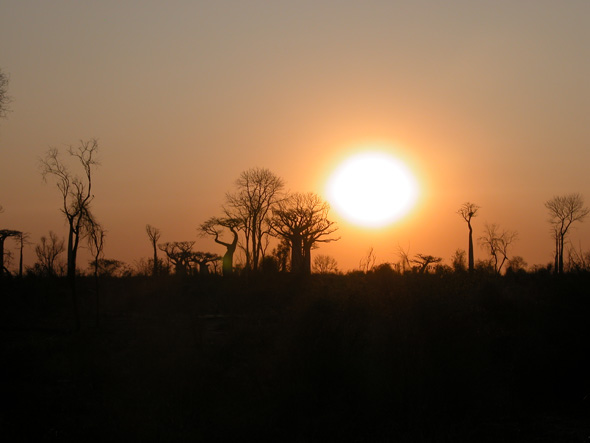
I recently spent a hectic and intense couple of weeks in the village of Andavadoaka, where Blue Ventures’ community health project is based, during my annual visit to Madagascar. Although I founded our Safidy (meaning “choice”) health program several years ago, each return visit brings new and inspiring stories and lessons from our team on the ground.
-
Edna Wangui on East Africa’s Changing Pastoralists
›November 20, 2012 // By Carolyn LamereThe fault line between nomadic pastoralists and sedentary agriculturalists in sub-Saharan Africa has emerged as one of the most dominant stories of climate-related conflict. But according to Edna Wangui, a professor at Ohio University who studies communities in Kenya and Tanzania, pastoralism is different from many people’s perceptions.
-
Can Family Planning Save Millions From Malnutrition in a Warming World?
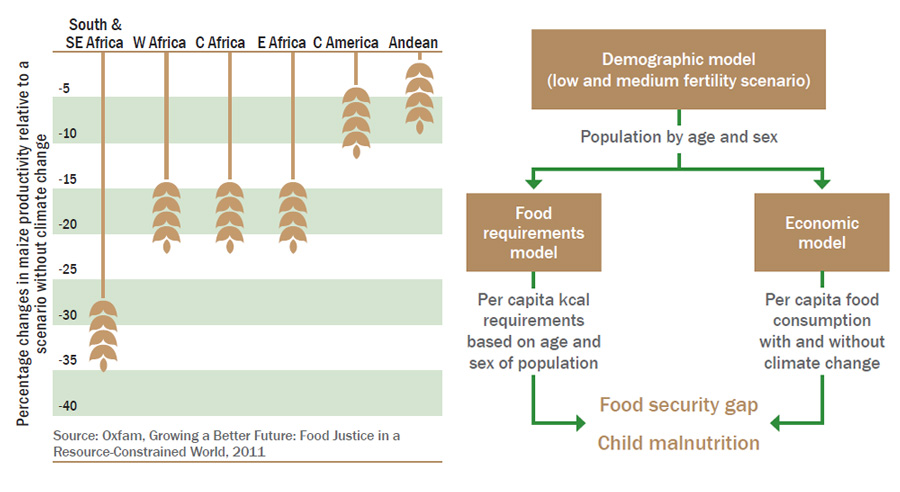
›As the effects of climate change become increasingly apparent, existing poverty and human security challenges are being compounded. Among them, food security is one of the most pressing, especially in the developing world.
Based on a model developed by researchers at Futures Group, a pilot project in Ethiopia reveals that a lower fertility track for some countries could help compensate for the negative effects of climate change on agricultural yields. The study, conducted by MEASURE Evaluation and funded by USAID and The David and Lucile Packard Foundation, suggests incorporating family planning into existing climate change adaptation strategies.
-
Linking Academia With Policy: Youth and Land Markets in Urban Development
›“It’s always important when working in policy to consider what we can do beyond conception and look at more implementation,” said Valerie Stahl of New York University at the Wilson Center last month.
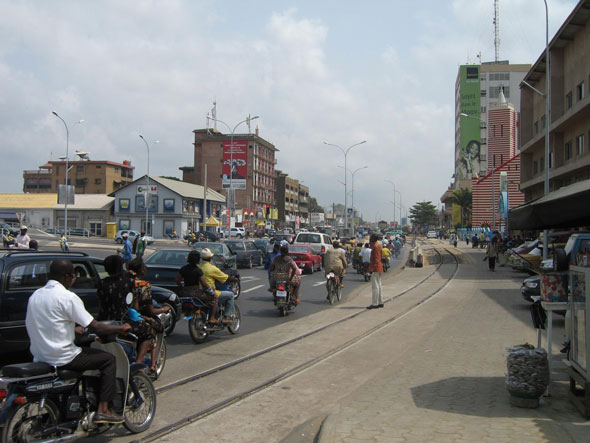
Stahl was one of three graduate students presenting their winning papers for an annual academic paper competition, “Reducing Urban Poverty,” co-sponsored by the Wilson Center, USAID, International Housing Coalition, Cities Alliance, and the World Bank. This year’s competition was the third in an effort to better link new academic work on urban issues to actual policymaking. [Video Below]
-
Climate and Conflict in East Africa, and UNEP’s Plan to Avoid Future Famines
›While climate change will undoubtedly have an impact on societies throughout the world, researchers are still debating whether or not it will cause conflict. John O’Loughlin, Frank D.W. Witmer, Andrew M. Linke, Arlene Laing, Andrew Gettelman, and Jimy Dudhia use a quantitative approach to tackle some of “sweeping generalizations” that have come to characterize this debate in a new study, “Climate Variability and Conflict Risk in East Africa, 1990-2009,” published last month in PNAS. They found that while there is “no statistically significant relationship” between precipitation and conflict, increased heat is correlated with more conflict in East Africa. Still, they also found that other factors, like population size and the space-time lag for violence, predict conflict more reliably than either of the climate-related elements. -
Three Critical Maternal Health Medicines That Could Save Women’s Lives
›“We know maternal health medicines are safe, we know they’re effective, we know they’re essential to keeping women healthy throughout pregnancy and childbirth,” said Kristy Kade at the Wilson Center on October 23. But lack of supply, poor quality, and misuse means they do not always help the women who need them. [Video Below]
Showing posts from category Africa.