

-
Mike Eckhart: “We Are 40 Years Into a 100-Year Energy Transition”
› “In my view, we are 40 years into a 100-year transition to a clean energy economy,” says Mike Eckhart, global head of environmental finance and sustainability at Citigroup, in this week’s podcast. “We’re in the mainstream of building an industry.”
 -
Prized Natural Resources Are Rarely Addressed in Peace Agreements
›February 10, 2016 // By Haodan "Heather" Chen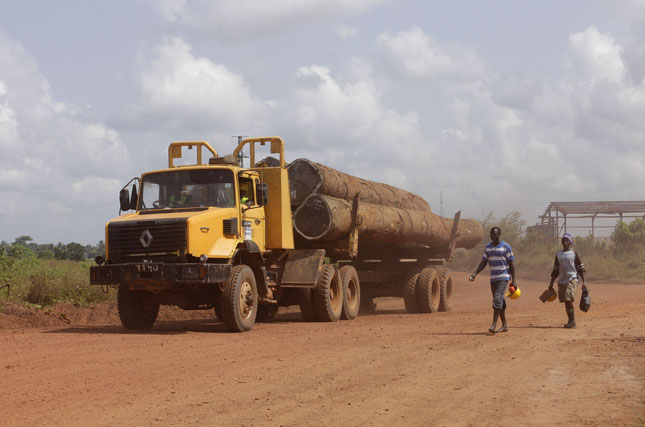
Despite evidence that natural resources play a major role in many conflicts – 40 percent of all civil wars since the end of the Cold War, according to an estimate by the UN Environment Program – a study conducted by Arthur G. Blundell and Emily E. Harwell for the NGO Forest Trends reveals that most ceasefire and peace agreements do not address natural resources.
-
Climate Change, Disasters, and Security: Unconventional Approaches to Building Stability
›It is “not sufficient to look at history for lessons on how we should prepare for and prevent future security risks in a climate change world,” said Swathi Veeravalli, research scientist at the U.S. Army Corps of Engineers’ Geospatial Research Laboratory, at the Wilson Center on January 14. Climate change and the extreme weather events it brings pose an “unprecedented” threat to human security. [Video Below]
-
Jagdish Upadhyay: Don’t Wait for the Demographic Dividend, Seize It
›“The demographic dividend is about inclusive growth, not just economic growth,” says Jagdish Upadhyay, chief of commodity security at the United Nations Population Fund (UNFPA), in this week’s podcast. “If it’s not inclusive, achieving the demographic dividend will be difficult.” -
Adapting to Climate Change in Cities May Require a Major Rethink
›Around the world, urbanization and climate change are transforming societies and environments, and the stakes could not be higher for the poor and marginalized. The 2015 UN climate conference in Paris (COP-21) highlighted the need for coordinated action to address the profound injustice of the world’s most disadvantaged people bearing the greatest costs of climate impacts. Among those at the COP were mayors from around the world advocating for the important role of cities in these efforts.
-
Keith Schneider, Circle of Blue
Drought Pushes South Africa to Water, Energy, Food Reckoning
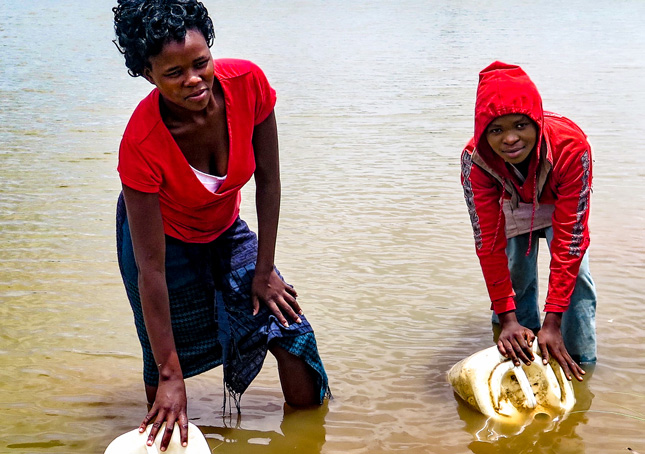
›January 7, 2016 could hardly have been worse in this thunderously beautiful, water-parched, and economically reeling nation of 55 million residents at the bottom of Africa.
-
The U.S. Intelligence Community’s Assessment on Food Security, Famine and Migration in the Sahel
›This fall, the National Intelligence Council released an intelligence community assessment of the extent to which factors such as climate change, severe weather, conflict, resource scarcity, disease, poor governance, and environmental degradation will impact peoples’ purchasing power and food availability over the next decade. They found “the overall risk of food insecurity in many countries of strategic importance to the United States will increase.” -
Nyaradzayi Gumbonzvanda on Elevating Young Female Leaders By Giving Them Space
›“The demographic data is telling us that the future is very young and the future is very female,” says Nyaradzayi Gumbonzvanda, a lawyer and general secretary of the World Young Women’s Christian Association (World YWCA), in this week’s podcast. “And therefore, we actually have an imperative to respond.”
Showing posts from category Africa.
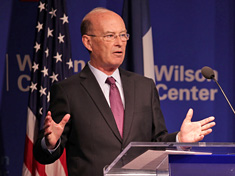 “In my view, we are 40 years into a 100-year transition to a clean energy economy,” says Mike Eckhart, global head of environmental finance and sustainability at Citigroup, in this week’s podcast. “We’re in the mainstream of building an industry.”
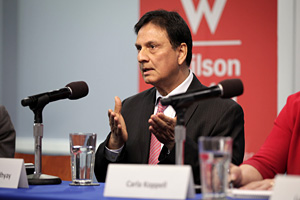 “The demographic dividend is about inclusive growth, not just economic growth,” says Jagdish Upadhyay, chief of commodity security at the United Nations Population Fund (UNFPA), in this week’s podcast. “If it’s not inclusive, achieving the demographic dividend will be difficult.”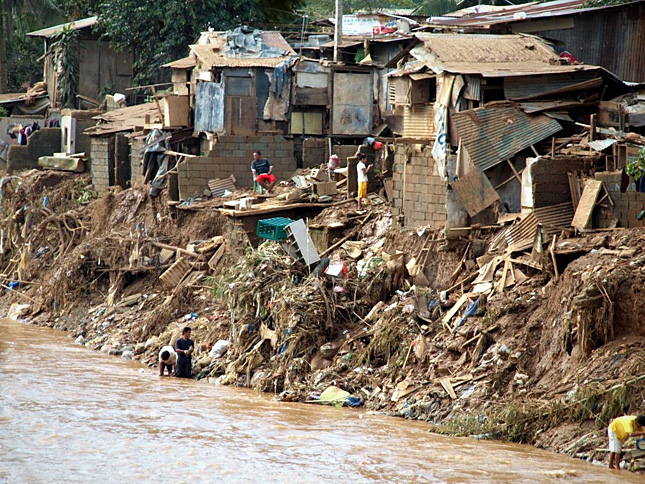
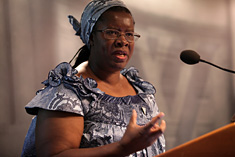 “The demographic data is telling us that the future is very young and the future is very female,” says Nyaradzayi Gumbonzvanda, a lawyer and general secretary of the

