-
At the Eye of the Storm: Women and Climate Change
›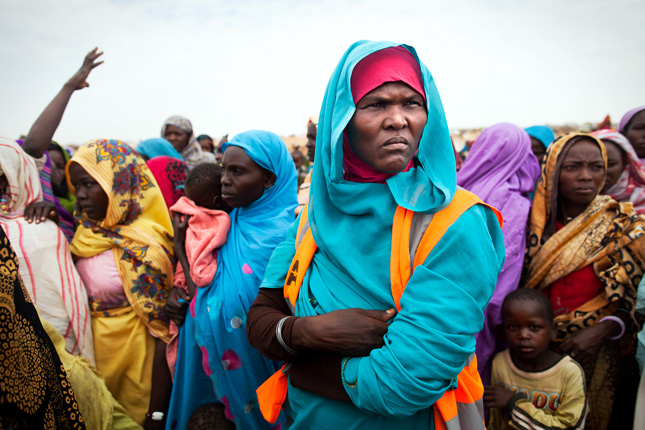
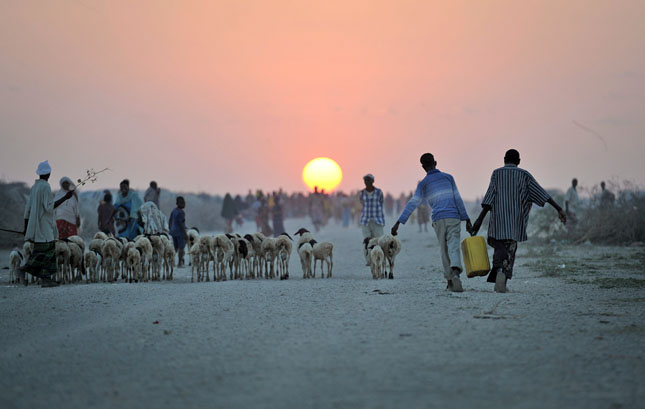
Struggling to save their failing crops. Walking farther afield to fetch clean water. Protecting their families from devastating storms and violent conflicts. “Women are usually the support systems for our family…we are the last to leave in the event of a catastrophe, which is why women and families are disproportionately hurt by climate catastrophes,” said Wilson Center President, Director, and CEO Jane Harman on June 23 during a conference on women and climate change. [Video Below]
-
How Infrastructure Helps Determine the Risk of Violence Following Drought
›
One fear of climate change is that more variable weather conditions will lead to violence and chaos in some places. But looking at it methodically, do erratic weather conditions actually lead to violent conflict and political instability? Not necessarily.
-
New Approach to Sanitation May Help Fast-Growing Urban Areas Achieve SDGs
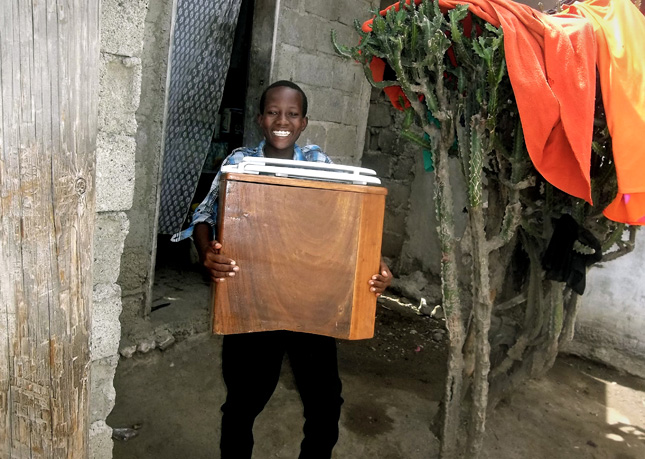
›In the late 1990s, world leaders came together to create the Millennium Development Goals – time-bound, quantified targets for addressing extreme poverty and human health and well-being. Notable among them was to “halve, by 2015, the proportion of the population without sustainable access to water and sanitation.”
-
Inside a Data-Driven Attempt to Fight Spoilage in U.S. Food Aid
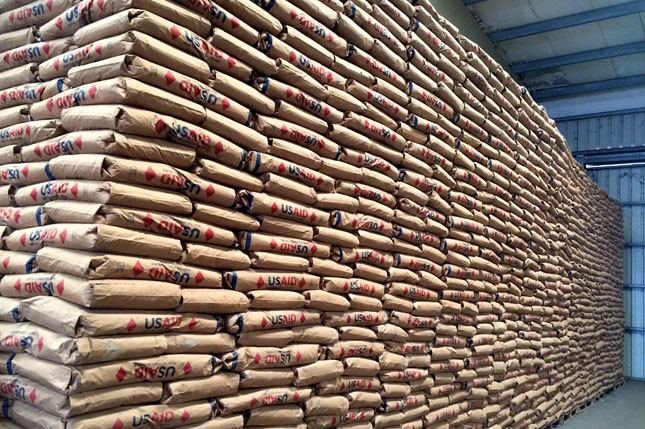
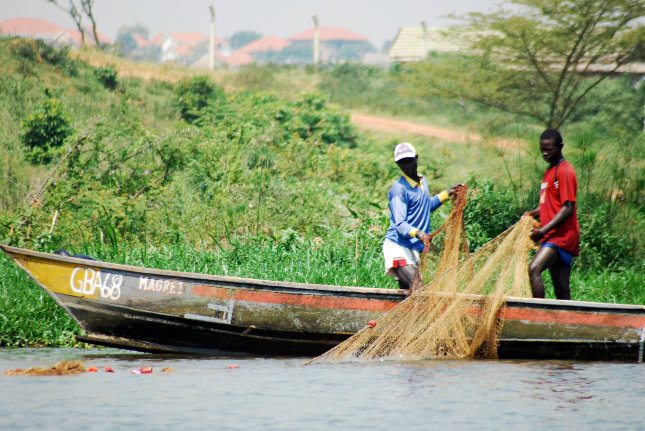
›Today, as El Niño-related droughts impact communities across East and Southern Africa, food aid shipment and distribution networks have shifted into high gear. From the U.S. Agency for International Development to the United Nations World Food Program and NGOs like CARE and Save the Children, food aid providers are stocking port warehouses in Djibouti and South Africa, as well as inland warehouses in countries like Ethiopia, Zimbabwe, and Lesotho.
-
Oil, Greed, and Grievances in the Middle East and North Africa
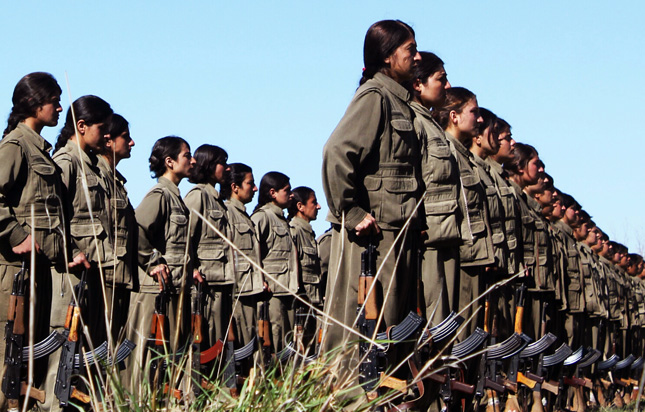
›Between 1961 and the U.S. invasion of Iraq in 2003, Iraqi Kurdistan’s quest for independence has led to the violent death of an estimated 180,000 people. At least 12 independent political groups represent the Kurdish minority in the north of the country. These groups have pursued wildly different strategies to reach their goals, some orchestrating terrorist attacks or larger-scale violence, others choosing education and propaganda campaigns, the provision of social services to gain popular support, and demonstrations.
-
HoPE for Sustainable Development: Results From an Integrated Approach in East Africa
›The Sustainable Development Goals (SDGs) are an ambitious framework for reducing poverty and improving the lives of billions of people. They were agreed to last year by governments at the United Nations and cover developing and developed countries alike. But how will governments, NGOs, and other organizations go about actually accomplishing them over the next 15 years? [Video Below]
-
Conflict in Food Producing and Consuming Communities, and How to Help Women in the DRC
›A working paper by Eoin Mcguire (Brown University) and Marshall Burke (Stanford University) examines the impact of food price increases on conflict in Africa. Under the hypothesis that negative income shocks contribute to the outbreak of conflict, the authors compare the effect of significant increases in food prices in communities that predominantly produce food to the effect in those that predominantly consume food. In food producing areas, conflict driven by food surplus allocations increased but conflict driven by territorial factors decreased. -
Climate Policy vs. Climate Ethics? A Debate on Justice and Our Global Future
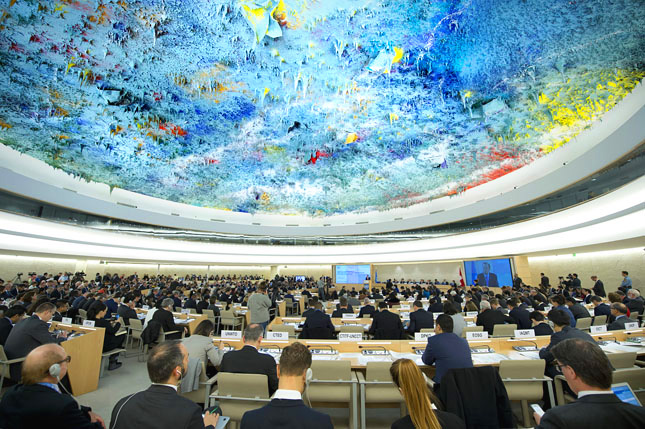
›As the international community looks to the Paris climate agreement and beyond, a key question emerges: Will strong ethical arguments or pragmatic national interest lead to a safe and sustainable future? Can these two perspectives coexist? [Video Below]
Showing posts from category Africa.