-
AidData’s Myth-Busting China Report
›
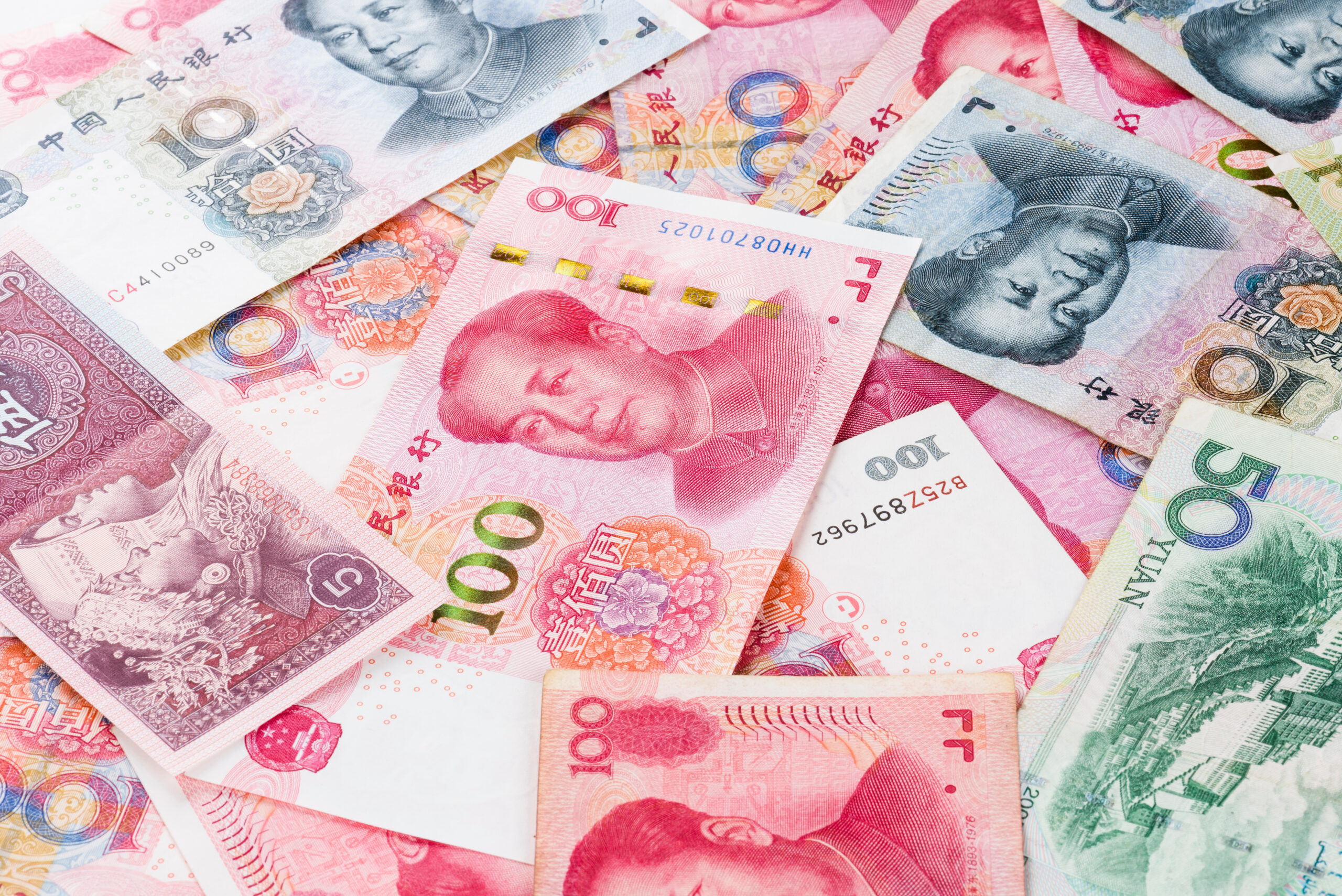
China’s expanding global loan portfolio gives Beijing extraordinary economic and strategic leverage as it competes with the United States on technology, global supply chains, and critical rare minerals. Accurately determining its overseas investments (grants, loans, other financial instruments) however has long been a guessing game. Such Chinese data can’t be easily found in traditional international reporting systems like the Organisation for Economic Co-operation and Development (OECD) and the International Aid Transparency Initiative (IATI). Chinese data can vary by source, much of which is hard to decipher as investments are displayed in the aggregate rather than by individual projects. Gaps in data and Chinese-language only publications present other obstacles to transparency.
-
In the Blindspot: Security and Chinese EV Exports to the Global South
›
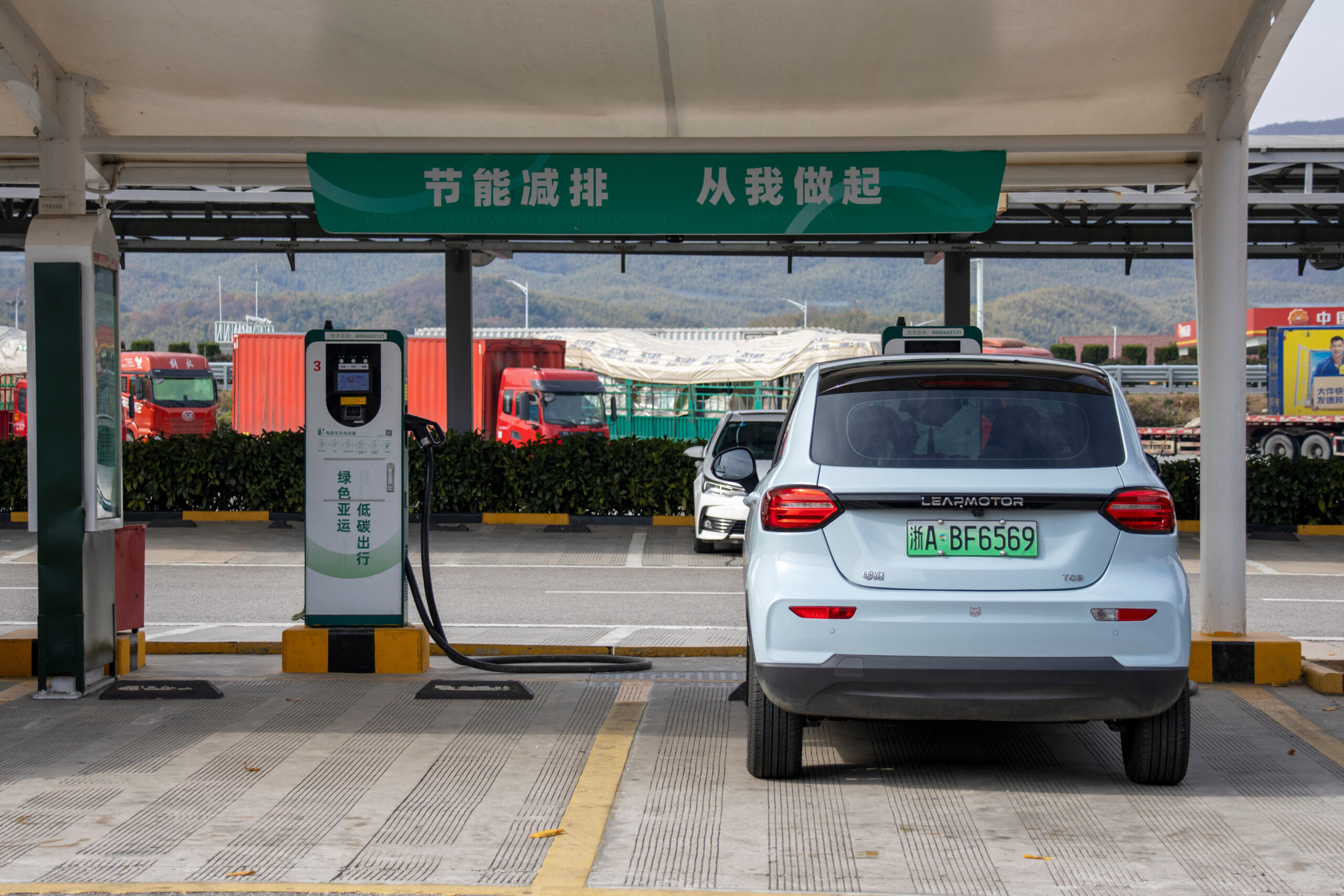
The most persuasive argument for global EV adoption is the positive impact that these vehicles have for the environment. A scientific consensus has emerged around the benefits of electric vehicles and their zero tailpipe emissions, ranging from local air quality improvement to increased energy efficiency.
-
Plotting the Future of U.S. Foreign Aid
›When Secretary of State Marco Rubio formally declared the “era” of USAID over on March 28, 2025, it represented an extraordinary sea change for US foreign aid deployed over the past six decades.
Yet the world has changed dramatically since the U.S. Agency for International Development (USAID) was established by the Foreign Assistance Act of 1961 in the middle of the Cold War. So, there is every reason to thoughtfully consider what foreign aid should look like today as we navigate an era of Great Power Competition (GPC).
-
When Going in Circles is a Virtue: “The Circular Economy”
›As an economic model that emphasizes the continual use of resources by rethinking waste and product design and promoting a shared economy mindset, the “circular economy” (CE) now resonates across a wide range of stakeholders—including key players in the private sector, major environmental groups, individual countries, multilaterals, and donors. Yet progress in adopting CE among developing nations has been slow and uneven.
-
Deep Seabed Mining: Will It Rise to The Surface—and Where?
›Norway recently announced that electric vehicles (EV) now outnumber gas-powered ones on its highways for the first time—and that these vehicles comprise 80 percent of its current new car sales. While internal combustion engines (ICE) will not disappear for several years, Norway’s sales of ICE-powered vehicles will end abruptly in 2025.
-
Signs and Signals: Exploring How a Novel Foresight Approach Gains Prominence
›A number of highly respected research entities in the US and abroad—including the US National Intelligence Council and the European Union—produce hefty global trends reports. These valuable in-depth guides inform new policies (such as USAID’s just-released Democracy, Development and Human Rights Policy)—or refresh older ones. They focus on the risks, uncertainties, and opportunities that lie ahead for the international development community, and they can provide an empirical basis to shape ongoing and future aid programming.
-
International Donors and AID Beneficiaries Face Elevated Cybersecurity Threats
›The promise of global connectivity to enhance developing countries’ well-being is a reality as more citizens go online and international donors and their partners improve their digital service delivery. This surge can spur economic growth, advance freedom, boost transparency, increase accountability, strengthen civil society, and empower women.
-
Make Room for Development Diplomats!
›Tracking signs and signals is one of the hallmarks of foresight professionals. They are always on the prowl for novel products and technologies that promise to change the world. Sustainable aviation fuel made from biomass or non-biological sources like CO2 is one innovation on their radar. The increasingly popular generative AI technology is another, especially since its proponents claim it will revolutionize early disease detection, unleash new forms of creative arts, transform engineering, and reshape architecture.
Showing posts by Steven Gale.