-
Midwives Lead the Way: The 5th Global Midwifery Symposium
›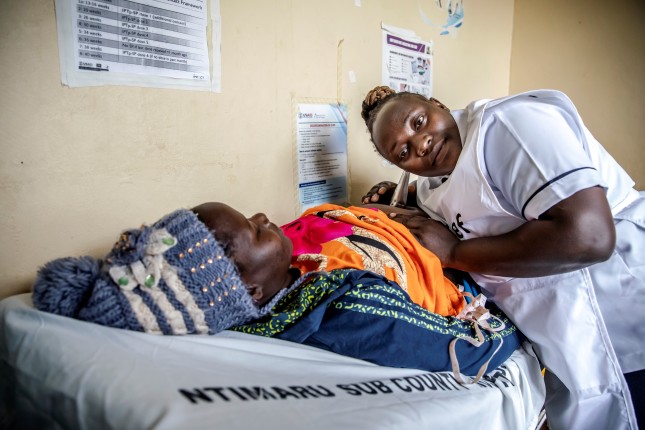
Midwives play a central role in maternal and newborn health. So, it is fitting that their efforts took the spotlight at a two-day event – The 5th Global Midwifery Symposium – held during the first ever International Maternal and Newborn Health Conference (IMNHC) in May 2023 in Cape Town, South Africa.
-
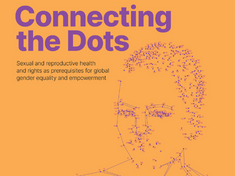
Connecting the Dots: Gender Equality and Sexual and Reproductive Health and Rights
›
In today’s episode of New Security Broadcast, Sarah Barnes, Project Director for the Wilson Center’s Maternal Health Initiative met with Bridget Kelly, Director of Research for Sexual and Reproductive Health and Rights at Population Institute to discuss the launch of Population Institute’s new report: Connecting the Dots, Sexual and Reproductive Health and Rights as Prerequisites for Global Gender Equality and Empowerment. On the episode Kelly, lead author of the Connecting the Dots report, shares findings from the report on the importance of the Sexual and Reproductive Health and Rights (SRHR) agenda, how SRHR leads to gender equality, the power of and need for increased U.S. investment, and policy recommendations to fully realize the SRHR agenda and improve gender equality and empowerment.
-
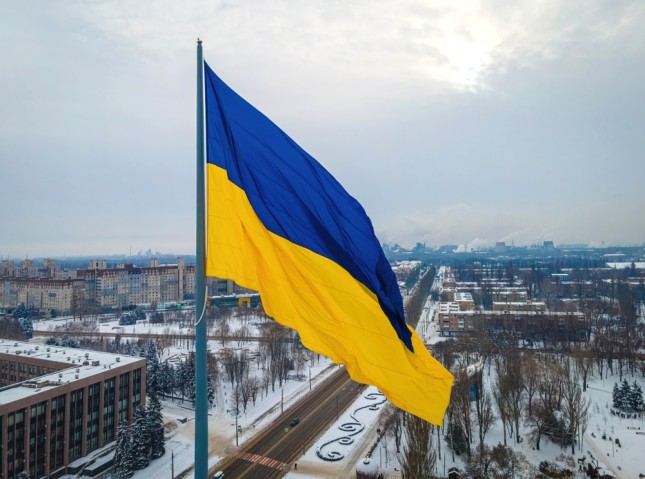
One Year Later: An Interview with Ukrainian Member of Parliament, Kira Rudik
›Nearly a year ago, after Russia’s invasion of Ukraine, the Wilson Center’s Sarah B. Barnes spoke with Member of Parliament Kira Rudik about the impact of the war on Ukraine’s women and children. Barnes and Rudik spoke again a few days ago, as the first anniversary of the conflict approached. Their conversation touched on the current state of the war, including impacts on infrastructure, the ongoing refugee crisis, schooling for Ukraine’s children, and retaining Ukraine’s heritage.
-
Lancet Series Launch: Breastfeeding and the Fight Against Formula Marketing
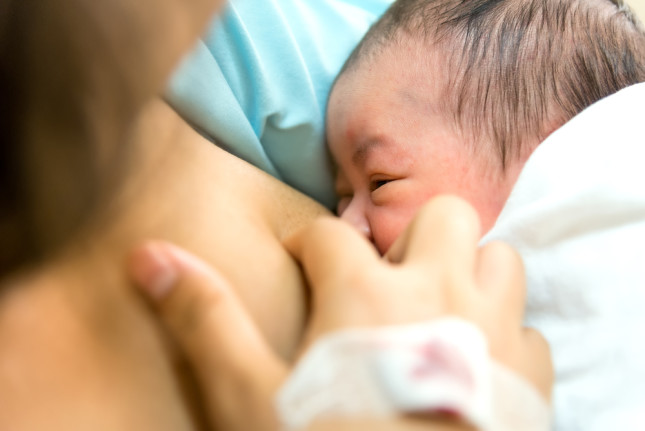
›“Too many children are dying in the first month of life,” said Richard Horton, Editor-in-Chief of The Lancet at a recent launch event for the 2023 Lancet Series on Breastfeeding, hosted by The Royal Society of Medicine, London. Indeed, the global numbers are staggering. Horton observed that 2.3 million children died in the first month of life in 2021—that’s more than 6,000 newborns dying every single day.
-
Pandemic Learning: Migrant Care Workers and Their Families Are Essential in a Post-COVID-19 World (New Report)
›“The COVID-19 pandemic has brought into the open two things that much of the world has always assumed but not fully acknowledged: women do the vast majority of caregiving, and caregiving is grossly undervalued. Caregiving is also the fastest-growing economic sector in the world—projected to add 150 million jobs by 2030. Global societal changes, like low birth rates, demographic aging, and an increase in female labor force participation, are basic drivers of the continued growth of this sector. But because in many cultures care work is considered “instinctive” for women—a type of work not requiring skill—it has remained virtually invisible, unpaid or underpaid and unregulated. It is also often stigmatized, especially when relegated to already marginalized and underrepresented populations.” – Pandemic Learning: Migrant Care Workers and Their Families Are Essential in a Post-COVID-19 World
-
Cascading Impacts of the War in Ukraine: Mental, Maternal, and Newborn Health
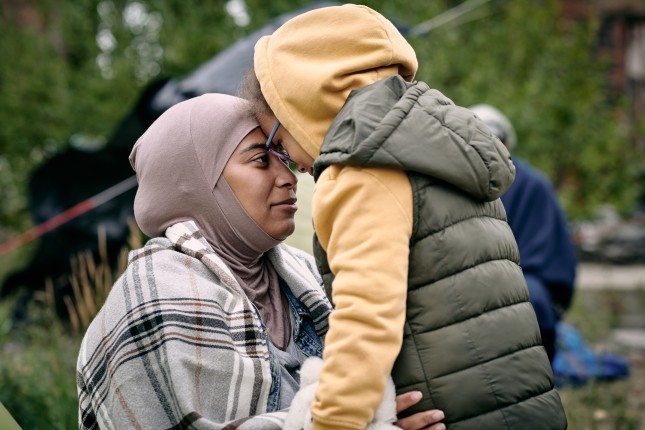
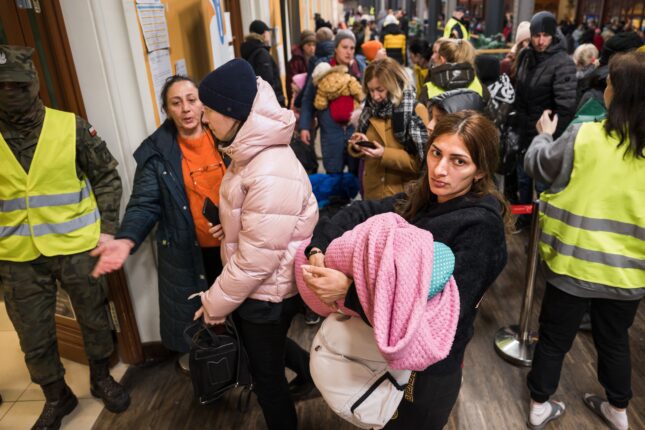
›Ukraine and its people will feel the effects of the Russian invasion for years to come. More than 6 million refugees have left Ukraine, another 8 million Ukrainians are internally displaced. Among those most impacted are Ukraine’s women and girls, who have a greater chance of experiencing gender-based violence, exploitation, and trafficking. They also face escalated maternal and newborn mortality rates stemming from lack of services and diminished care, as well as injuries and trauma due to the ongoing conflict. Less visibly, Ukrainians are confronting severe emotional distress and trauma.
-
Ukrainian Resilience: Ukrainian MP Kira Rudik Discusses Surviving in Kyiv [New Video]
›When Kira Rudik, Ukrainian Member of Parliament and Leader of the Holos/Voice Party spoke with the Wilson Center’s Maternal Health Initiative and Middle East Program on the one month anniversary of Russia’s invasion of Ukraine, she emphasized the transformative nature of the conflict for every citizen.
“Putin thought he would be fighting our army,” says Rudik. “Instead, he’s fighting every single man and woman in Ukraine, and there’s a huge difference.”
-
Accessing Justice for Gender-Based Violence in Humanitarian Settings
›Gender-based violence (GBV) is a global epidemic rooted in gender inequality and an imbalance in power dynamics. All persons are at risk of violence because of their gender or perceived gender. Women and girls—including transgender women and girls—experience disproportionate gender-based violence, and this violence is even more prevalent among women and girls who have been forcibly displaced.
Showing posts by Sarah B. Barnes.