-
Conflict, Crisis, and Peacebuilding: Afghanistan and Regional Water Security
›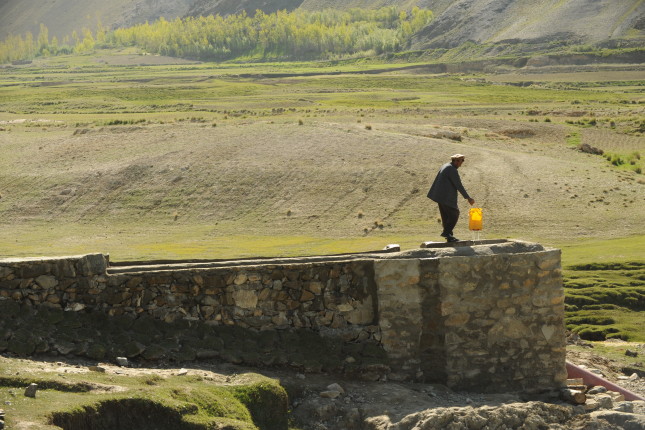
Gunfire erupted at the border of the Afghan Nimroz Province and Iran’s Sistan-Baluchistan Province on May 27, 2023, amid rising tensions over water rights, killing troops on both sides.
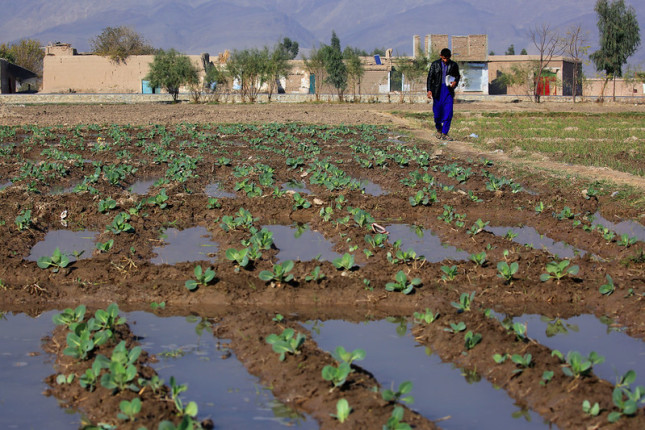
Iranian and Afghan government officials have blamed each other for triggering the incident. But whatever the cause, the tensions over water flows between these nations have been simmering for at least a century. Indeed, in 1999, under the first iteration of the Taliban, flows were restricted completely causing damage to the delicate Hamoun Region—a registered UNESCO biosphere site of social and ecological importance.
-
PERAC: A Voice for Environment and Indigenous Peoples in Conflict’s Grip
›
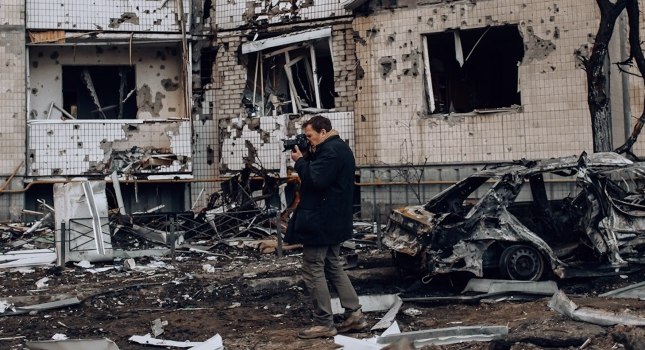
The harm that comes to the environment during armed conflict is often permanent, yet the lack of advocates to fight for its protection as they happen creates a deafening stillness. Indeed, this state of affairs has led to the environment to be seen as the “silent victim of war.” Vietnam, Kuwait, Syria, Afghanistan, Ukraine, and several more nations have been permanently damaged due to the destruction of the environment during armed conflict which can persist long after hostilities have ceased.
-
A Land Like No Other: Afghanistan’s Post-Conflict Ecotourism Potential
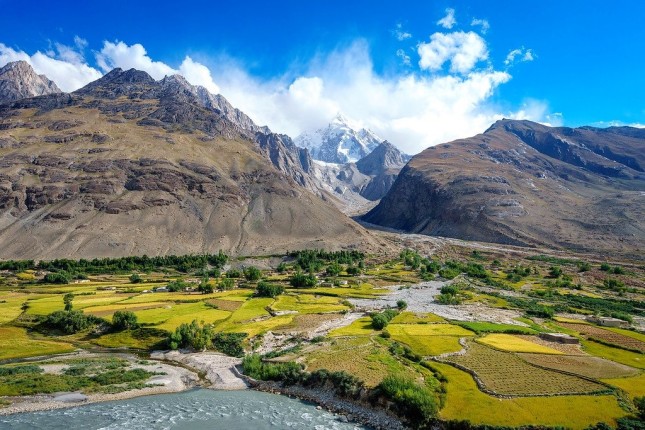
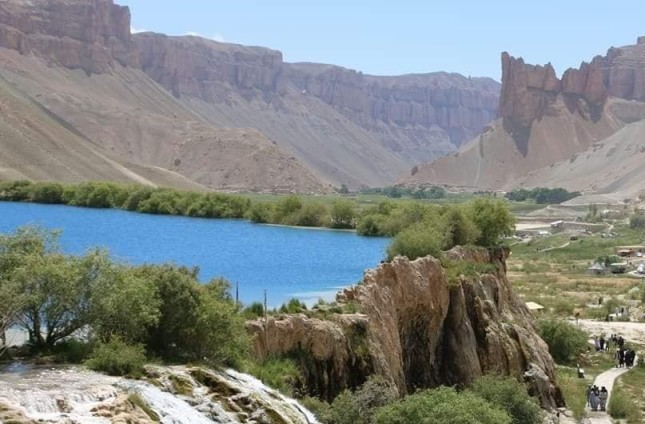
›Stunning cobalt-blue lakes with natural travertine dams in Band-e-Amir, the pristine, soaring Pamir Mountains, through which some of the world’s last snow leopards prowl—far from the simplistic, violent, and drab images preferred by the media, Afghanistan is a beautiful and multifaceted nation. Lonely Planet once described Afghanistan as a “vastly appealing country.” Having married into an Afghan family many years ago, I can attest that the culture is also extremely hospitable. Welcoming tourists to visit their beautiful nation is a logical extension of the Afghan culture.
-
How Natural Resources Could Help Build Peace in Afghanistan
›Potential water wars due to plans for multiple dams, violent opium cartels supporting world heroin markets, and many conflict-financing minerals including everyday talc used for baby powder. These are the types of natural resources stories that usually make front page news about Afghanistan. But natural resources have a significant role to play in stabilizing Afghanistan. Instead of being a source of conflict, they may help with peacebuilding by creating livelihoods and creating opportunities for ex-combatants.
-
Power Play: Can Micro-Hydropower Electrify Remote Afghanistan and Promote Peace?
›After close to 40 years of armed conflict, Afghanistan may be poised to begin a period of economic recovery. Electrifying remote areas and establishing pervasive political control is critical to its success. India is currently planning and funding several major hydropower projects along the Kabul River and its tributaries. Micro-hydropower is bringing electricity to remote areas such as the Banda Miralamji Village in eastern Nangarhar Province. However, in some areas far from the capital, the central government in Kabul and opposition groups are struggling for control and influence. While electrification of a village often eases poverty, health concerns, and improves communication, it does not always benefit the government in Kabul.
-
As Afghanistan’s Water Crisis Escalates, More Effective Water Governance Could Bolster Regional Stability
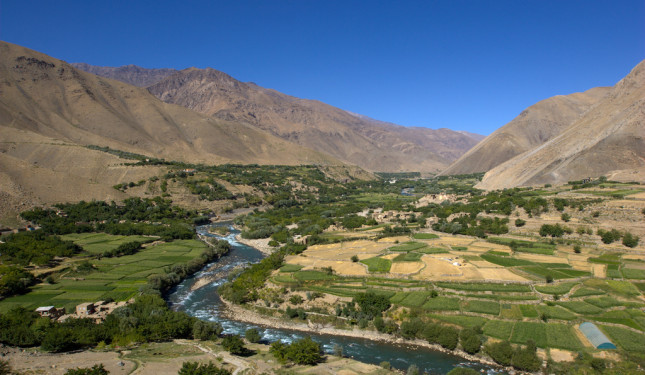
›“Kabul be zar basha be barf ne!” This ancient proverb—“May Kabul be without gold rather than snow”—refers to snowmelt from the Hindu Kush Mountains, a primary source of Afghanistan’s water supply. To recover from years of armed conflict, Afghanistan needs a stable water supply, but its sources are increasingly stressed by severe droughts. The Norwegian Refugee Council estimates that today, 2 out of 3 provinces are impacted by drought, putting two million people at risk of hunger. Improving the country’s water governance—the social, legal, and administrative systems that guide how water is distributed and used—may help it avoid both internal and regional conflicts by stabilizing its economy and its citizens’ livelihoods.
-
Afghanistan’s Water Plans Complicated by Worried Neighbors
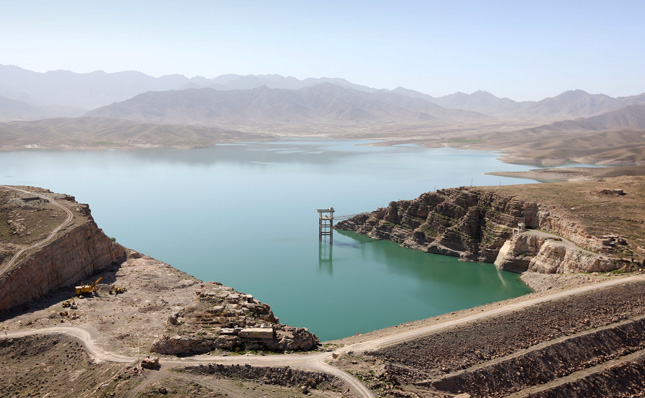
›More than 40 years ago, the Soviet Union attempted to harness hydropower to modernize Afghanistan. Between 1960 and 1968, they poured money and technical knowledge into the 100-meter Naghlu gravity dam outside Kabul and a village for its workers called Sharnak. Although the town has been damaged and the boons of modernity remain elusive for many Afghans, the dam remains a crucial source of power for the capital and is the largest power plant in the country with an installed capacity of 100 megawatts.
-
Kabul Greenbelt Project Aims to Restore Some Luster to War-Ravaged Capital – and Resilience Too
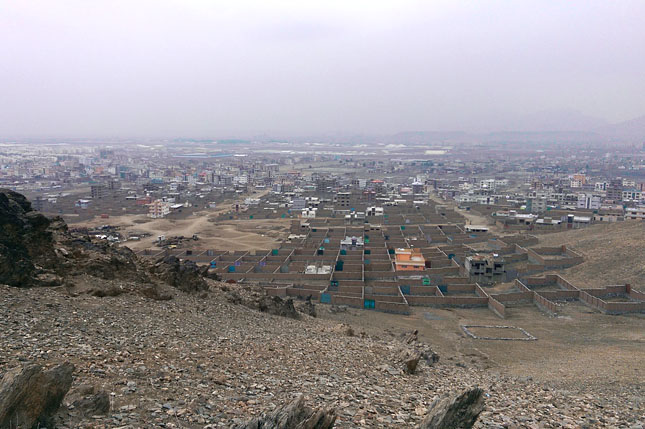
›It’s hard to imagine today, but Kabul was once ringed with grassy areas and shrubs, a few trees in areas too. Some of my husband’s favorite recollections of early 1970s Afghanistan are of simple family picnics in picturesque parks. Hours of lounging, grilling kebab, preparing rice, and conversing were a respite from the oppressive heat of the capital. Sometimes a picnic would become an all-night, extended family gathering. The Gardens of Paghman were a favorite destination with rows of pine trees, roses, and cool fountains. Pre-war family photos reveal neatly trimmed trees, bushes, and ample grassy areas for impromptu games. The family picnic is still popular among the Afghan diaspora. In the United States, Afghan community events are often held in parks, and involve large, multi-family picnics.
Showing posts by Elizabeth B. Hessami.