

-
Unpacking the Impact of the Fifth National Climate Assessment
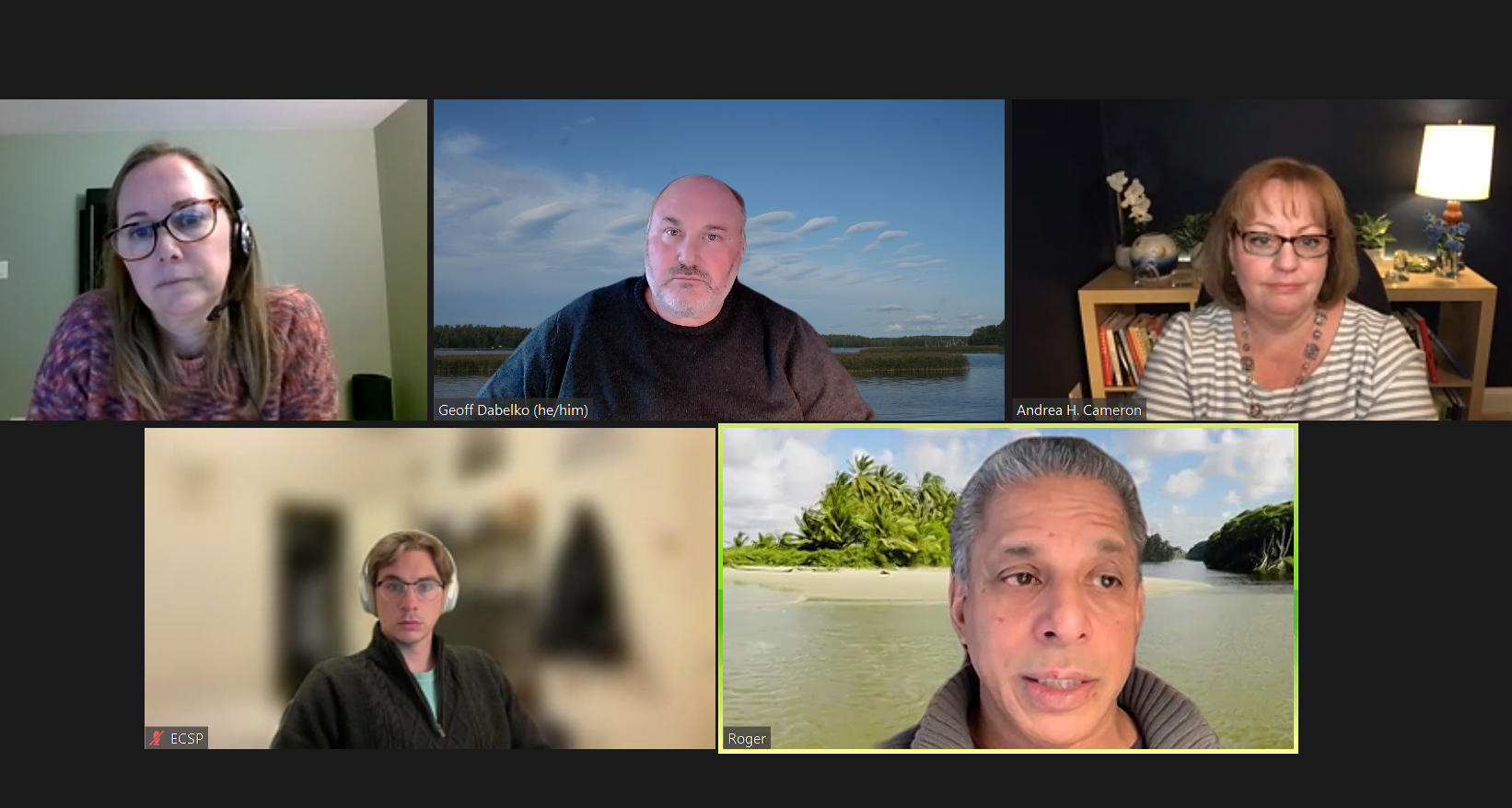
› In today’s episode of New Security Broadcast, ECSP Director Lauren Risi hosts three contributing authors of the international chapter of the recently released fifth National Climate Assessment. Dr. Roger Pulwarty is a Senior Scientist with the Physical Sciences Laboratory at NOAA; Dr. Andrea Cameron is a permanent military professor teaching policy analysis at the US Naval War College; and Dr. Geoff Dabelko is a Professor and Associate Dean with the Voinovich School of Leadership and Public Affairs at Ohio University and a senior advisor to ECSP. In the conversation, the authors discuss the implications of climate change for national and international security, and they delve into the international chapter and its significance for policymakers in the US and abroad.
 -
Green Corruption: Dissecting a Recent Wilson Center Event
›In today’s episode of New Security Broadcast, ECSP’s Angus Soderberg breaks down a recent Wilson Center event against the backdrop of the 10th annual Conference of State Parties (COSP) to the UN Convention on Corruption, which is under way in Atlanta this week. On September 19, ECSP and the Wilson Center’s Global Europe Program, in partnership with the U.S. Department of State, the Embassy of the Principality of Liechtenstein, and the Basel Institute on Governance, hosted Combating Green Corruption: Fighting Financial Crime as a Driver of Environmental Degradation. The speakers discuss how corruption fuels wildlife trafficking and other environmental crimes, which finance illicit activities, hamper development, and erode efforts to combat biodiversity loss and climate change across the globe.
-
The Arc | Dr. Yvonne Su on Climate Migration, Equity, and Policy
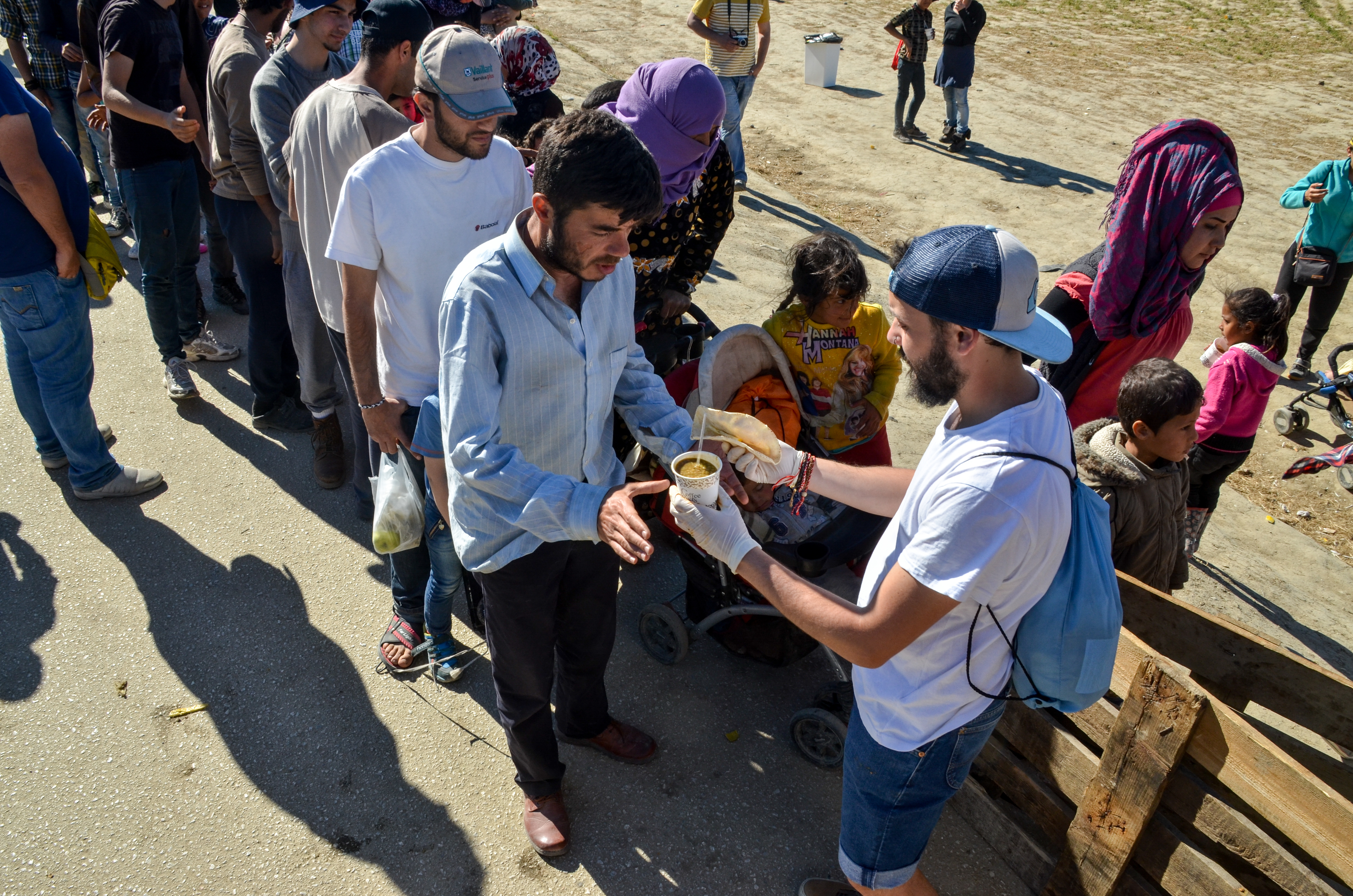
› In today’s episode of The Arc, ECSP’s Claire Doyle and Angus Soderberg interview Dr. Yvonne Su, an Assistant Professor in the Department of Equity Studies at York University in Toronto. Dr. Su challenges oversimplified portrayals of displacement by drawing out how socioeconomic status, identity, and timeframes shape experiences of migration. She also stresses the importance of involving marginalized communities in policy consultations and draws attention to local grassroots organizations as pivotal players in addressing the challenges of climate migration.
-
The Arc | Dr. Robert McLeman on Climate Migration, Equity, and Policy
› In today’s episode of The Arc, ECSP Director Lauren Risi interviews Dr. Robert McLeman, a professor of Geography and Environmental Studies at Wilfrid Laurier University in Toronto. Dr. McLeman unpacks how climate change interacts with social, economic, and political conditions in ways that lead some communities more vulnerable to climate-related displacement than others. He also shares insights into how we can better promote safe, dignified, and just migration in the context of climate change and how justice and equity considerations are being incorporated into climate migration policy.
-
Relief, Recovery, and Peace: Peter Schwartzstein on COP28’s New Theme
›
In today’s “Relief, Recovery, and Peace” episode on New Security Broadcast, we’re featuring an interview recorded by the Wilson Center’s Middle East Program (MEP) with Peter Schwartzstein, a Wilson Center Global Fellow and environmental journalist.
In a conversation with MEP director, Merissa Khurma, Schwartzstein discusses the impact of the war in Gaza on COP28 and environmental peacebuilding efforts more broadly in the region. He also talks about how to advance the new theme of peace in COP discussions and what his hopes are for a best-case scenario coming out of the upcoming summit. -
The Arc | Joanita Babirye on Women’s Climate Leadership in Uganda
› In today’s episode of The Arc, ECSP’s Claire Doyle and Angus Soderberg interview Joanita Babirye, Co-founder of Girls for Climate Action. Joanita shares her firsthand experiences with climate stressors and the broader impact of climate change on women in Uganda. But it’s also a story of hope: She tells us about her work training over 300 women in climate action and facilitating climate demonstration hubs, underscoring the role that women and girls can play as catalysts for change in the face of the climate crisis.
-
Relief, Recovery, and Peace: David Nicholson on COP28’s New Theme
›In a new mini-series previewing the upcoming UN Climate Summit (COP28)’s new focus on relief, recovery, & peace, ECSP Program Director Lauren Risi spoke with David Nicholson, Director of the Environment, Energy and Climate Change Technical Support Unit at Mercy Corps.Nicholson described his role in ensuring that climate change is at the center of Mercy Corps’ wide-ranging and successful global humanitarian aid programs in 42 countries—and the importance of having local staff to make interventions a true partnership. He also talks about climate finance, and his hopes that COP28’s theme of “relief, recovery and peace” will advance the view that peacemaking is essential to adaptation efforts.
-
Relief, Recovery, and Peace: Iris Ferguson on COP28’s New Theme
›In a new mini-series previewing the upcoming UN Climate Summit (COP28)’s new focus on relief, recovery, & peace, ECSP Program Director Lauren Risi spoke with Iris Ferguson, the US Department of Defense’s Deputy Assistant Secretary of Defense for Arctic and Global Resilience.Deputy Assistant Secretary Ferguson spoke about why climate security has become a crucial element in DOD planning, as well as why the department will have a highly visible presence at COP28. She also shared the story of her own path to leadership at the Pentagon – as well as why her position includes both global resilience and the Arctic.
Showing posts by Wilson Center Staff.

 In today’s “Relief, Recovery, and Peace” episode on New Security Broadcast, we’re featuring an interview recorded by the Wilson Center’s Middle East Program (MEP) with Peter Schwartzstein, a Wilson Center Global Fellow and environmental journalist.
In a conversation with MEP director, Merissa Khurma, Schwartzstein discusses the impact of the war in Gaza on COP28 and environmental peacebuilding efforts more broadly in the region. He also talks about how to advance the new theme of peace in COP discussions and what his hopes are for a best-case scenario coming out of the upcoming summit.
In today’s “Relief, Recovery, and Peace” episode on New Security Broadcast, we’re featuring an interview recorded by the Wilson Center’s Middle East Program (MEP) with Peter Schwartzstein, a Wilson Center Global Fellow and environmental journalist.
In a conversation with MEP director, Merissa Khurma, Schwartzstein discusses the impact of the war in Gaza on COP28 and environmental peacebuilding efforts more broadly in the region. He also talks about how to advance the new theme of peace in COP discussions and what his hopes are for a best-case scenario coming out of the upcoming summit.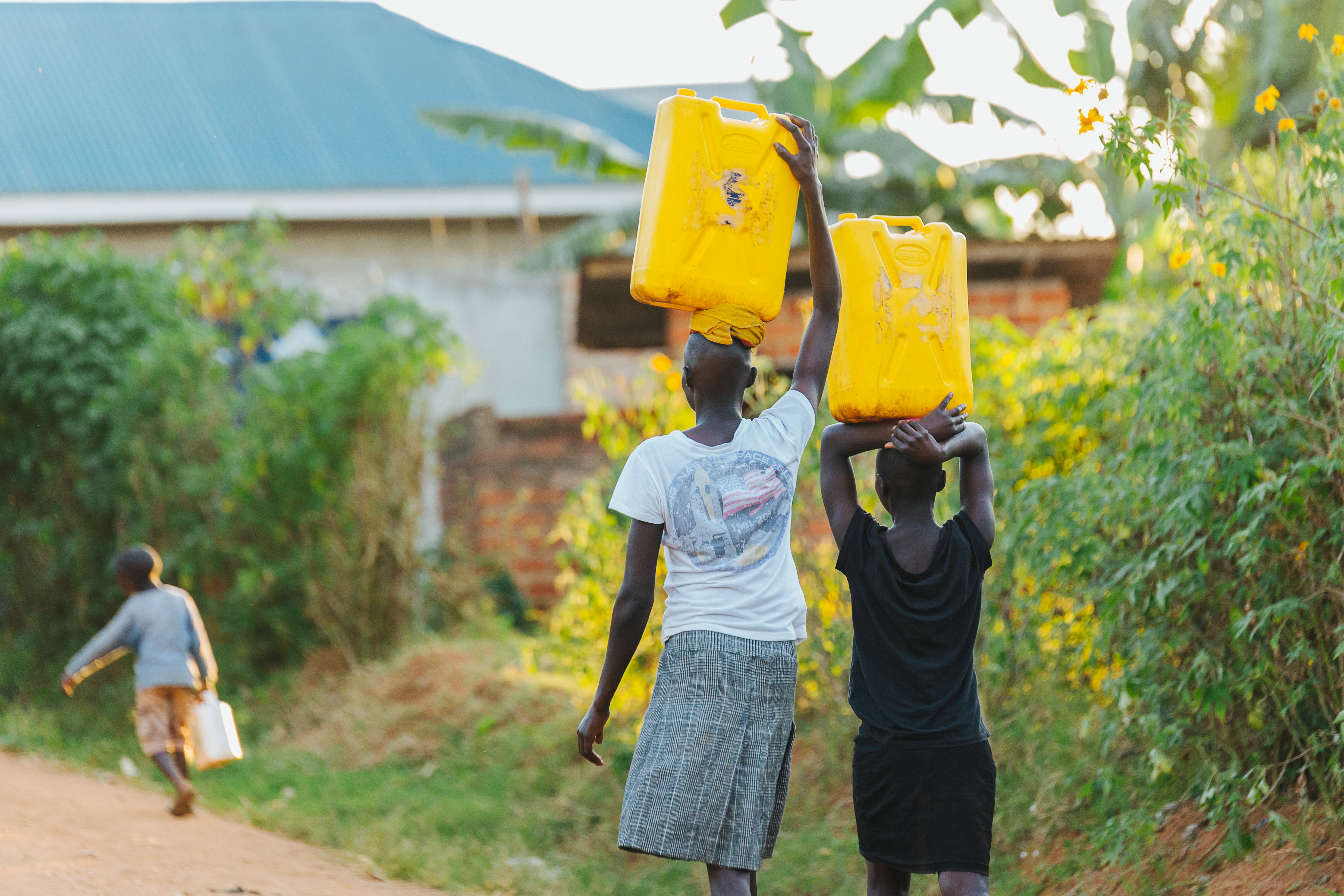
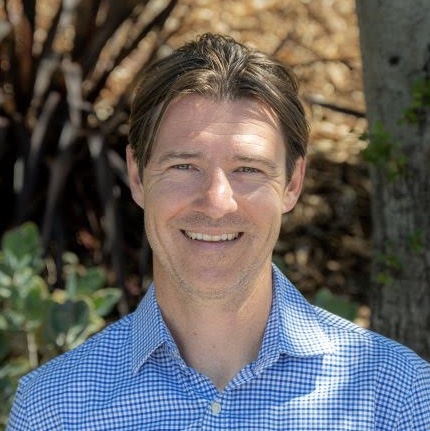 In a new mini-series previewing the upcoming UN Climate Summit (COP28)’s new focus on relief, recovery, & peace, ECSP Program Director Lauren Risi spoke with David Nicholson, Director of the Environment, Energy and Climate Change Technical Support Unit at Mercy Corps.
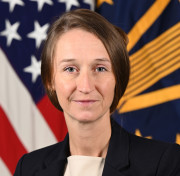 In a new mini-series previewing the upcoming UN Climate Summit (COP28)’s new focus on relief, recovery, & peace, ECSP Program Director Lauren Risi spoke with Iris Ferguson, the US Department of Defense’s Deputy Assistant Secretary of Defense for Arctic and Global Resilience.

