-
Christine Parthemore, Center for Climate and Security
How Are Climate Plans Affecting Nuclear Security?
›May 5, 2016 // By Wilson Center Staff
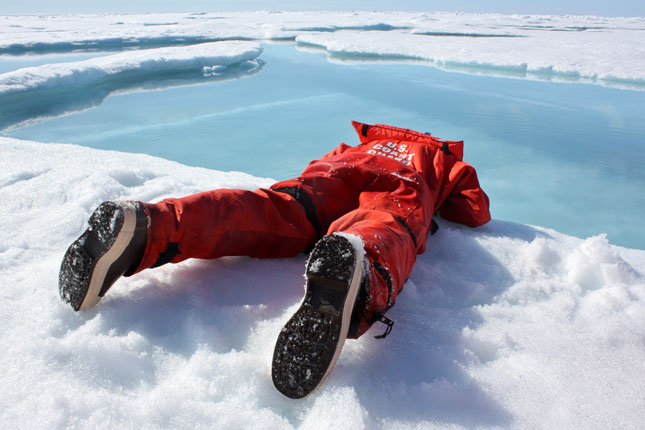
Today, new nations are pursuing civilian but dual-use nuclear capabilities, the threat of non-state actors seeking nuclear materials may be growing, and countries continue to debate proper ways to enhance nuclear safety, security, and nonproliferation systems to keep up with the pace of change. At the same time, governments worldwide are having difficulty managing the effects of a rapidly changing climate, such as more damaging natural disasters and resource stress. The relationships among nuclear, climate, and security risks are growing more complex and interconnected, and these issues are likely to begin converging in new ways. By early 2016, it has become clear that the international community must take a fresh look at the ways in which they are likely to connect and potentially collide in the years ahead, and foster deeper dialogue on what should be done about it.
-
Eric Holthaus, Ensia
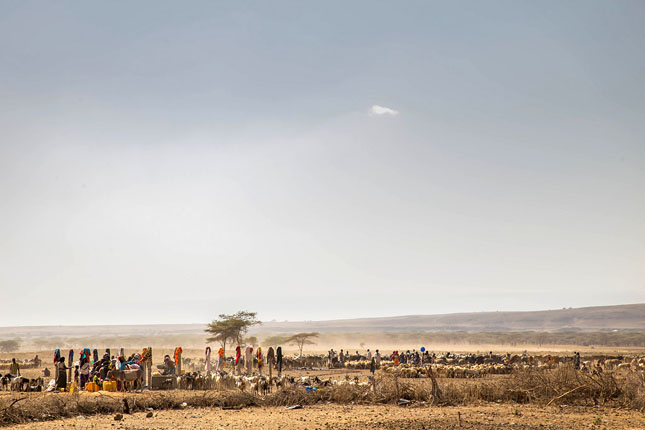
New Rainfall Data: “Now, We Can Accurately Identify How Horrible Things Are”
›April 28, 2016 // By Wilson Center Staff
People in developed countries rarely think of weather in life-or-death terms. But millions in the developing world have no choice but to do so. The global rich have stable governments, savings accounts, insurance, and more to fall back on when disaster strikes. People in poorer countries don’t, so they’re often faced with tough decisions in times of drought: Sell the only ox for food and plow by hand next year? Take the kids out of school and put them to work chopping firewood for extra cash? Abandon the farm and family to look for work in the city?
-
Ruth Greenspan Bell, The Guardian
In the Fight for Climate Action, Data Isn’t Always Your Friend
›April 6, 2016 // By Wilson Center StaffWhen anyone wishes to support – or defeat – a given position, the sturdiest method is to generate data to predict its consequences. Advocates generate reams of numbers to substantiate their preferred outcome.
-
Carlos Manuel Rodriguez, Human Nature
Murders of Environmental Activists Reflect Chronic Clashes Over Resource Use
›April 4, 2016 // By Wilson Center StaffWhen I heard of the horrific murder of Berta Cáceres, a Honduran environmental activist who had spent years fighting to protect her community’s traditional lands, I was shocked – though perhaps I shouldn’t have been.
-
Keith Johnson, Foreign Policy
Pentagon Directive Quietly Makes Climate Change Long-Term Priority
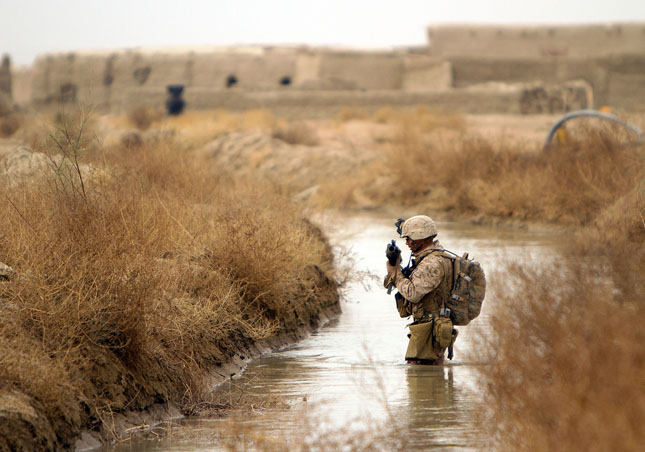
›March 24, 2016 // By Wilson Center StaffIn the middle of January, Deputy Secretary of Defense Robert Work signed off on one of the potentially most significant, if little-noticed, orders in recent Pentagon history. The directive told every corner of the Pentagon, including the office of the secretary of defense, the joint chiefs of staff, and all the combatant commands around the world, to put climate change front and center in their strategic planning.
-
Leslie Rose, Global Waters
Incubating Innovation: Solutions for a Parched Earth
›March 24, 2016 // By Wilson Center StaffMassive droughts and water demands from a world population projected to grow to 9 billion by 2050, translate to food insecurity and lack of water for agriculture. Securing Water for Food sources and invests in a portfolio of innovative solutions that help farmers use water more efficiently and effectively; improve water storage for lean times; and remove salt from water to make more food.
-
Suzanne Ehlers & Simon Wright, The World Post
Zika Another Sign of Urgent Need for Primary Care
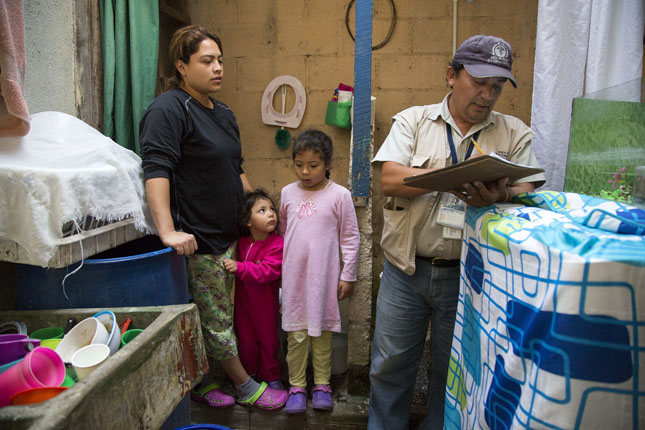
›On February 1, the World Health Organization declared the spread of the Zika virus a public health emergency. The declaration was the WHO’s highest level of warning – so dire, in fact, that it has only been declared three times in the organization’s history. We believe that, as with Ebola, the lesson we learn must be the importance of robust universal primary health care services.
-
David Titley, Center for Climate and Security
New Department of Defense Directive on Climate Change Adaptation and Resilience
›February 25, 2016 // By Wilson Center StaffIf you Google “arcane bureaucratic tool” the Department of Defense Directive (DODD) should be high on the results list. That said, these little-known directives can be very influential in how the Pentagon conducts its day-to-day business. Late last week, Deputy Secretary of Defense Robert Work signed out a DODD that may just be the most meaningful climate-related document the Department of Defense has released.
Showing posts by Wilson Center Staff.