-
Keith Schneider, Circle of Blue
Durban’s Decentralized Water and Sanitation System Sets Global Standard
›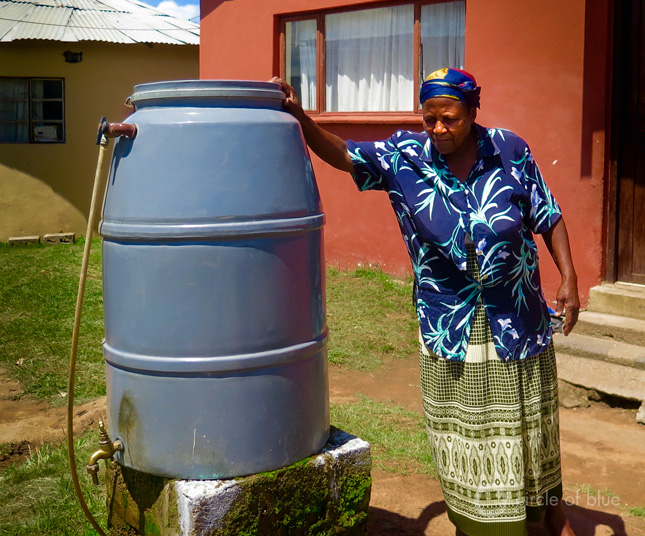
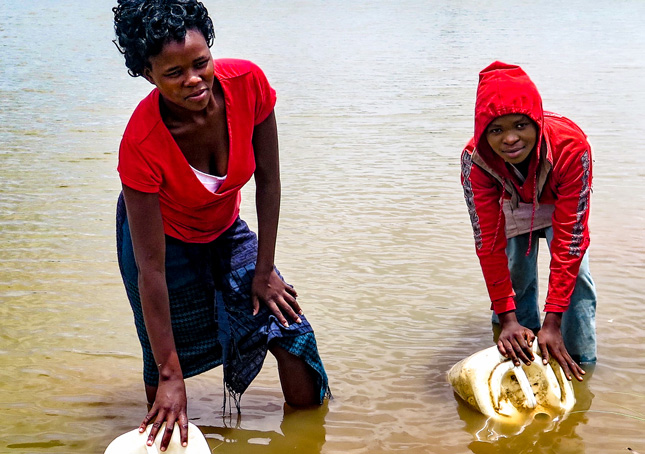
DURBAN, South Africa — Arguably the most elegant aspect of an inelegant subject is how this city of 3.2 million residents, South Africa’s second largest, is solving monumental water and waste challenges in its jammed informal settlements.
-
Keith Schneider, Circle of Blue
Drought Pushes South Africa to Water, Energy, Food Reckoning
›
January 7, 2016 could hardly have been worse in this thunderously beautiful, water-parched, and economically reeling nation of 55 million residents at the bottom of Africa.
-
Kenneth Weiss, Worldwatch Institute
Environmental Researchers and the Touchy Topics of Family Planning and Population
›January 20, 2016 // By Wilson Center StaffAs a young and promising marine biologist, Camilo Mora led a team of 55 scientists assessing the rapid decline of fish on the world’s coral reefs. It was a global enterprise with broad implications. Hundreds of millions of people rely on reef fish for their primary source of animal protein. Healthy reefs protect coastal communities from devastating storms and provide a multitude of livelihoods, including jobs in the fast-growing tourism industry.
-
Mogelgaard, McGray, Amerasinghe, World Resources Institute
What Does the Paris Agreement Mean for Climate Resilience and Adaptation?
›January 14, 2016 // By Wilson Center StaffClimate change impacts, such as severe drought, sea-level rise, and shifting seasonal patterns, will affect people everywhere. So it’s fitting that the new Paris Agreement places unprecedented importance on actions needed – both nationally and globally – to help people adapt, and solidifies expectations that all countries will do their part to promote greater climate resilience. It also recognizes that even the greatest resilience may not completely prevent harm to life and property, and that the global community must find ways to address “loss and damage” in cases where impacts are beyond the limits of adaptation.
-
John Wihbey, Yale Climate Connections
Nuancing “Climate Refugee” Language and Images
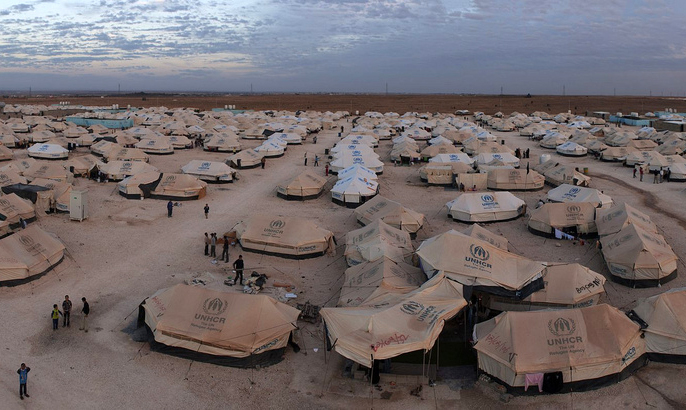
›December 18, 2015 // By Wilson Center StaffMigrants and Syrian refugees have become the new “stranded polar bear” of climate change imagery. But most such impacts will seldom be so dramatic or camera-ready.
-
Michael Kugelman, Foreign Affairs
4 Myths About Climate Change in South Asia
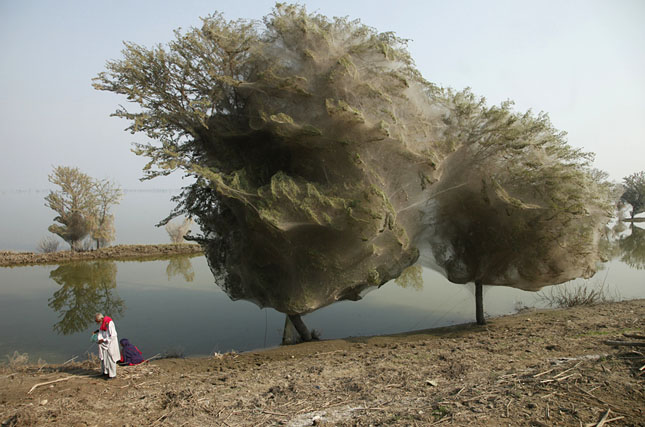
›December 9, 2015 // By Wilson Center StaffClimate change is a very real threat. It will have major implications for every country and region in the world, but South Asia is particularly vulnerable. To appropriately address the challenges there, the world will have to confront four misconceptions about climate change in South Asia. With world leaders convening in Paris to hash out a new agreement on climate change, now is the right time to do it.
-
Lisa Palmer, Yale Climate Connections
Learning From India’s “Climate-Smart” Farming Villages
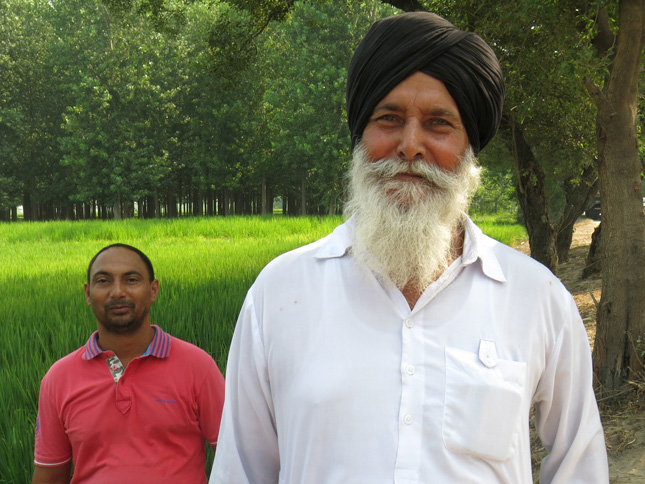
›December 2, 2015 // By Wilson Center StaffJoginder Singh, a 68-year-old farmer in the village of Noopur Bet in Punjab, is among the thousands of farmers in India trying to reconcile the risks posed by a changing climate with their need to improve crop yields to support their families.
-
Vik Mohan, Blue Ventures
Climate-Resilient Development? We’re Doing It Already!
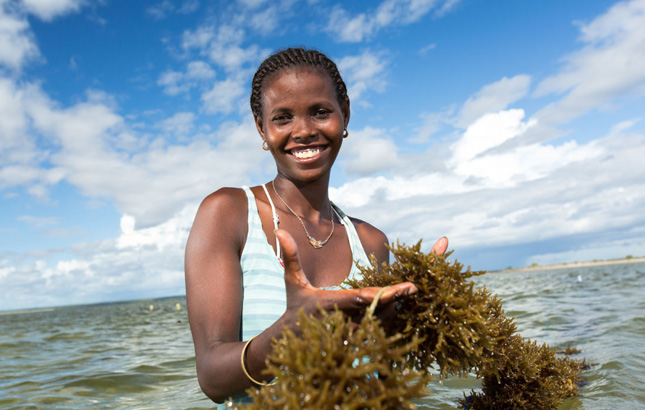
›December 2, 2015 // By Wilson Center StaffAs the UNFCCC Conference of the Parties (COP) gets underway in Paris, #resilience appears with increasing frequency on my Twitter feed, and I frequently hear talk about “socio-ecological resilience,” “climate-resilient development,” and “resilience programming.”
Showing posts by Wilson Center Staff.