-
Common Mistakes When jo Franklin Playing Sports Betting with an Enjoyable and Responsible Mindset
›December 1, 2025 // By Anna Bella KorbatovSports betting has become a popular pastime for many individuals around the world. With the rise of online betting platforms, it has never been easier to place a wager on your favorite team or athlete. However, many people fall into common traps when engaging in sports betting, which can lead to financial loss and disappointment. In this article, we will explore some of the most common mistakes that people make when participating in sports betting, and provide tips on how to have an enjoyable and responsible mindset while placing bets.
1. Not Setting a Budget: One of the biggest mistakes that people make when sports betting is not setting a budget for themselves. It can be easy to get caught up in the excitement of placing bets and forget about the financial implications. Setting a budget before you start betting will help you avoid overspending and ensure that you are betting within your means.
2. Chasing Losses: Another common mistake that people make when sports betting is chasing losses. Losing streaks are a normal part of sports betting, and it is important to accept losses as part of the game. Chasing losses by placing bigger bets in an attempt to recoup your losses can lead to even greater financial losses.
3. Ignoring Bankroll Management: Proper bankroll management is essential for long-term success in sports betting. It is important to divide your bankroll into smaller units and only bet a small percentage of your bankroll on each wager. This will help you protect your bankroll and minimize your losses.
4. Not Doing Proper Research: Many people make the mistake of not doing proper research before placing bets. It is important to have a solid understanding of the sport or event you are betting on, as well as the teams or athletes involved. Researching factors such as team form, injuries, and head-to-head records can help you make more informed decisions when placing bets.
5. Betting with Emotions: Emotions can cloud judgment and lead to poor decision-making when sports betting. It is important to bet with a clear and rational mindset, rather than letting emotions dictate your betting decisions. Avoid betting on your favorite team or athlete simply because you have an emotional attachment to them.
6. Focusing on Long Shots: While it can be tempting to bet on long shots in the hopes of a big payday, focusing solely on long shots can be a risky strategy. It is important to strike a balance between betting on favorites and underdogs, and to consider the odds and potential outcomes before placing a bet.
7. Not Taking Breaks: Sports betting can be an exciting and fast-paced activity, but it is important to take breaks and avoid betting impulsively. Taking breaks can help you maintain a clear and focused mindset, and prevent you from making snap decisions that you may later regret.
In conclusion, sports betting can be a fun and enjoyable activity when approached with an enjoyable and responsible mindset. By avoiding common mistakes such as not setting a budget, chasing losses, and betting with emotions, you can increase your chances of success in sports betting. Remember to do proper research, practice good bankroll management, and take breaks when needed. By following these tips, you can enjoy the thrill of sports betting in a responsible and sustainable way.
-
In the Blindspot: Security and Chinese EV Exports to the Global South
›
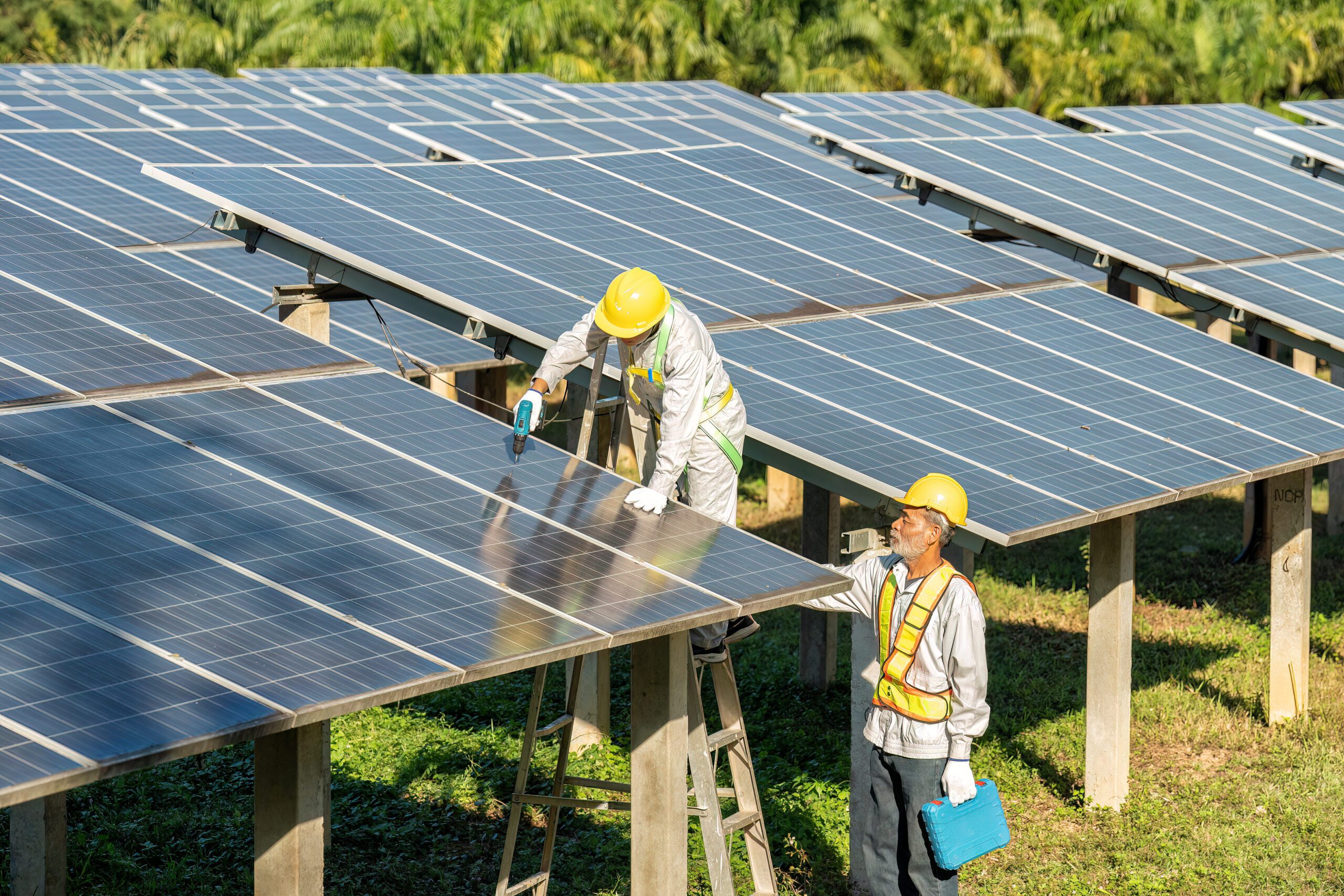
The most persuasive argument for global EV adoption is the positive impact that these vehicles have for the environment. A scientific consensus has emerged around the benefits of electric vehicles and their zero tailpipe emissions, ranging from local air quality improvement to increased energy efficiency.
-
Environmental Security Weekly Watch: November 17-21, 2025
›November 21, 2025 // By Madelyn MacMurray
A window into what we’re reading at the Stimson Center’s Environmental Security Program
As COP30 Concludes, Experts Call for Reform (Reuters)
Interviews with experts attending COP30 highlight a growing movement for reform to the UN climate negotiations. In particular, there is alignment on a key critique of the current COP structure which calls for a full consensus of nearly 200 countries to make decisions. Since this requirement historically has allowed more ambitious efforts to be blocked during negotiations, suggestions for reform have included the following: a shift to a majority-vote model, holding COP every other year, convening smaller action-focused gatherings, and downsizing COP to exclude big business contingents.
-
Energy Security and Global Climate: How India Navigates Middle East Volatility
›The recent conflict between Iran and Israel, as well as Iran’s threat to close the Strait of Hormuz, have done more than starkly expose the risks of geopolitical instability in the Gulf. It has also underscored the vulnerability of India’s energy security due to its heavy reliance on fossil fuel imports, and particularly crude oil transiting through the Strait of Hormuz.
-
Shall We Ask ChatGPT About Water During Negotiation?
›November 17, 2025 // By Kyungmee KimArtificial Intelligence (AI) has the potential to reshape how data and knowledge are produced, shared, and used in transboundary water negotiations, but it also risks entrenching political imbalances, deepening mistrust, and displacing the need for genuine cooperation.
-
Environmental Security Weekly Watch: November 10-14, 2025
›A window into what we’re reading at the Stimson Center’s Environmental Security Program
Rising Food Insecurity is Driving Instability (Foreign Affairs)
Since 2020, the number of people facing acute hunger and chronic food insecurity has increased 130% above existing levels. And supply is not the issue. At present, the world produces enough food to feed nearly 10 billion people, yet there are 720 million people who are food insecure and a further 319 million face acute hunger. Today’s hunger is driven instead by barriers to access.
-
From Readiness to Resilience: Strengthening Institutions for Climate Action
›November 12, 2025 // By Stephanie SpeckThis article was adapted from Stephanie Speck’s remarks at the 2025 Berlin Climate Security Conference.
When I arrived in Mogadishu in 2013 to set up and lead the Office of the President’s communication and media department, I had the privilege of being invited to breakfast with the President. As I made my way through the layers of security leading to the presidential residence, I noticed an older woman walking behind me—cradling a chicken under each arm. She followed closely, undeterred by the checkpoints that stopped others.
-
Closing the Climate Finance Gap in Fragile States
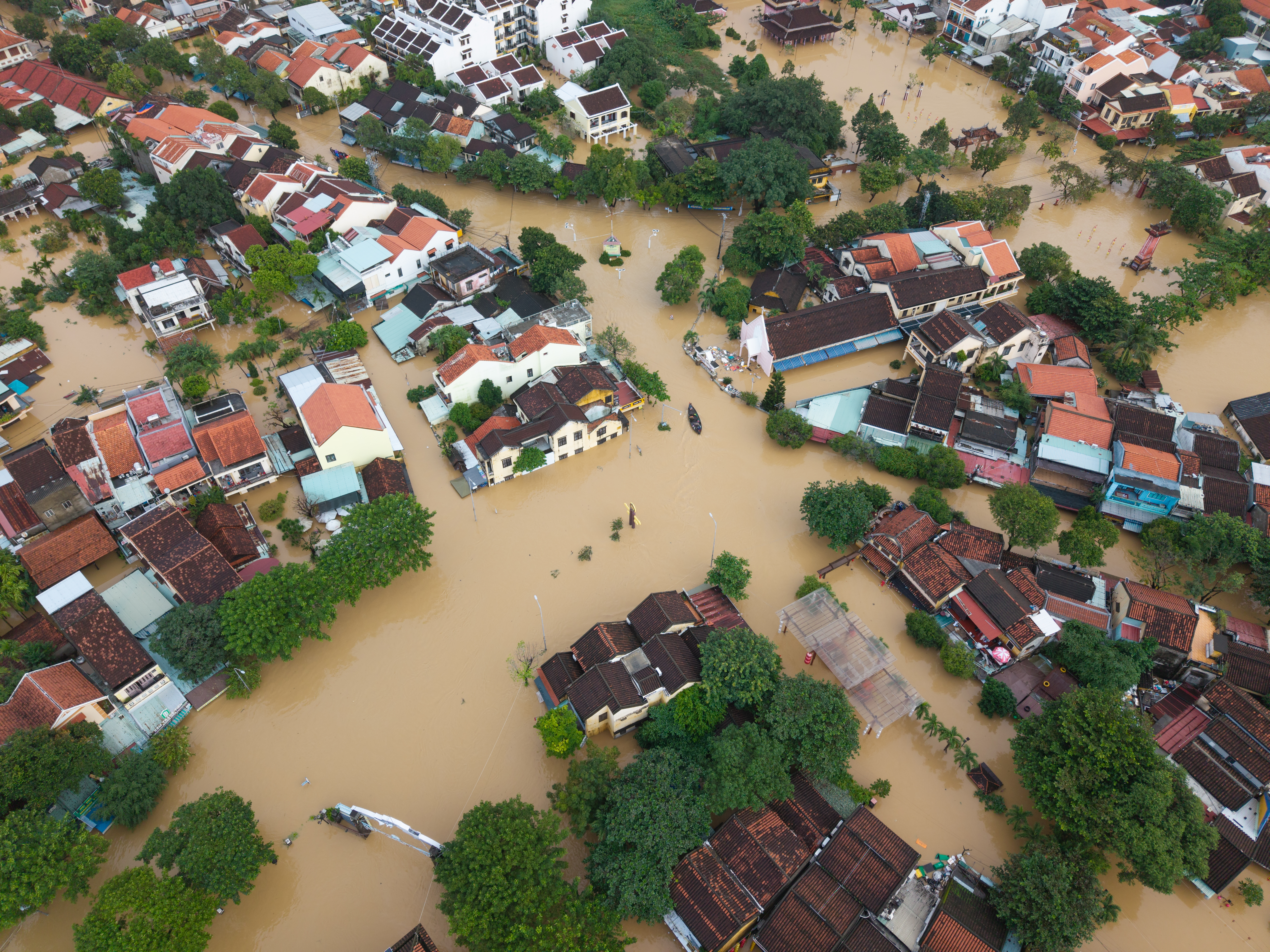
›November 11, 2025 // By Madelyn MacMurrayA massive flood in Somalia killed hundreds of people, and displaced tens of thousands more. Yet the survivors faced a vexing prospect when they tried to return home: Al-Shabab had moved in.
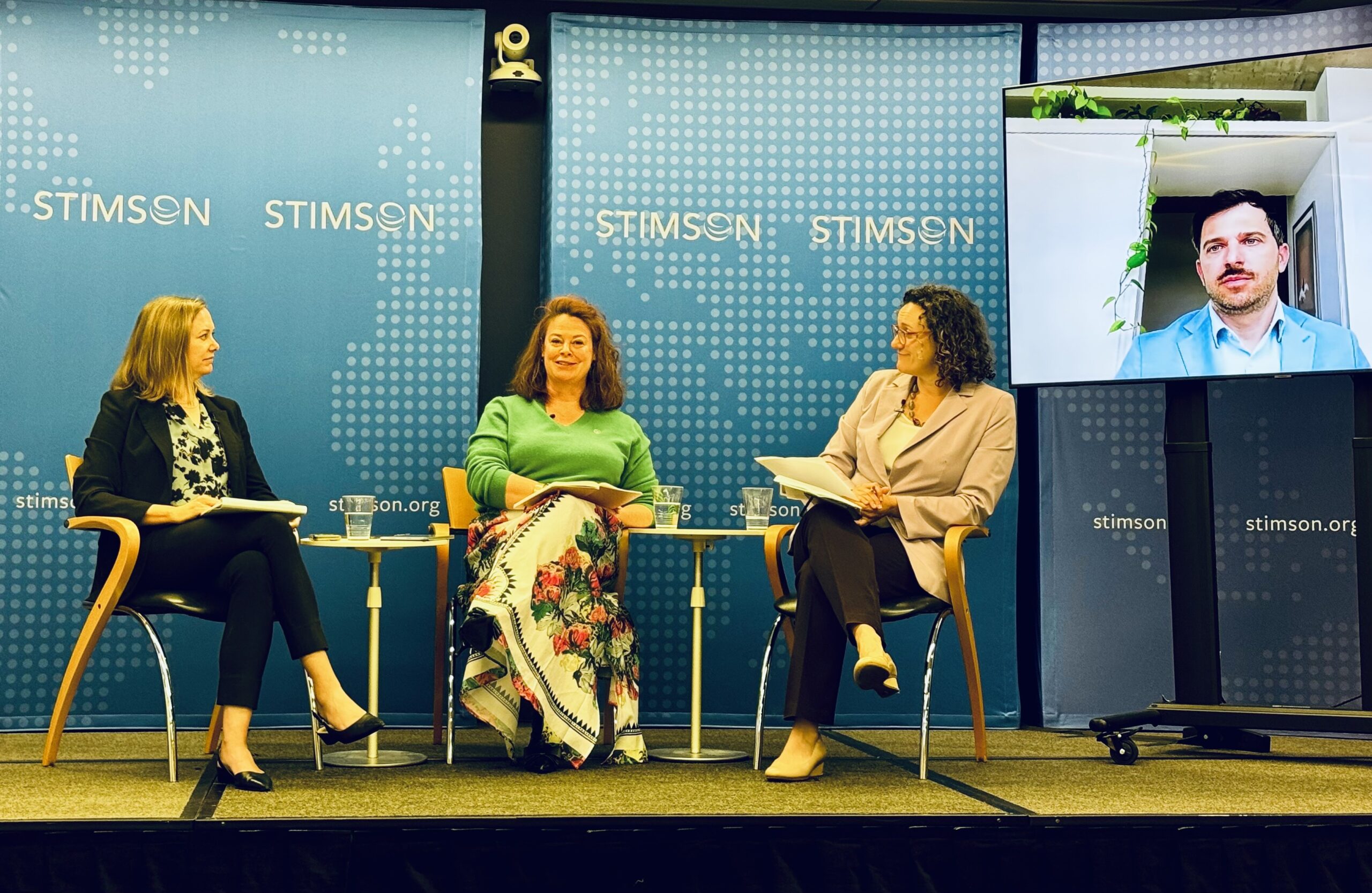
Stephanie Speck, Head of Special Initiatives at the Green Climate Fund, observed at a recent Stimson Center event that Shabab’s new levies meant that residents could not to move back to farm their land.
 A Publication of the Stimson Center.