-
What Can the Environmental Community Learn From the Military? Interview With Chad Briggs on Scenario Planning
›September 8, 2014 // By Moses Jackson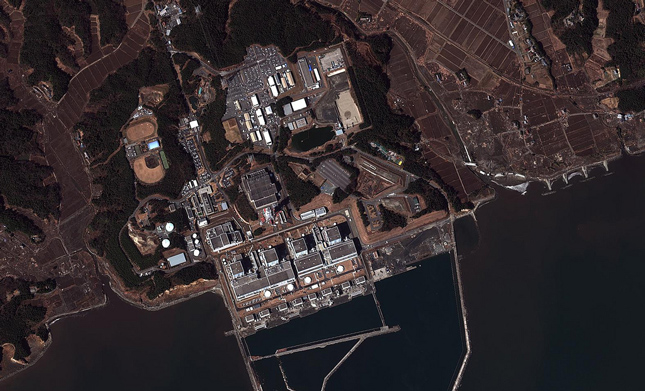
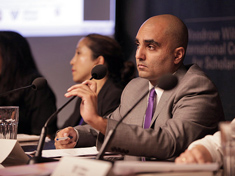
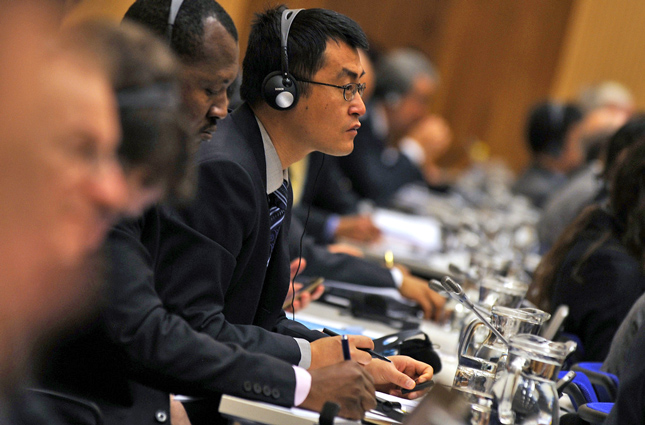
Is it possible to prepare for the unexpected? Could anyone have foreseen, for instance, a nuclear meltdown triggered by an earthquake-induced tsunami? Or a brutal band of transnational militants quickly capturing Iraq’s largest dam while attempting to establish a new Islamic caliphate? Perhaps not exactly, but that shouldn’t stop us from anticipating unlikely events, says Chad Briggs, a risk assessment expert and strategy director of consulting firm GlobalInt.
-
Top 10 Posts for August 2014
›
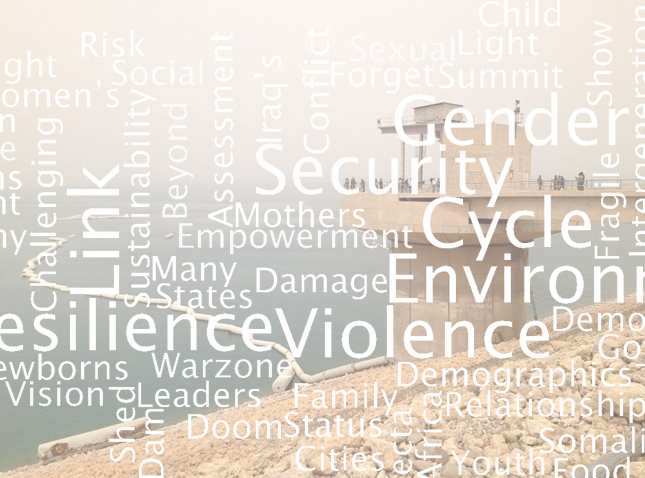
We started the last top 10 post tracking the dramatic battle over Iraq’s Mosul Dam and the most popular of August took a closer look. Cameron Harrington and I explain that this isn’t the first time water has played a major role in the fighting, while also exploring ways it could be a peacemaker.
-
Opportunity Costs: Evidence Suggests Variability, Not Scarcity, Primary Driver of Water Conflict
›Nearly 1 billion people lack reliable access to clean drinking water today. A report by the Water Resources Group projects that by 2030 annual global freshwater needs will reach 6.9 trillion cubic meters – 64 percent more than the existing accessible, reliable, and sustainable supply. This forecast, while alarming, likely understates the magnitude of tomorrow’s water challenge, as it does not account for the impacts of climate change.
-
Overcoming Malnutrition Key to Maternal and Child Health Improvements, Says Dr. Ranu Dhillon
›
With less than 500 days until they expire, it’s almost certain that the Millennium Development Goals on child mortality and maternal health will be missed by many countries. Already, work on drafting the MDG successors has begun; but unless policymakers put nutrition at the center of maternal and child health systems, reducing global maternal and child mortality ratios by an appreciable amount will be difficult, says Dr. Ranu Dhillon in this week’s podcast.
-
Proven and Promising Solutions to Strengthening Maternal Health Supply Chains
›In 2012, as part of the Every Women Every Child movement, 13 vital health commodities were identified by a UN panel that could save the lives of more than 6 million women and children over the course of five years. There are often significant cultural and behavioral barriers to these commodities reaching people in low- and middle-income countries, but physical logistics is also a major problem. -
Silver Buckshot: Alternative Pathways Towards Greenhouse Gas Mitigation
›In 1986, global nuclear weapons stockpiles peaked at nearly 70,000 warheads. By the beginning of 2013, there were just over 17,000, with only 4,400 kept operational. This dramatic reduction was the fruit of a negotiation process that began in the late 1940s. In spite of incredible tensions between the United States and the Soviet Union, negotiators were able to make progress once they focused on building trust with small, pragmatic steps, rather than starting with the complete elimination of all weapons. [Video Below]
-
Accelerating a Cycle of Violence: Tallying the Damage to Gaza’s Youth
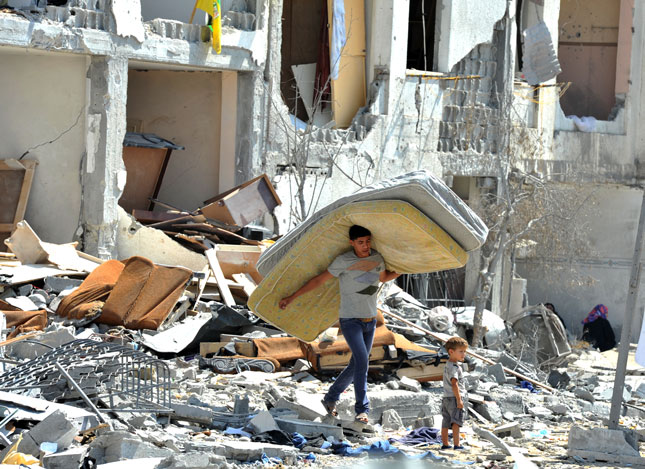
›August 25, 2014 // By Sarah MeyerhoffAmid stop-and-start ceasefires, the tally of death and destruction from the recent conflict in the Gaza Strip has begun. Whatever the final losses incurred – casualties and damage are considerable with estimates varying significantly depending on the source – Gaza’s youngest residents are likely to be most profoundly affected.
-
Jacob Glass, PassBlue
New Investment Law in Peru Undermines Rights of Indigenous Women
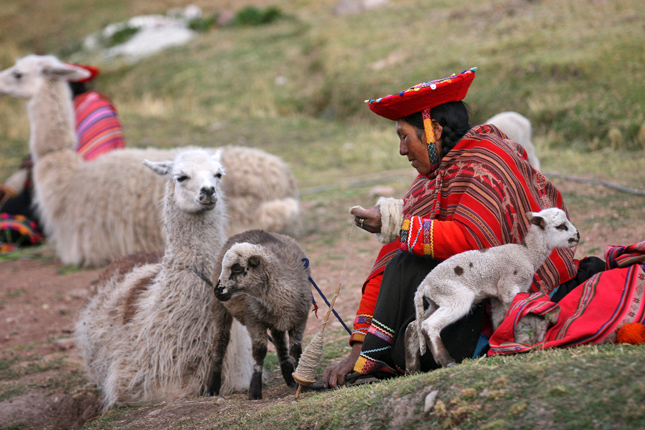
›August 22, 2014 // By Wilson Center StaffA new law in Peru encouraging investment in the country’s extractive industries has reignited debate on the lack of power indigenous women have in the mostly rural societies where they often live. The International Indigenous Women’s Forum, which drew more than 60 native women from across the world to Peru last month, highlighted this important issue.
 A Publication of the Stimson Center.