-
USAID’s Sylvia Cabus on the Sahel: “We Help Farmers…and Their Husbands”
›
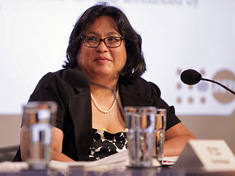
In the Sahel, one of the most food-stressed regions of the world, “women bear the brunt in terms of coping mechanisms that are employed at the community level,” says Sylvia Cabus, gender advisor for USAID’s Bureau for Food Security, in this week’s podcast.
-
Obama Highlights Long-Term Climate Security Threats, Releases Review of Federal Resources
›May 20, 2015 // By Schuyler Null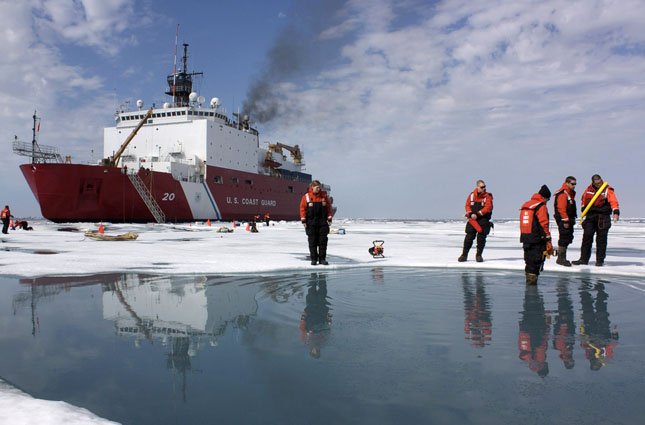
In a commencement speech at the U.S. Coast Guard Academy today, President Obama said “climate change constitutes a serious threat to global security, an immediate risk to our national security, and, make no mistake, it will impact how our military defends our country.”
-
Looking Beyond 2015: Promoting Years of Sustainability by Responding to Megatrends
›2015 is a major test for the international system. The Sustainable Development Goals are expected to be adopted in New York in September and expectations for the UN Climate Summit in Paris are higher than perhaps any other time. “It is a critical year,” said Alan Hecht, director for sustainable development for the U.S. Environmental Protection Agency, “but our challenge is years of sustainable development. How do we take actions today, how do we prepare for the future in such a way that we will achieve a more sustainable outcome?” [Video Below]
-
Cooperation Is Not Enough: Why We Need to Think Differently About Water
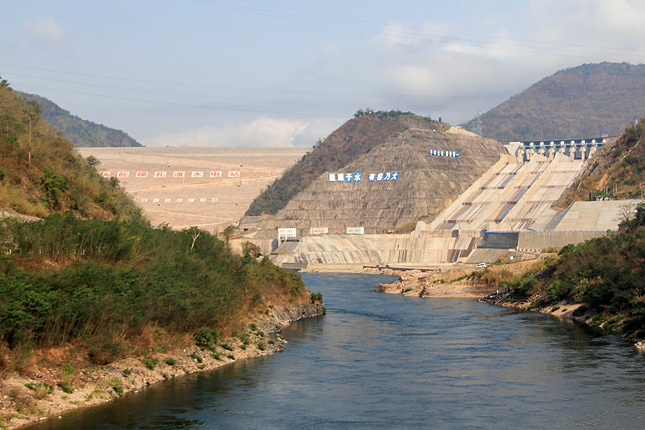
›In 2003, the United Nations General Assembly declared 2005 to 2015 to be the decade of “water for life” as a way to encourage countries to reach their water-related targets under the Millennium Development Goals. In summing up the last 10 years, it was noted that water cooperation had been promoted widely, featuring at international fora and in government initiatives and development agendas. Water cooperation is described as having the potential to enable peace and sustainable development. However, just as focusing on “water wars” might undermine the everyday challenges of securing safe and adequate supplies of water, focusing only on “more cooperation” may well simplify the problem at hand.
-
Swept Under the Carpet: The Psychological Side of Maternal Health
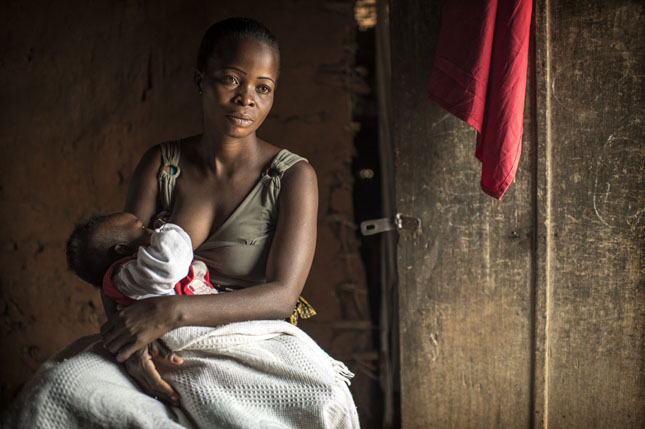
›In high-income countries, as many as 10 to 15 percent of women experience depression, anxiety, or other non-psychotic mental health challenges during pregnancy or the year after giving birth. In developing countries, the chances rise to 16 percent of pregnant women and 20 percent of post-natal women, according to Jane Fisher, professor of women’s health at Monash University in Melbourne, Australia. [Video Below]
-
The Role of the Private Sector in Solving Asia’s Environmental Emergency: Interview With Mark Clifford
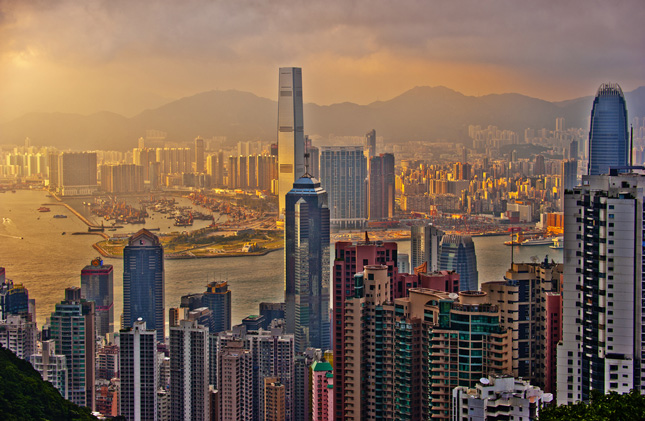
›From smoggy skies to rancid rivers and staggering slums, environmental challenges loom large for Asia. While much has been said about the role of government and NGOs in achieving a sustainable future, Mark Clifford, executive director of the Asia Business Council, believes companies are an indispensable but often overlooked part of the solution.
-
The Dark Side of Development: Displacement, Eviction in World Bank Projects and Ethiopia
›With the help of international aid, foreign land grabs in the Gambella region of Ethiopia have resulted in environmental degradation, more severe economic and social inequality, and human rights abuses, according to a new study by the Oakland Institute. We Say The Land Is Not Yours collects testimony from victims of “villagization,” a policy of forced displacement started under the military Derg dictatorship and, according to many, continued to this day under the guise of land investment. -
Will Tunisia’s Democracy Survive? A View from Political Demography
›May 12, 2015 // By Richard CincottaAmong the few bright spots in the 2015 Freedom in the World Report, the brightest may be Tunisia, which for the first time was assessed as “free” – Freedom House’s highest “freedom status” and for many political scientists the definitive indication of a liberal democracy. Tunisia is the only North African state to have been assessed as free since Freedom House began its worldwide assessment of political rights and civil liberties in 1972, and only the second Arab-majority state since Lebanon was rated free from 1974 to 1976.
 A Publication of the Stimson Center.