-
Pathways to Resilience: Evidence on Links Between Conflict Management, Natural Resources, and Food Security
›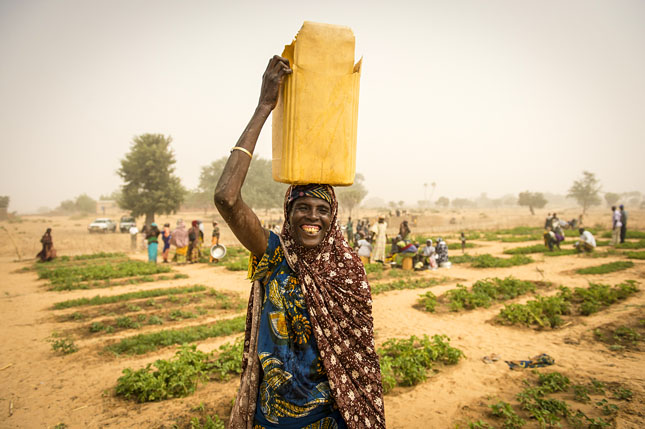
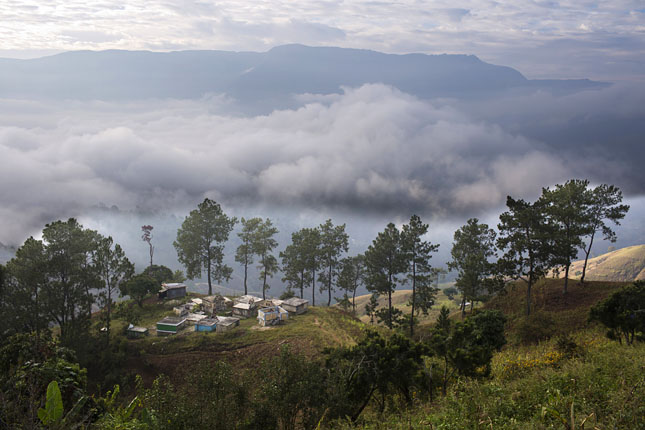
In 2015, the NGO Mercy Corps released some surprising findings from conflict management programs in the Horn of Africa. Interventions from 2013 to 2015 focused on building community-level cooperation, strengthening institutions, and enhancing resilience. The results indicate that natural resource management can be a key governance pillar to build around and that such cooperation can strengthen household resilience to climate and food security shocks. [Video Below]
-
Culture and Rights: The Struggle From Within to End Female Genital Cutting
›
Ashraf and Shazia use the word “guilt” often.* Their voices tremble as they rewind to the day when they read an article in an Indian magazine, Manorama, that opened their eyes to the reality of khatna – the practice of female genital mutilation among their community. “We felt guilt – immense, powerful guilt – when we realized that this was not needed, that we didn’t need to put our elder daughter through this,” the parents say. “We had no idea this was just going on, prevalent, generation after generation.”
-
Family Planning, Reproductive Health Crucial to Zika Response, Says Chloë Cooney
›“Zika has made a long-standing public health crisis impossible to ignore,” says Chloë Cooney, director of global advocacy at the Planned Parenthood Federation of America, in this week’s podcast. -
From Climate Challenge to Climate Hope: Embracing New Opportunities This Earth Day
›April 22, 2016 // By Roger-Mark De SouzaThis Earth Day, the United States, China, and Canada are among more than 170 countries expected to take part in the largest one-day signing of an international agreement in history. The ratification of the climate agreement hammered out at the Paris Conference of Parties (COP-21) last December could be the most significant elevation of environmental issues on the global stage yet.
-
Flint Offers Lessons on How Citizen Collaboration Can Hold Governments Accountable
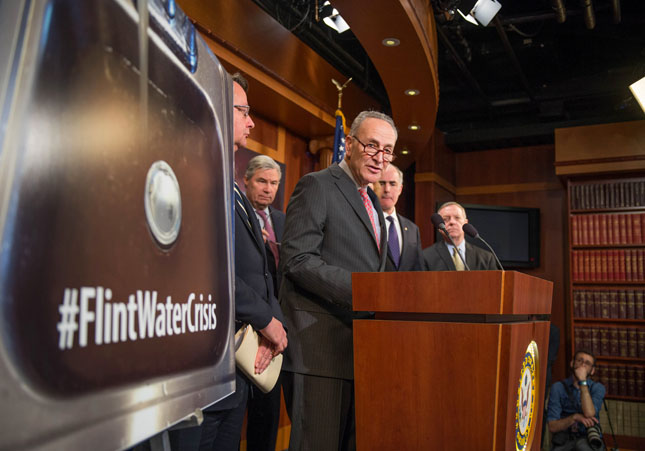
›A couple of weeks ago, the task force Michigan governor Rick Snyder appointed to investigate Flint’s now infamous water crisis issued its long-awaited report.
-
Can Citizen Science Help Small Communities Combat Big Fishing Fleets?
›This Earth Day weekend, the U.S. Department of State is hosting more than 2,000 coders in more than 40 cities to encourage creative thinking about technological solutions to ocean issues. The third annual Fishackathon could produce new tools for local communities to track long-distance fishing, a growing problem in some places, as China, in particular, scales up its efforts.
-
Changing the Narrative on Fertility Decline in Africa
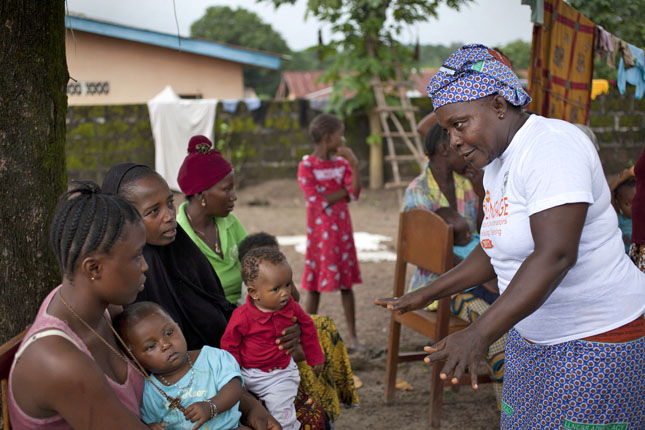
›Today, Africa has the world’s highest fertility rates. On average, women in sub-Saharan Africa have about five children over their reproductive lifetime, compared to a global average of 2.5 children. Research shows that the “demographic transition,” the name for the change from high death and fertility rates to lower death and eventually lower fertility rates, has proceeded differently here from other regions in the developing world.
-
Turning the Impending Mosul Dam Disaster Into Opportunity
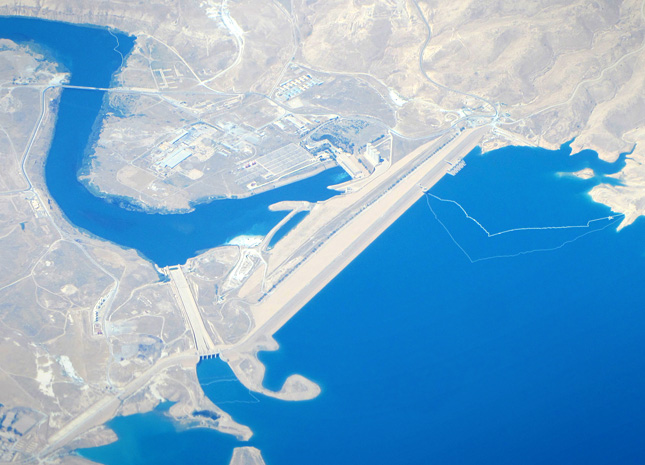
›Iraq has seen its share of calamities in recent years, but none is as dangerous as the impending failure of the Mosul Dam. A breach of the dam will result in a tsunami-like wave that sweeps through cities and hamlets along the Tigris River from Mosul to as far south as Amarah and even Basra. Baghdad would be submerged under five meters of water within four days. Not only do experts estimate the possible fatalities to range from 500,000 to more than 1 million, but consider the logistics of trying to provide electricity, drinking water, food, hospitals, transportation, and diesel for millions of people.
 A Publication of the Stimson Center.

 “Zika has made a long-standing public health crisis impossible to ignore,” says Chloë Cooney, director of global advocacy at the Planned Parenthood Federation of America, in this week’s podcast.