-
Why Feminism Is Good for Your Health
›
As a world still dominated by patriarchy struggles with a deadly pandemic, the countries that have successfully navigated the global COVID-19 pandemic are distinguished by the gender of their leadership. Across the world, countries headed by women and representing diverse cultures—from Germany, Norway, and Finland, to Taiwan, New Zealand, and Namibia—have managed the crisis more effectively, with fewer fatalities and less livelihood loss than others. But what distinguishes these health winners is not just the female shape of their leaders but the feminist shape of their societies. Even more gender-balanced societies headed by men—like Canada—do better in health crises than their less equitable peers like the United States. On the other hand, the most patriarchal countries headed by regressive strongmen do worse at every level of development. Today, we see this in Brazil, which until recently had managed health crises well under less masculinist leadership.
-
How Biodiversity Conservation Promotes Economic Growth in Latin America
›
What happens to economic output if we expand protected areas to 30 percent of land and sea worldwide? Anthony Waldron, the lead author of a new study about the economic benefits of land conservation, posed this question at a recent Wilson Center virtual event on the role of Latin America in global biodiversity conservation.
-
Sharon Guynup, Mongabay
Brazilian Amazon Drained of Millions of Wild Animals by Criminal Networks
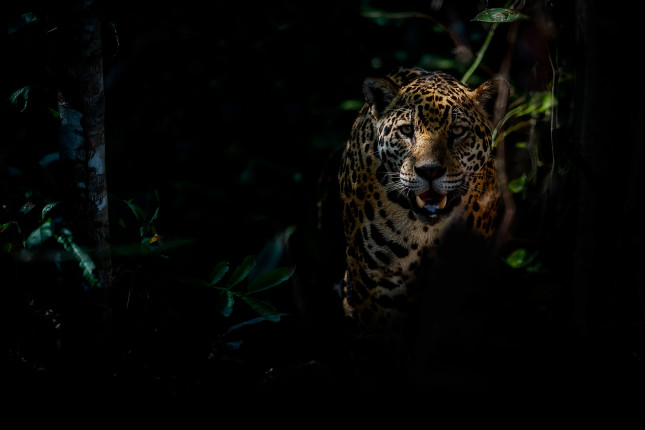
›August 18, 2020 // By Wilson Center StaffThe Brazilian Amazon is hemorrhaging illegally traded wildlife according to a new report released last month. Each year, thousands of silver-voiced saffron finches and other songbirds, along with rare macaws and parrots, are captured, trafficked and sold as pets. Some are auctioned as future contestants in songbird contests. Others are exported around the globe.
-
Unlikely Heroes: We Neglect Water and Sanitation Service Providers at Our Own Peril
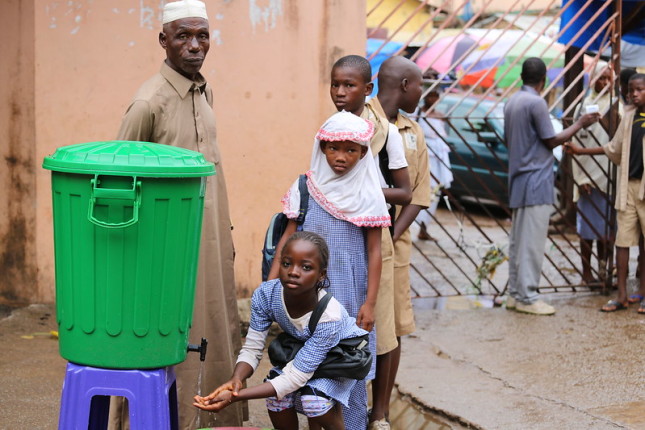
›Six months into the World Health Organization (WHO) declaration of COVID-19 as a global pandemic, many countries, including the United States, are still struggling to contain the spread of the virus which, as of this writing, has taken 744,649 lives globally. Before mask-wearing was recommended as the simplest and most effective defense against contagion, epidemiologists and public health experts recommended regular handwashing with soap and practicing social distancing as fundamental to curbing the spread of the COVID-19 virus. Briefly it appeared as if WASH (water, sanitation, and hygiene) services were actually being accorded the importance they deserved. The critical need for water for handwashing, the millions who lack regular supplies of both water and soap, and the difficulties of social distancing in settlements where thousands share a single toilet with no soap were finally headline news.
-
The Top 5 Posts of July 2020
›The U.S. Agency for International Development revamped its Water Office this spring, renaming it the Center for Water Security, Sanitation, and Hygiene, and adding it to the Bureau for Resilience and Food Security. In this month’s top post, Stephanie Cappa and Sarah Davidson highlight the importance of this shift for elevating water security as a central development issue, and call for increased attention and support to build more resilience and sustainability into food and water systems.
-
Nine Dragons Rule the Waters: Closing the Loop on China’s Water Pollution (Report Launch)
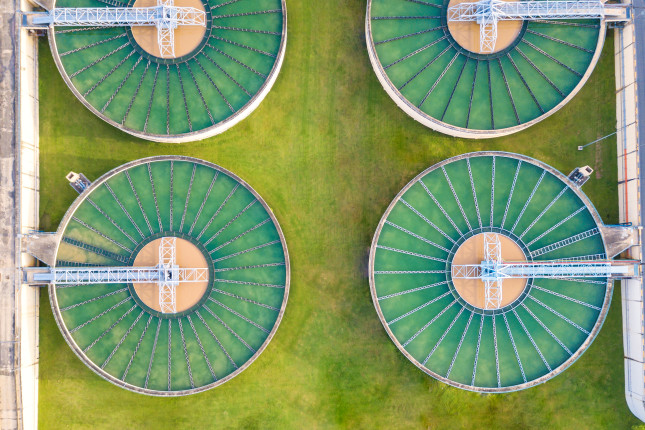
›The Chinese government is fighting a war on pollution on multiple fronts to protect its air, water, and soil. Despite passage of the stringent Water Ten Plan in 2015, water quality still has not met anticipated targets in one-third of the country. But one Chinese pollution control success story was Beijing’s investments in municipal wastewater treatment plants in the run up to the 2008 Olympics.
-
Debt on the Nile? Sharing Rivers on the African Continent
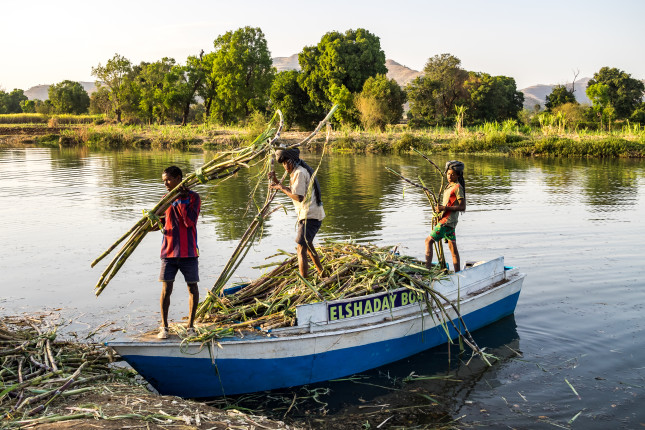
›Trouble is brewing on the Nile. For years, use of the river was mainly about the needs of Egypt, by far the largest and most powerful riparian country in the basin. But since the Arab Spring of 2011, the situation has changed considerably. Egypt’s troubles over the last decade have weakened its ability to project power southward, while upper riparian states—Ethiopia in particular—have enjoyed a period of economic growth and relative stability, which has led them to look at the great river as an important national resource. Tensions have come to a head since Ethiopia announced the construction of the Grand Ethiopian Renaissance Dam (GERD), construction of which is now almost complete. Once full, the resulting reservoir will be larger than the whole of Greater London. Much of the water it holds would have previously reached Sudan and Egypt largely unhindered.
-
To Understand How Disasters Relate to Conflict and Peace, Reframe the Starting Point
›Is the world doomed to be ever-more tumultuous? For years, headlines have suggested that climate change causes or acts as a threat multiplier for violent conflicts. For example, climate change-influenced drought has been labeled a cause of the Syrian conflict and the war in Darfur. Natural hazard-related disasters (“disasters”) like earthquakes that are not related to climate change have also been connected to an increased risk of violent social conflict and political instability. The narratives are often that disasters displace people who then put pressure on already-strained resources and infrastructure in receiving areas, and that disaster-stricken people fight over limited resources in their struggle for survival.
 A Publication of the Stimson Center.