-
The Top 5 Posts of August 2020
›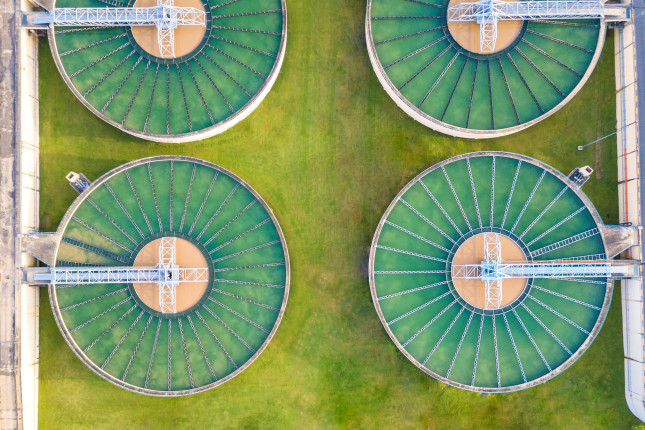
As Beijing prepares to host the 2022 Winter Olympics, China’s environmental activities are once again on center stage. The Wilson Center’s China Environment Forum took the top spot this month with Karen Mancl and Richard Liu’s coverage of the new program report, “Closing the Loop on China’s Water Pollution,” which details what China can learn from New York, Washington, D.C., and Singapore, to advance its wastewater and carbon reduction targets.
-
Meeting Women’s Modern Contraceptive Needs Could Yield Dramatic Benefit
›
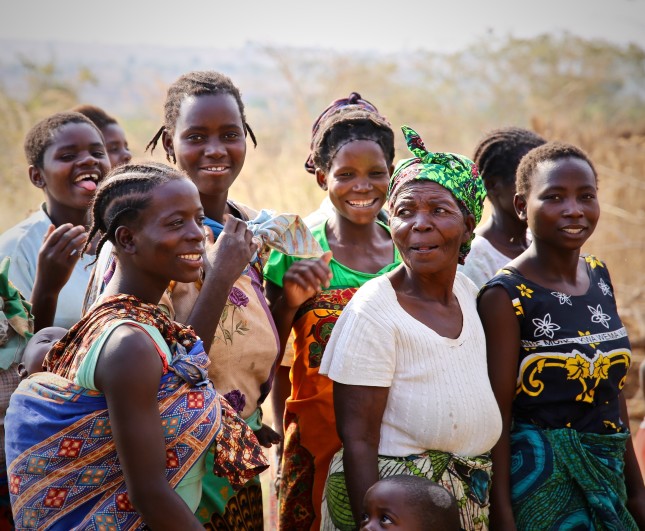
“Achieving true progress on sexual and reproductive health and rights requires a comprehensive approach and a commitment to tackling deeply entrenched inequities and injustices of which marginalized communities continue to bear the brunt,” said Dr. Herminia Palacio, President and CEO of the Guttmacher Institute. She spoke at a recent Wilson Center event where speakers analyzed findings from the Guttmacher Institute on the state of sexual and reproductive health and rights (SRHR) globally.
-
Turning off the Tap: Plastic Sachets and Producer Responsibility in Southeast Asia
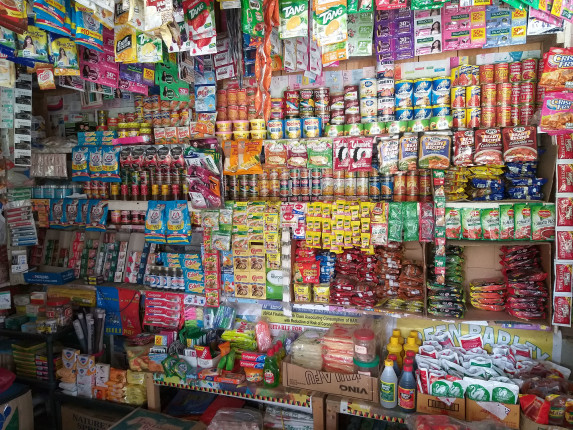
›In the crowded capital city of Manila, the Philippines, one quarter of the population of 15 million people has less than one dollar to spend per day. Residents depend upon the tiny and ubiquitous convenience stores, known as sari-sari stores, for daily essentials like food and hygiene products, much of which are sold in convenient single-use sachets (small plastic pouches) for just a few cents each. These sari-sari stores are the major source of the 150 million sachets used daily in the Philippines.
-
In COVID’s Wake: How to Revive Urban Mass Transit
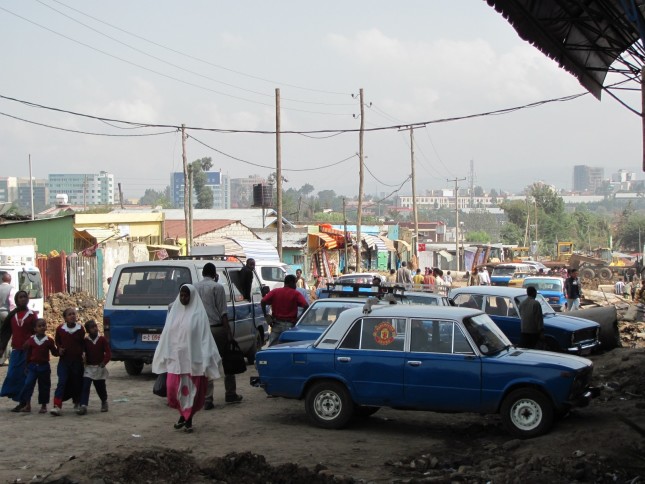
›Covid-19 // Guest Contributor // September 1, 2020 // By Gretchen De Silva, Chris Upchurch & Gad PerryThe COVID-19 pandemic could lead to the death of mass transit. Few victims of COVID-19 were infected aboard mass transit, according to recent research. Yet ridership on urban mass transport has fallen sharply during the pandemic. In some places, such as Wuhan, China, the government shut mass transport down. In other places, the public stayed away. For example, New York City’s Metro-North commuter line reported a 95 percent COVID-19-related decrease in riders. Bus systems, which often disproportionally serve poorer riders who cannot work from home, have seen marked but less extreme drops in ridership.
-
Where the Oil Runs Deep, Water Turns Foul
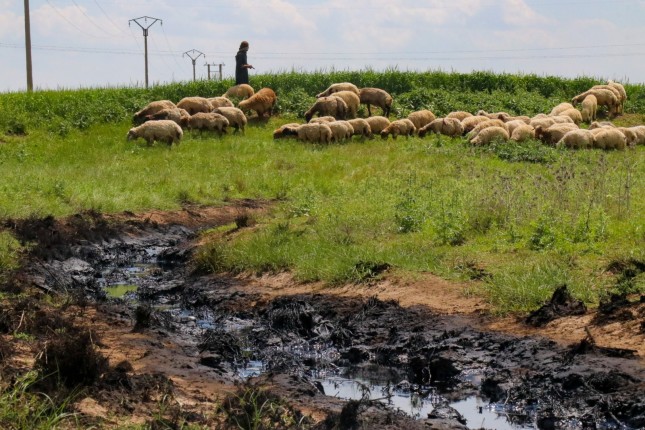
›When Farhad Ahma returned to his native country last year on a work trip, his first thought was of his small daughter back home. The air around him was so thick with pollution, he couldn’t imagine she would survive the climate in this region of northeastern Syria. Ahma himself struggled to breathe almost as soon as he arrived, nauseated by the heavy smell within a couple hours. He was born and raised nearby, in a city called Qamishli, but he had lived in Berlin for some time now. Returning was a shock to his system.
-
Tensions Surrounding the Grand Ethiopian Renaissance Dam: A Wilson Center NOW Interview with Aaron Salzberg
›Dams can be a double-edged sword, said Aaron Salzberg, a Wilson Center Global Fellow, Director of the Water Institute at the University of North Carolina, and former Special Coordinator for Water Resources for the U.S. Department of State. He spoke in a recent episode of Wilson NOW about the Grand Ethiopian Renaissance Dam, which will become Africa’s largest hydroelectric dam, once it’s fully operational.
-
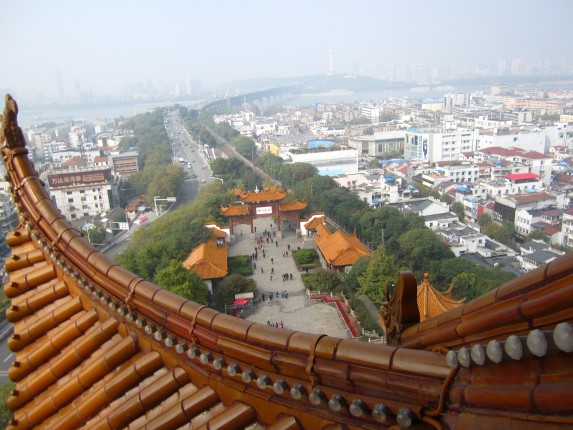
Is a Green Recovery Possible for Post-COVID Cash-Strapped and Flooded Wuhan?
›Some older Wuhan residents still talk about paddling across the city in their boats, traversing the 100-plus lakes that were once connected by a network of canals. This once-leisurely activity takes on different meaning today as citizens navigate some of the worst floods in decades. Hubei Province, where Wuhan is the capital, is among the 27 central and southern Chinese provinces affected by floods that have caused CNY 86 billion (USD $12.3 billion) in nationwide economic losses in June and July of this year.
-
Why Feminism Is Good for Your Health
›As a world still dominated by patriarchy struggles with a deadly pandemic, the countries that have successfully navigated the global COVID-19 pandemic are distinguished by the gender of their leadership. Across the world, countries headed by women and representing diverse cultures—from Germany, Norway, and Finland, to Taiwan, New Zealand, and Namibia—have managed the crisis more effectively, with fewer fatalities and less livelihood loss than others. But what distinguishes these health winners is not just the female shape of their leaders but the feminist shape of their societies. Even more gender-balanced societies headed by men—like Canada—do better in health crises than their less equitable peers like the United States. On the other hand, the most patriarchal countries headed by regressive strongmen do worse at every level of development. Today, we see this in Brazil, which until recently had managed health crises well under less masculinist leadership.
 A Publication of the Stimson Center.