-
Zambian Women Take the Lead in Adapting Food Systems to Climate Change
›
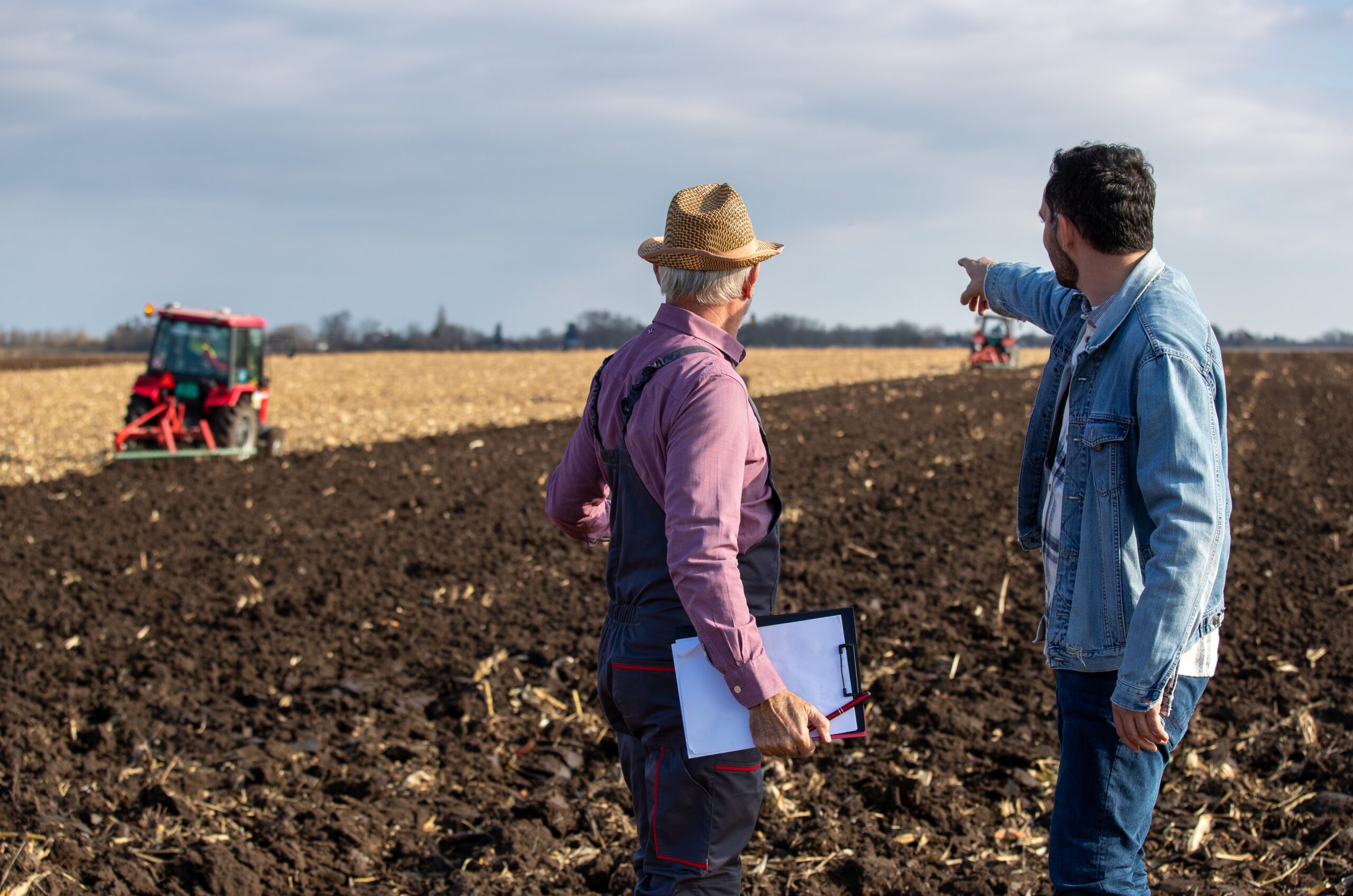
Women play vital roles as actors and innovators in food systems worldwide. In many societies, they are the primary food producers, accounting for between 60% and 80% of the national food stock. Women are also deeply engaged in other stages of the food value chain, from processing to consumption. Their multiple roles provide them with specific abilities that strengthen food systems during times of crisis.
-
Environmental Security Weekly Watch: October 27-31, 2025
›
A window into what we’re reading at the Stimson Center’s Environmental Security Program
Revisions to Indonesian Law Promote Unregulated Mining (The Diplomat)
Since gold was discovered in 2011 on Mount Botak in Indonesia, thousands of miners have flocked to the area without official permits. It is an influx which has transformed this northeastern region from an agricultural center into a hub of small-scale, unregulated mining. Uncontrolled use of mercury and cyanide has severely polluted local rivers, with mercury levels in the Waekase River reaching 0.05 mg/L—or 50 times the WHO’s safety threshold. Yet despite the government’s move to close the mine in 2015, illegal activity continues. Ineffective law enforcement has caused ecosystem destruction, public health threats (including neurological disorders and kidney damage) and deadly conflicts between residents.
-
Climate Insecurity Comes for Europe
›October 30, 2025 // By Peter SchwartzsteinWhen we look at climate-related insecurity, it’s usually in the context of poorer parts of the planet. And there’s generally good reason for that focus. Regions such as the Sahel and the Middle East are where the most––and worst––conflict of this nature plays out. And, for the most part, poorer countries are also the places least equipped to manage climate impacts and their effects on stability.
-
Addressing Africans’ Top Concerns Means Advancing Women’s Rights
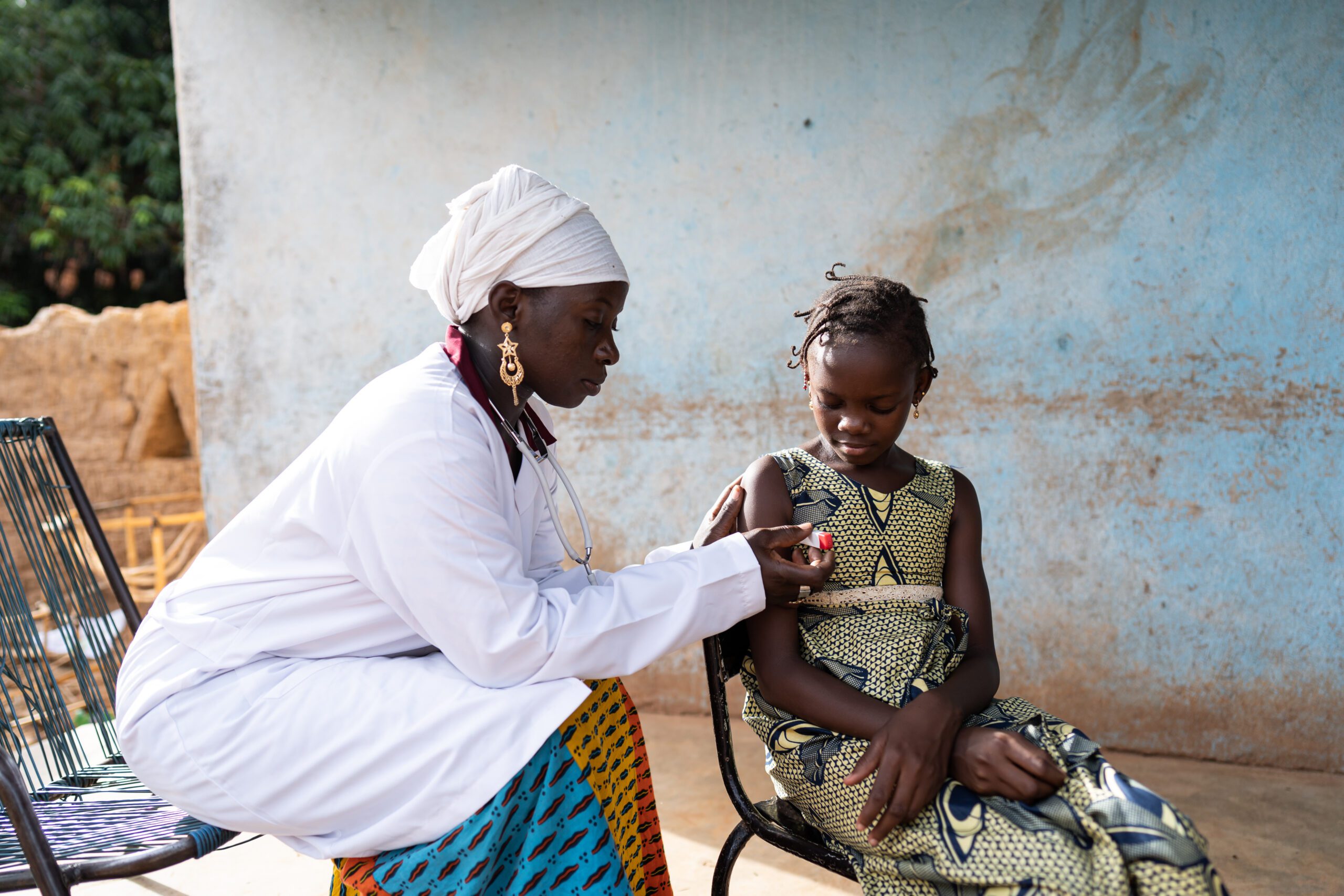
›October 29, 2025 // By Claire DoyleFrom Kenya to Morocco to Madagascar, waves of protest have erupted across Africa. Africans—and especially young Africans—have grown increasingly frustrated with a lack of economic opportunities.
So, it is no surprise that when Afrobarometer, a pan-African, non-partisan survey research organization, asked people across 39 African countries which issues they think their governments should prioritize, people ranked unemployment as the top policy priority.
-
Environmental Security Weekly Watch: October 20-24, 2025
›US Resistance Delays Vote on Shipping Decarbonization Rules (Mongabay)
The International Maritime Organization (IMO) has voted 57-49 to postpone the adoption of the “net-zero framework” until October 2026. As the shipping sector’s first binding deal on global greenhouse gas emissions, the agreement would have established progressively stricter intensity limits starting in 2028. The framework also imposed substantial fees for noncompliance, with high emitters facing up to $1.5 million in additional annual fees by 2035 that could raise fuel costs by roughly 20%. Low-emission vessels would be rewarded with tradable carbon allowances.
-
Environmental Security Weekly Watch: October 13-17, 2025
›A window into what we’re reading in the Stimson Center’s Environmental Security Program
Assessment of UNESCO Sites Reveals Climate Impacts (Mongabay)
Initial data from the first ever global biodiversity and climate assessment indicates that 98% of UNESCO’s 2,200+ World Heritage Sites, Biosphere Reserves, and Geoparks have experienced at least one climate-related extreme event since 2000, including massive wildfires, droughts, and retreating glaciers. The effort to track such effects will now be augmented by UNESCO’s new Sites Navigator, a geospatial platform that integrates over 40 datasets to track climate impacts, biodiversity loss, and socioeconomic conditions in real time.
-
Environmental Security Weekly Watch: October 6-10, 2025
›A window into what we’re reading at the Stimson Center’s Environmental Security Program
“Intractable” systemic problems mean carbon offsets fail to cut global heating (The Guardian)
A recent review of 25 years of evidence found that carbon credit quality issues stem from deep-seated structural flaws, and not isolated cases of fraud. Researchers point to four major flaws that undermine most carbon offset projects. The worst problems include issuing credits for already-planned projects, impermanent solutions (forests that later burn), incidences of leakage (such as protecting one forest area while pushing logging elsewhere), and double-counting which allows both seller and buyer to claim the same emission reduction.
-
China’s Belt and Road in Pakistan: What CPEC Leaves Behind
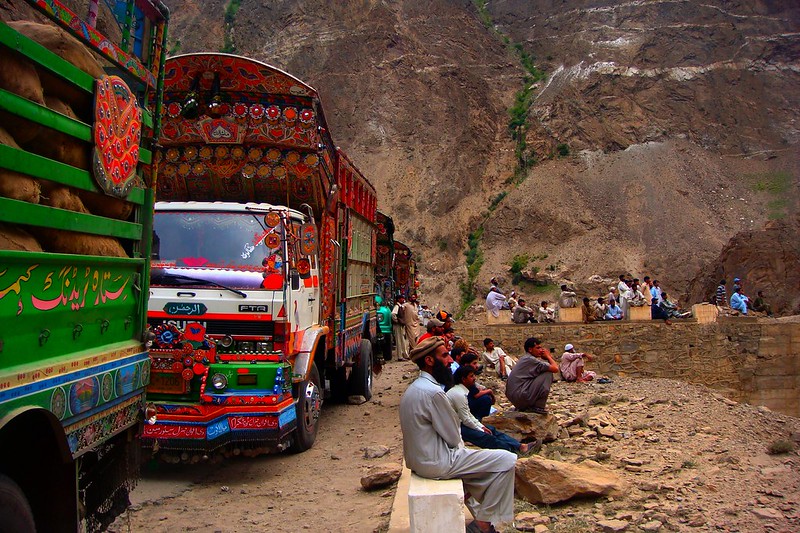
›Launched in 2013, China’s Belt and Road Initiative (BRI) has drawn wide global attention, with scholars and policymakers examining its geopolitical and economic implications. Much less explored, however, are the subnational impacts of BRI in participating countries. The China Pakistan Economic Corridor (CPEC), adopted as Pakistan’s flagship BRI project in 2015, offers a case in point.
 A Publication of the Stimson Center.