-
Food Access and the Logic of Violence During Civil War
›
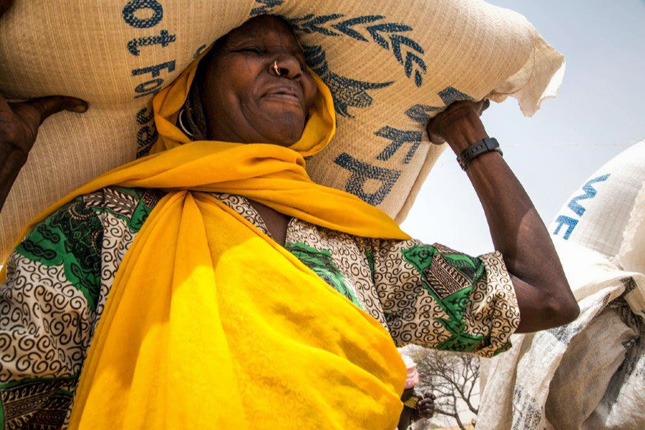
In 1981, Nobel Laureate Amartya Sen noted that “starvation is the characteristic of some people not having enough food to eat. It is not the characteristic of there being not enough food to eat.” Sen was referring to the idea that hunger is not always related to food supply; even in places where ample food exists, many people do not have regular access to it. Yet, more than three decades later, research into the effects of agriculture on armed conflict is still focused much more on the former than the latter.
-
Violence and Water Scarcity Threaten Historic Quadruple Famine
›
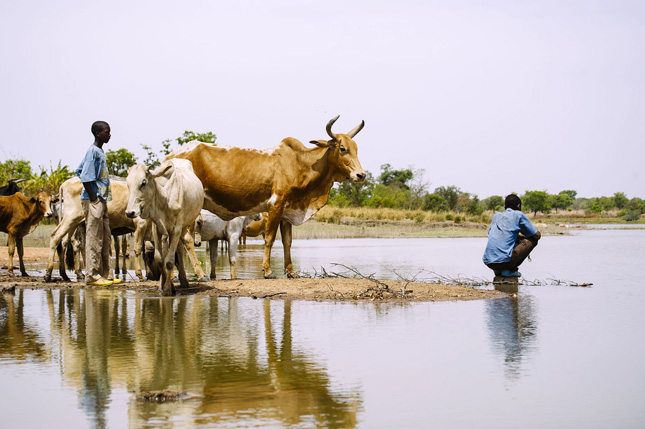
An international food crisis is currently unfolding on a scale not seen since World War II. More than 20 million people in Somalia, Nigeria, South Sudan, and Yemen are in danger of famine. UN Under-Secretary-General and Emergency Relief Coordinator Stephen O’Brien said in March, “We are facing the largest humanitarian crisis since the creation of the United Nations.”
-
Insights on Ending Famine and Creating Food Security in a Changing World
›The effects of climate change combined with breakdowns in governance are leading to food insecurity “on a scale that we’ve rarely seen,” said Alex de Sherbinin, associate director of Columbia University’s Center for International Earth Science Information Network, at the Wilson Center on January 26.
-
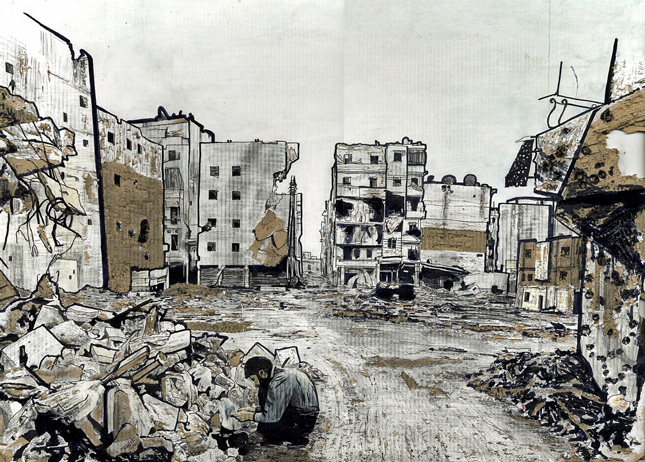
Wartime Public Health Crises Cause More Deaths Than Weapons, So Why Don’t We Pay More Attention?
›In 2004 I was honored to be interviewed for The Lancet medical journal’s “Lifeline” series. I had just come away from a disastrous short tenure as the interim minister of health in Iraq following the 2003 war. I had support from former Secretary of State Colin Powell to rapidly mitigate and recover the war-related destruction of essential public health infrastructure and protections required as occupiers under Articles 55 and 56 of the Geneva Conventions that follow every war.
-
Masculinity Under the Microscope: Better Accounting for Men in Climate Adaptation
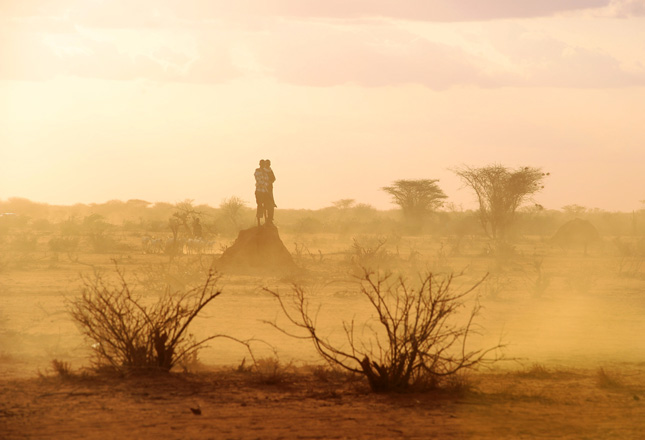
›December 13, 2016 // By Anam Ahmed“Before the famine my life was better. I was a man in my own country,” Abdi Abdullahi Hussein, a Somali refugee living in Kenya, tells The Climate Reality Project. “When you have livestock and a farm and it all disappears, it feels like falling off a cliff.”
-
White House Announces Steps to Address Climate and National Security Alongside New Intelligence Assessment
›Yesterday afternoon President Obama announced a new Presidential Memorandum on climate change and national security. The policy directs 20 federal agencies to consider the national security implications of climate change and establish a working group that will develop a Climate Change and National Security Action Plan for the federal government.
-
After Conflict, Peacebuilding and Recovery Efforts Too Often Miss the Environment
›In June 2010, The New York Times published a front page story trumpeting a Pentagon announcement of roughly $1 trillion worth of mineral resources in Afghanistan. Officials said the discovery was “far beyond any previously known reserves and enough to fundamentally alter the Afghan economy and perhaps the Afghan war itself.” Then-President Hamid Karzai soon inflated the figure to $3 trillion and then again to $30 trillion, enough to transform the country into the “Saudi Arabia of lithium.”
-
Why East Africa’s Refugee Crises Can No Longer Be Ignored
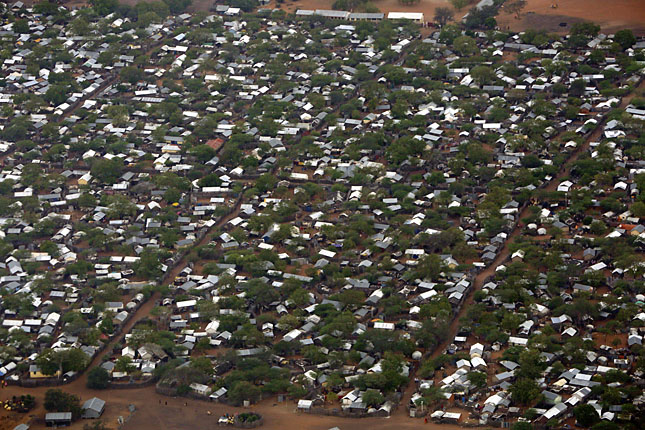
›Citing security concerns, the government of Kenya recently announced their intent to close the world’s largest refugee complex, Dadaab, after almost 25 years. [Video Below]
Showing posts from category Somalia.