• woodrow wilson center
  • ecsp

New Security Beat

Subscribe:
  • rss
  • mail-to
  • Who We Are
  • Topics
    • Population
    • Environment
    • Security
    • Health
    • Development
  • Columns
    • China Environment Forum
    • Choke Point
    • Dot-Mom
    • Friday Podcasts
    • Navigating the Poles
    • Reading Radar
  • Multimedia
    • Water Stories (Podcast Series)
    • Backdraft (Podcast Series)
    • Tracking the Energy Titans (Interactive)
  • Films
    • Water, Conflict, and Peacebuilding (Animated Short)
    • Paving the Way (Ethiopia)
    • Broken Landscape (India)
    • Scaling the Mountain (Nepal)
    • Healthy People, Healthy Environment (Tanzania)
  • Publications
  • Events
  • Contact Us

NewSecurityBeat

The blog of the Wilson Center's Environmental Change and Security Program
Showing posts from category Pakistan.
  • Water and Security Hotspots to Watch in 2016 [Infographic]

    ›
    Eye On  //  February 15, 2016  //  By Gracie Cook
    water-conflict-hotspots-201

    The ongoing violence in Syria exhibits the potential for water problems – a historic drought, in this case – to exacerbate existing social and political problems and contribute to humanitarian crises. In a recently released infographic, Circle of Blue combined data from the European Commission Joint Research Center’s Global Conflict Risk Index and the World Resources Institute’s Aqueduct Water Risk Atlas to identify 10 hotspots around the world where water “could play a role in developing or exacerbating humanitarian crises” in 2016.

    MORE
  • Islands in Paris: New Climate Deal Gives Some Recognition to Humanity’s Truth Bearers

    ›
    December 16, 2015  //  By Roger-Mark De Souza
    Male-Maldives

    The new climate deal coming out of Paris commits governments to hold the rise in average global temperatures to “well below” two degrees Celsius compared to preindustrial levels. An important dimension of this agreement calls for subsequent work on limiting the increase to 1.5 degrees. This is an important win for islands and other low-lying countries, and for humanity.

    MORE
  • Michael Kugelman, Foreign Affairs

    4 Myths About Climate Change in South Asia

    ›
    December 9, 2015  //  By Wilson Center Staff
    Trees cocooned in spiders webs, an unexpected side effect of the

    The original version of this article, by Michael Kugelman, appeared on Foreign Affairs.

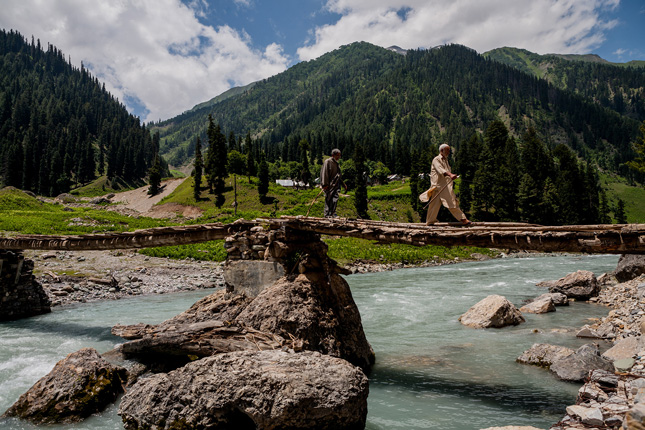
    Climate change is a very real threat. It will have major implications for every country and region in the world, but South Asia is particularly vulnerable. To appropriately address the challenges there, the world will have to confront four misconceptions about climate change in South Asia. With world leaders convening in Paris to hash out a new agreement on climate change, now is the right time to do it.

    MORE
  • The U.S. Asia-Pacific Rebalance, National Security, and Climate Change (Report Launch)

    ›
    From the Wilson Center  //  December 8, 2015  //  By Schuyler Null & Deepshri Mathur
    Pacific Fleet Papua New Guinea

    In the hierarchy of global and national security challenges, climate change comes out near the top, said a panel of distinguished defense, diplomacy, and intelligence leaders at the Wilson Center on November 17. [Video Below]

    MORE
  • Priyali Sur, Foreign Policy

    South Asian Environmental Migrants Pushed to Back of Line in Refugee Flood

    ›
    November 26, 2015  //  By Wilson Center Staff
    refugee camp Germany

    The original version of this article, by Priyali Sur, appeared on Foreign Policy.

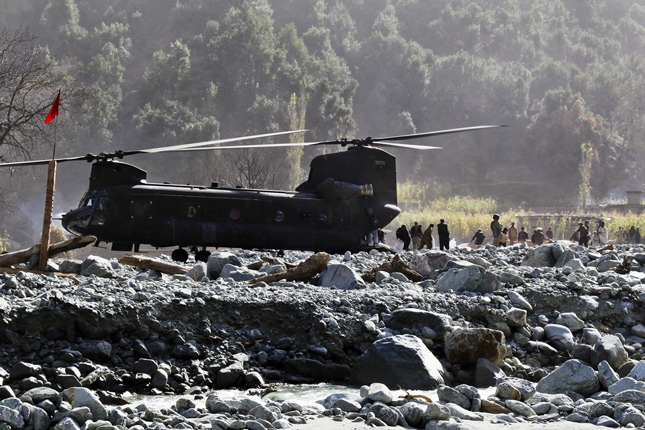
    The dark eyes and hair of the Pakistanis, Bangladeshis, and Afghans almost blend with the other migrants’. The brown skin tones are also not giveaways, but ask them where they come from, and you notice the hesitation – trying hard to blend into the crowd of Syrian migrants at Europe’s border crossings, afraid of being spotted and sent back.

    MORE
  • Previewing the Next Generation of Global Maternal and Newborn Health Programs in Mexico City

    ›
    Dot-Mom  //  October 9, 2015  //  By Sandeep Bathala
    Afghan mother

    The Global Maternal Newborn Health Conference, held in Mexico City from October 18-21, will provide a forum to identify, understand, and respond to the most urgent health needs of mothers and newborns. The hope is that it will accelerate momentum for maternal and newborn health in the newly adopted Sustainable Development Goals and put us on a track to end all preventable maternal and newborn deaths.

    MORE
  • Climate Data Can be Critical in Fragile and Conflict-Affected States – Here’s How to Get It

    ›
    October 5, 2015  //  By Schuyler Null
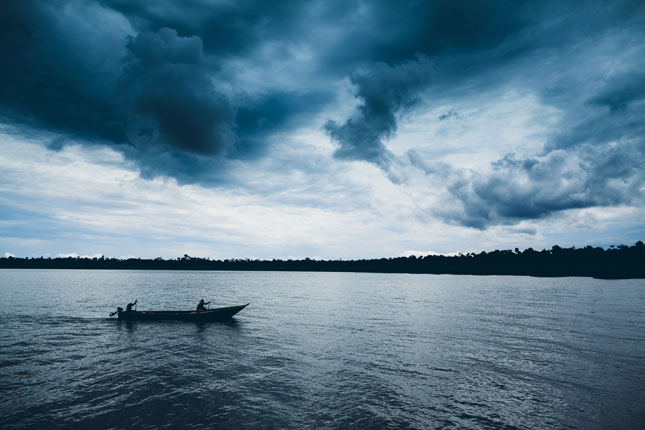
    Lebanon storm

    When war breaks out, what happens to the weather forecast? Violent conflict disrupts many essential services in developing countries and one of the most overlooked is meteorology, which has surprisingly big consequences for farmers, policymakers, and the aid workers who are there to help.

    MORE
  • Pakistan’s Maternal and Child Health Problems “Huge Stumbling Block” to Development, Long-Term Security

    ›
    Dot-Mom  //  From the Wilson Center  //  September 21, 2015  //  By Schuyler Null

    In the long term, improving maternal and child health is as critical to national security as any problem in Pakistan today, said a panel of experts including Minister of National Health Services Saira Afzal Tarar at the Wilson Center on September 9.

    MORE
Newer Posts   Older Posts
View full site

Join the Conversation

  • RSS
  • subscribe
  • facebook
  • G+
  • twitter
  • iTunes
  • podomatic
  • youtube
Tweets by NewSecurityBeat

Trending Stories

  • unfccclogo1
  • Pop at COP: Population and Family Planning at the UN Climate Negotiations

Featured Media

Backdraft Podcast

play Backdraft
Podcasts

More »

What You're Saying

  • Volunteers,At,The,Lagos,Food,Bank,Initiative,Outreach,To,Ikotun, Pan-African Response to COVID-19: New Forms of Environmental Peacebuilding Emerge
    Rashida Salifu: Great piece 👍🏾 Africa as a continent has suffered this unfortunate pandemic.But it has also...
  • A desert road near Kuqa An Unholy Trinity: Xinjiang’s Unhealthy Relationship With Coal, Water, and the Quest for Development
    Ismail: It is more historically accurate to refer to Xinjiang as East Turkistan.
  • shutterstock_1779654803 Leverage COVID-19 Data Collection Networks for Environmental Peacebuilding
    Carsten Pran: Thanks for reading! It will be interesting to see how society adapts to droves of new information in...

What We’re Reading

  • Rising rates of food instability in Latin America threaten women and Venezuelan migrants
  • Treetop sensors help Indonesia eavesdrop on forests to cut logging
  • 'Seat at the table': Women's land rights seen as key to climate fight
  • A Surprise in Africa: Air Pollution Falls as Economies Rise
  • Himalayan glacier disaster highlights climate change risks
More »
  • woodrow
  • ecsp
  • RSS Feed
  • YouTube
  • Twitter
  • Facebook
  • Home
  • Who We Are
  • Publications
  • Events
  • Wilson Center
  • Contact Us
  • Print Friendly Page

© Copyright 2007-2021. Environmental Change and Security Program.

Woodrow Wilson International Center for Scholars. All rights reserved.

Developed by Vico Rock Media

Environmental Change and Security Program

Woodrow Wilson International Center for Scholars

Ronald Reagan Building and International Trade Center

  • One Woodrow Wilson Plaza
  • 1300 Pennsylvania Ave., NW
  • Washington, DC 20004-3027

T 202-691-4000