-
After Mexico City and Before Copenhagen: Keeping Our Promise to Mothers and Newborns
›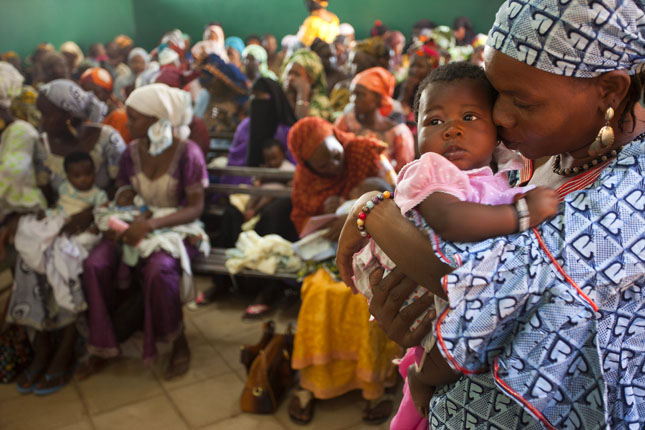
Last October, on the heels of the UN General Assembly agreeing to the Sustainable Development Goals, the global health community met in Mexico City to discuss strategy for achieving the “grand convergence”: finally bridging the gap between maternal and newborn health in rich and poor countries. [Video Below]
-
Mariam Claeson: Quality, Not Quantity of Care for Maternal and Child Health
› “It’s not about counting how many times a mother interacts with antenatal services or comes to the facility,” says Dr. Mariam Claeson, the director of maternal newborn and child health at the Bill and Melinda Gates Foundation, in this week’s podcast. “But it’s what happens in these encounters that matters.”
 -
Carlos Manuel Rodriguez, Human Nature
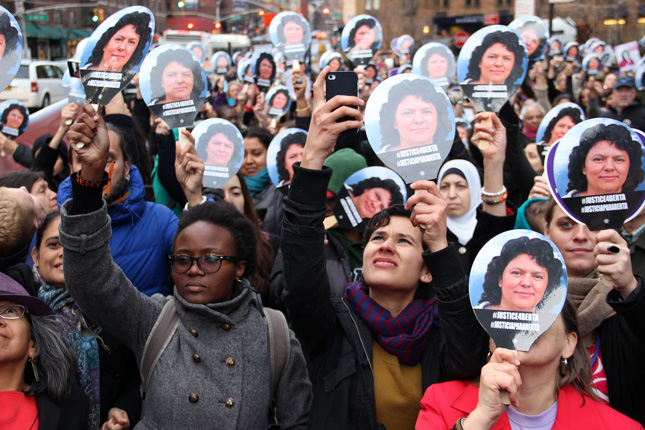
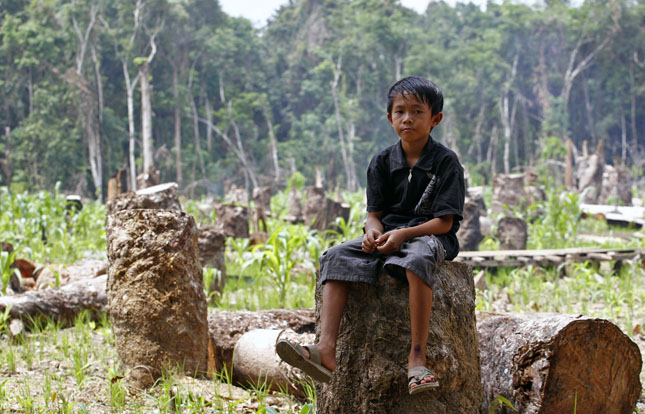
Murders of Environmental Activists Reflect Chronic Clashes Over Resource Use
›April 4, 2016 // By Wilson Center StaffWhen I heard of the horrific murder of Berta Cáceres, a Honduran environmental activist who had spent years fighting to protect her community’s traditional lands, I was shocked – though perhaps I shouldn’t have been.
-
Climate Change Adaptation and Population Dynamics in Latin America and the Caribbean (Report)
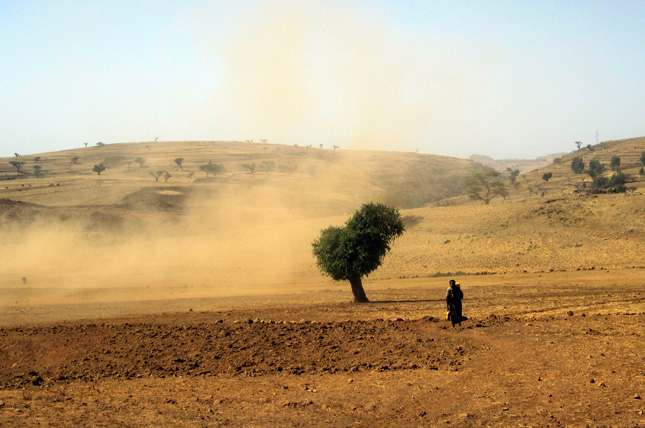
›Global climate trends indicate that our planet will continue warming into the next century, leading to more extreme climate conditions. The Latin America and Caribbean region is vulnerable to some of the most challenging aspects of climate change – sea-level rise, changes in precipitation, glacial melting, spreading of disease, and extreme weather events.
-
Previewing the Next Generation of Global Maternal and Newborn Health Programs in Mexico City
›The Global Maternal Newborn Health Conference, held in Mexico City from October 18-21, will provide a forum to identify, understand, and respond to the most urgent health needs of mothers and newborns. The hope is that it will accelerate momentum for maternal and newborn health in the newly adopted Sustainable Development Goals and put us on a track to end all preventable maternal and newborn deaths.
-
Heather McGray & Kathleen Mogelgaard, World Resources Institute
Not Just Mitigation: National Climate Plans Raise Adaptation’s Profile
›August 13, 2015 // By Wilson Center StaffAs the world prepares for a pivotal climate conference in Paris this December, countries are offering their national plans to tackle a changing climate. These plans, known as intended nationally determined contributions (INDCs), contain details of what each country is prepared to do as part of a new global climate agreement. While the public focus is often on mitigation – how much countries are willing to reduce emissions, by when, and with what degree of transparency – adaptation to the impacts of climate change demands the same level of attention. In fact, the last round of international climate talks in Lima invited parties to include adaptation in their INDCs.
-
Who Benefits From REDD+? Lessons From India, Tanzania, and Mexico
›REDD+, a global framework designed to reward governments for preserving forests, has pledged nearly $10 billion to developing countries. But minorities, indigenous people, the poor, and other marginalized groups that live in forest areas often end up paying more than their fair share of the costs of environmental cleanup and conservation while getting less in return. What can be done to change this?
-
The Hillary Doctrine: Sex and American Foreign Policy (Book Launch)
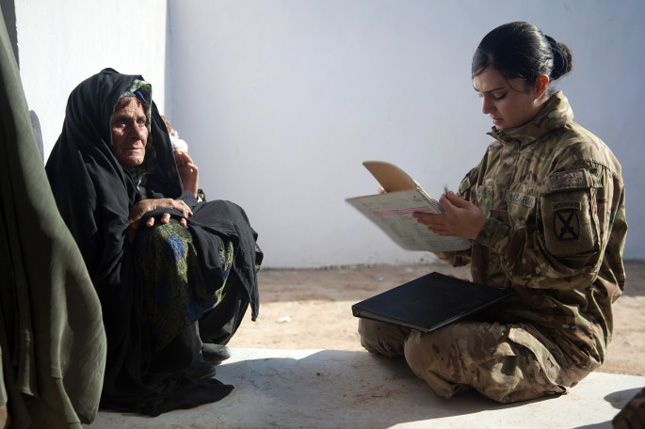
›When Valerie Hudson evaluates the strength of a nation, whether food security, wealth, peacefulness, or quality of governance, she finds one important thread that underlies it all. “One of the most important factors in the determination of these things is in fact the situation, and security, and status of women,” said Hudson at the Wilson Center on June 24. [Video Below]
Showing posts from category Mexico.
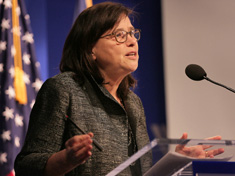 “It’s not about counting how many times a mother interacts with antenatal services or comes to the facility,” says Dr. Mariam Claeson, the director of maternal newborn and child health at the Bill and Melinda Gates Foundation, in this week’s podcast. “But it’s what happens in these encounters that matters.”