-
John Furlow on Better Coordination for Better Climate Adaptation
› “We [need to] stop treating ‘adaptation’ like a sector,” says John Furlow, climate change specialist at the U.S. Agency for International Development (USAID), in this week’s podcast, “but start treating it as a stress or a risk that undermines the development sectors, the environmental sectors, the social sectors that we care about.”
 -
Sally Edwards on Health and Climate Change in the Caribbean: “It’s a Very Complex Web”
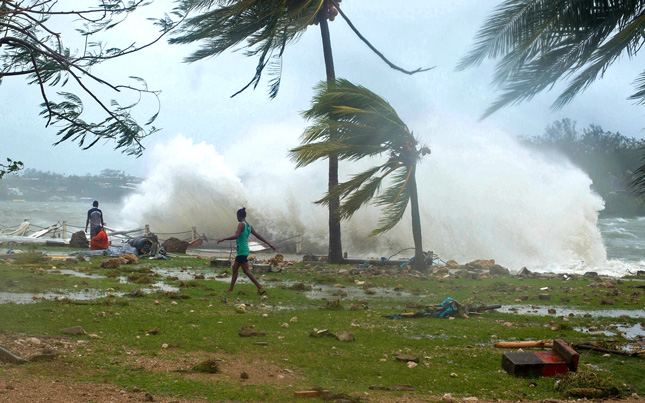
›“The relationship between human health…and environmental changes is extremely complex,” says Sally Edwards, advisor for sustainable development and environmental health of the Pan-American Health Organization/World Health Organization office for the eastern Caribbean countries, in this week’s podcast. -
Roger-Mark De Souza: Focus on Urban Dynamics, Water Scarcity in Latin America and the Caribbean
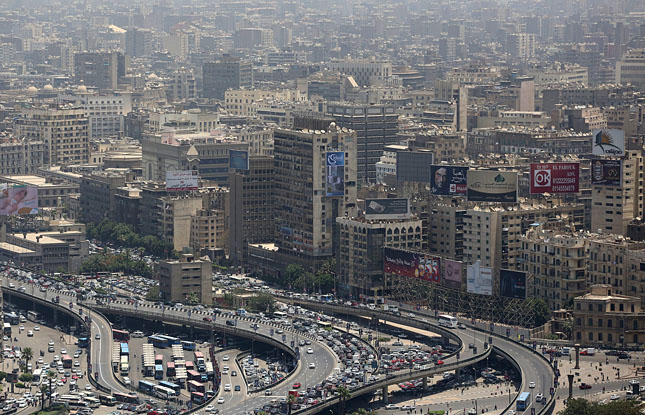
›For the past four decades, urbanization in Latin American and Caribbean countries has been on the rise. Today it’s one of the most urbanized regions of the world with 79 percent of the population living in towns and cities. By 2050, 9 out of 10 residents are expected to live in cities. This density and movement of people is critical to understanding the region’s water and climate change issues, says ECSP’s Roger Mark De Souza in this week’s podcast. -
Running Faster to Stand Still: New UN Population Projections Point to Challenges Ahead for SDGs
›July 29, 2015 // By Schuyler NullIn most parts of the world, population growth is stagnant, even declining slightly, part of a decades-long and nearly universal shift towards smaller, healthier families. But the places where growth is still rapid continue to defy expectations about when they will “catch up.”
-
Keeping Up With Cuba: Mother-to-Child HIV Transmission in the Caribbean
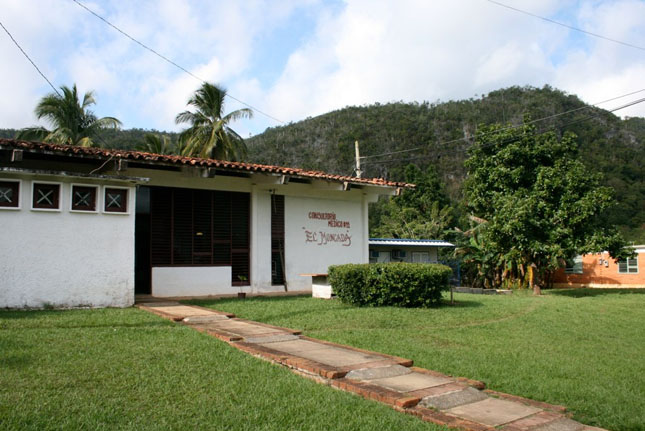
›Fear of mother-to-child transmission of HIV and other infectious diseases has been used as an excuse to deny women health care around the world. Some women living with HIV have even been sterilized without their knowledge. But with proper treatment, the chances of transmission to an unborn child are very low in many cases. The World Health Organization (WHO), in fact, just declared Cuba the first country to eliminate mother-to-child transmission of HIV and syphilis.
-
Islands: Climate Victims or Champions of Resilience?
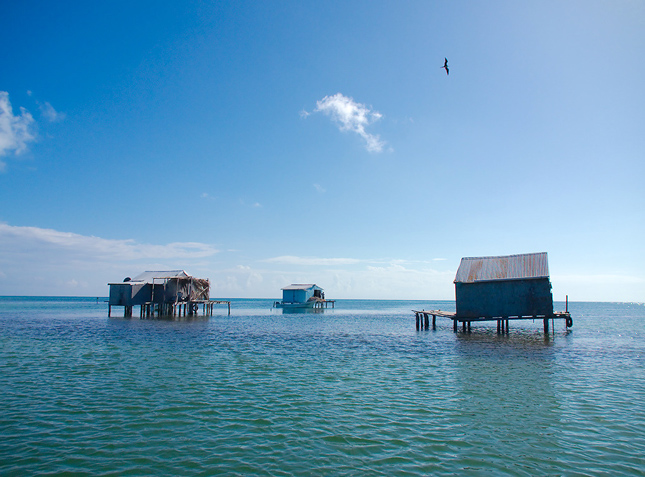
›In contrast to the common narrative of small-island states being among the most vulnerable to climate change, their growing experience in climate-compatible development, disaster prevention, and coordinating information and aid in new ways may be a valuable asset, said panelists at the Wilson Center on March 25.
-
Roger-Mark De Souza et al., Outreach
Re-Framing Islands as Champions of Resilience
›September 10, 2014 // By Wilson Center StaffIsland communities, particularly those from small island developing states, are often reported in policy documents, academic papers and mainstream media as being “most vulnerable” to climate change and disasters. While such a classification might serve to raise awareness of their plight, or be used as impetus for global action, this approach can also result in unintended (and damaging) attitudes and consequences. This is well-illustrated by recent off-the-record discussions with several donors and policy-makers who have inappropriately implied it is “too late” to “save the islands,” given their vulnerability to current and impending climate change impacts.
-
Why They Care: Reproductive Health Champions Spotlight Personal Connections to Development, Environment, More
›“Saving the planet depends on women achieving full human rights, and that begins with reproductive rights,” writes the Natural Resources Defense Council’s Frances Beinecke in a new set of essays on reproductive health published by the United Nations Foundation and the Aspen Institute.
Showing posts from category Caribbean.
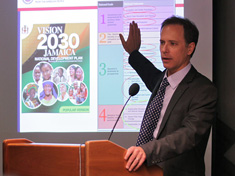 “We [need to] stop treating ‘adaptation’ like a sector,” says John Furlow, climate change specialist at the U.S. Agency for International Development (USAID), in this week’s podcast, “but start treating it as a stress or a risk that undermines the development sectors, the environmental sectors, the social sectors that we care about.”
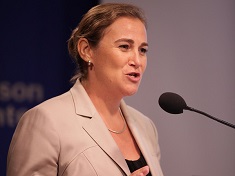 “The relationship between human health…and environmental changes is extremely complex,” says Sally Edwards, advisor for sustainable development and environmental health of the
 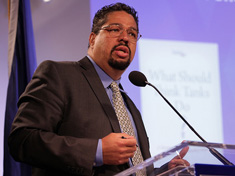 For the past four decades, urbanization in Latin American and Caribbean countries has been on the rise. Today it’s one of the most urbanized regions of the world with 79 percent of the population living in towns and cities. By 2050, 9 out of 10 residents are