-
Pangolins on the Brink as Africa-China Trafficking Persists Unabated
›
Acting on a tip, Nigerian customs operatives raided an apartment in the southwest city of Ikeja in February. Inside, they found some 4,400 pounds of pangolin scales, and 218 ivory tusks—and arrested a Chinese suspect, Ko Sin Ying, who lived there.
A few months earlier, at the other end of a well-worn trade route, Chinese customs officials made the largest-ever seizure of pangolin scales in the port of Shenzhen. They discovered an “empty” shipping container that had come in from Africa—stuffed with 13 tons of scales. They were packaged in bags that camouflaged their true contents beneath a veneer of charcoal. That haul had killed an estimated 20,000 to 30,000 animals, each about as big as a medium-sized dog.
-
To Realize the Demographic Dividend in Africa, Countries Must Fight Corruption
›
Today, African leaders agree that Africa has a great opportunity to reap economic benefits from strategic investments made in the continent’s current large youthful population. The “demographic dividend” is the accelerated economic growth that can result from improved reproductive health, a rapid decline in fertility, and the subsequent shift in population age structure. With more people in the labor force and fewer children to support, a country has a window of opportunity—but only if the right social and economic investments and policies are made in health, education, governance, and the economy.
-
Opening the Demographic Window: Age Structure in Sub-Saharan Africa
›Over the past 25 years, economic and political demographers have documented how declines in fertility rates have preceded improvements in state capacity, income, and political stability in much of East Asia, Latin America, and, most recently, in the Maghreb region of North Africa (Tunisia, Morocco, Algeria). Nonetheless, social scientists still debate over where and when this “demographic dividend” will occur in the youthful, low-income countries of sub-Saharan Africa. Elizabeth Leahy Madsen of the Population Reference Bureau and I find that, for most youthful countries—like those in sub-Saharan Africa—changes in population age structure provide a means to gauge the timing of their future development.
-
In Lesotho, Population Pressures Have Created a Perfect Storm of Human Insecurity
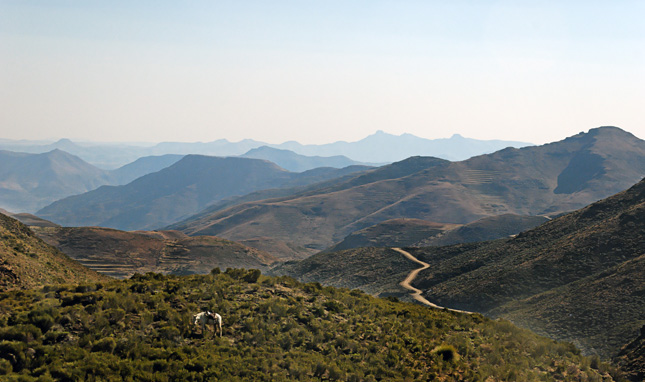
›Since declaring its independence in 1966, Lesotho has faced severe challenges to virtually every dimension of human security, writes Eugene Linden in a recent New York Times opinion article. In recent years, drought – coupled with widespread soil erosion and rapid population growth – has pushed a large portion of Lesotho’s two million people to the verge of starvation, which Linden calls “just one example of how fragile the future seems for Africa, large parts of which face the prospect of new famine and, in consequence, further catastrophic displacement within and among their growing populations.”
-
Sustainable Development Approaches to Youth and the Demographic Dividend
›“Investing in youth is a recipe for success,” said Elizabeth Dawes Gay, senior policy analyst at the Population Reference Bureau (PRB), during a webinar on June 22, 2017, organized by PRB’s PACE project on the connections between the population, health, environment (PHE) approach to international development, and achieving the demographic dividend.
-
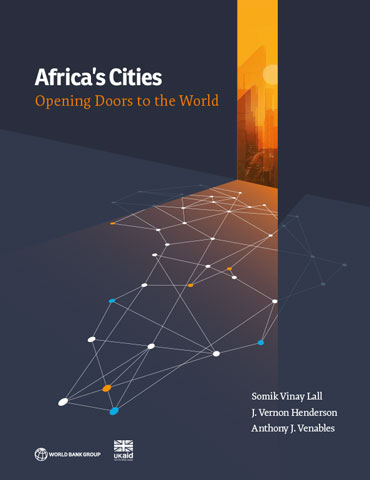
Urban Africa: Opening Doors, Greening Cities
›Cities in sub-Saharan Africa are growing rapidly. But will this
lead to economic growth? According to a recent World Bank report, Africa’s Cities: Opening Doors to the World, the low level of regional and international trade is one of the main reasons why African cities are relatively poor. -
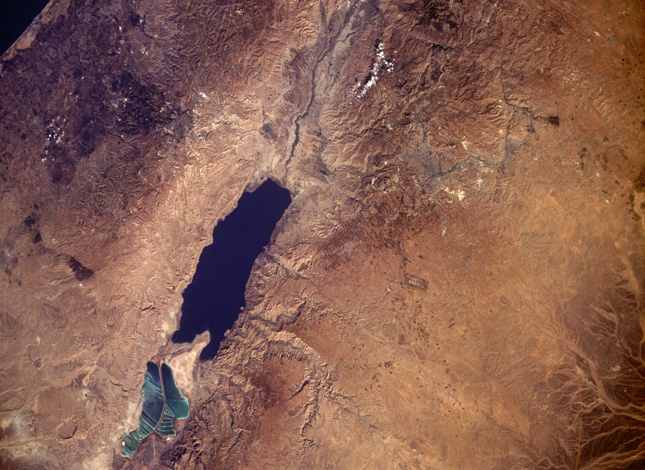
Lessons From International Water Sharing Agreements for Dealing With Climate Change
›Scientists agree that many countries in tropical, subtropical, and arid regions should expect changes to water availability and supply from climate change. The U.S. intelligence community has likewise warned of water-driven challenges not only for countries directly affected by water changes, but indirectly to various U.S. national security interests. Perhaps not surprisingly then, the popular literature has been quite clear about prophesizing wars over water.
-
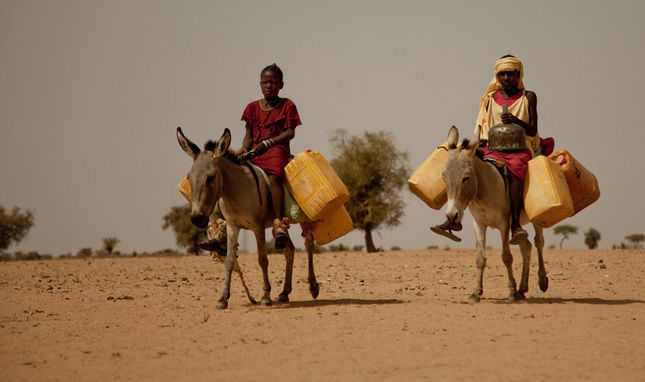
The Melting Arctic Could Spur Even More Migration in the Sahel, But There Are Some Surprising Solutions
›A new study published in the Proceedings of the National Academy of Sciences says that melting in Greenland could change ocean currents and cause unprecedented drought in Africa’s Sahel region, the Washington Post reported last week: “The consequence could be devastating agricultural losses as the area’s climate shifts. And in the most severe scenarios, tens of millions of people could be forced to migrate from the area.”
Showing posts from category Africa.