-
Rachel Yavinsky, Behind the Numbers
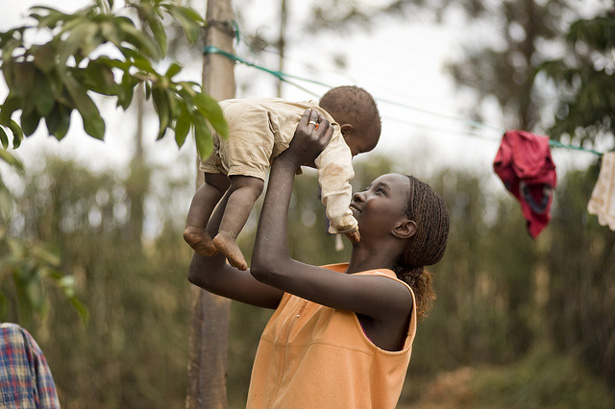
Energy-Saving Stoves and Family Planning Benefit Women and Families in Rural Uganda
›January 23, 2013 // By Wilson Center Staff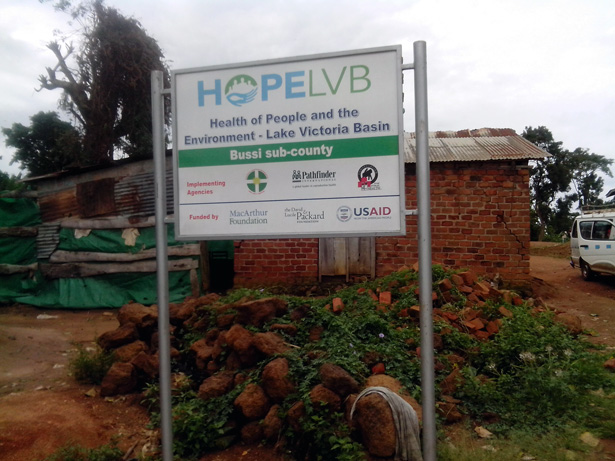
The original version of this article, by Rachel Yavinsky, appeared on the Population Reference Bureau’s Behind the Numbers blog.
After 45 minutes on Lake Victoria in a wooden fishing boat, my PRB colleague and I arrived on Busi Island, one of the Ugandan sites of the HOPE-LVB (Health of People and the Environment – Lake Victoria Basin) project. PRB, who partners on this project, came to Busi Island to see HOPE-LVB in action.
-
Building a Global Network of Maternal Health Policymakers
›
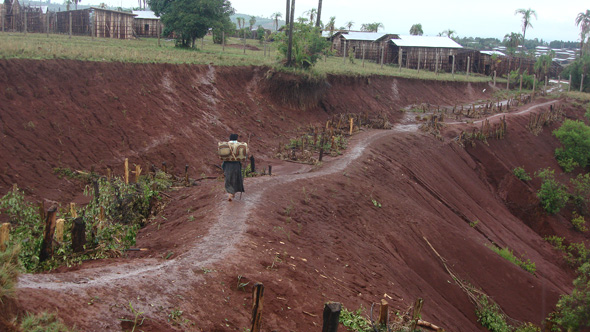
On day three of the 2013 Global Maternal Health Conference here in Arusha, Tanzania, I was joined by the Global Health Initiative’s partners to present the results of the Wilson Center’s four-year-old Advancing Dialogue on Maternal Health Series. This series is unique in its convening power, helping to bring together experts and policymakers from around the world to collaborate on a shared goal: healthier mothers and children.
-
Measuring Sustainable Development in Ethiopia’s Guraghe Zone
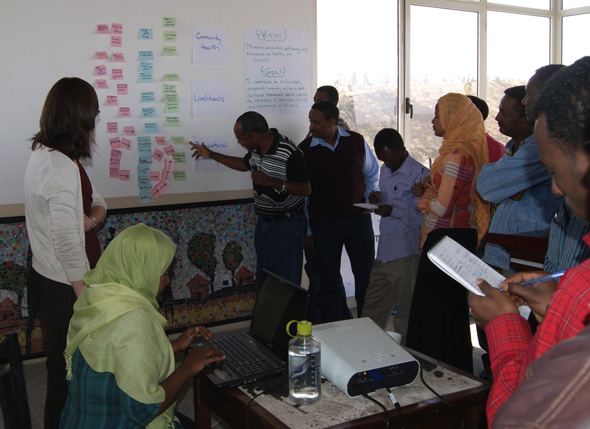
›Despite progress over the years, Ethiopia’s Guraghe zone, located in the Southern Nations, Nationalities, and People’s Region, faces many development challenges. As senior monitoring and evaluation officer in the Guraghe People’s Self-help Development Organization (GPSDO), I have been working in this region for more than five years trying to reduce poverty and improve socio-economic development. The organization as a whole has been here for more than 50.
-
Five Questions for Population, Health, and Environment Projects in Ethiopia
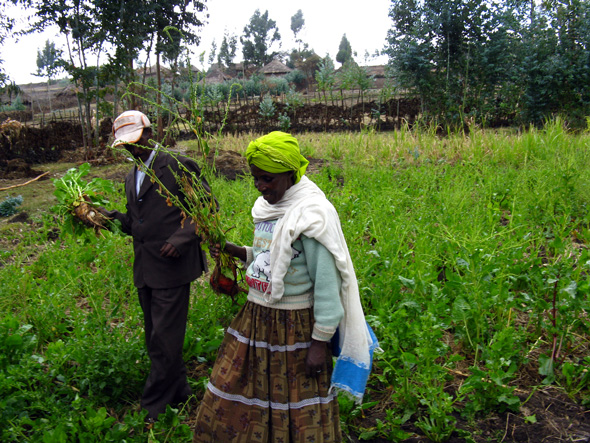
›Since the integrated population, health, and environment (PHE) approach is relatively new in international development, donors, partners, and implementers want to know how it’s improving people’s lives. In the PHE community, we believe that combining efforts to address natural resource management, reproductive health, and livelihoods is making a difference in places where rapid population growth combines with poverty and environment degradation. But to know for sure and be able to convince others, we need to have data to support those beliefs.
-
Stronger Evidence Base Needed to Demonstrate Added Value of PHE
›It is well known that public health issues that affect the world’s most vulnerable populations – food insecurity, maternal and child health, water- and sanitation-related disease, and resource scarcity – are inextricably linked. Where these linkages are strongest, experience on the ground has shown that community-based integrated approaches to development provide more effective and sustainable solutions over vertical, sector-based programs. But so far, there are very few comprehensive evaluations providing strong quantitative evidence of this advantage.
-
Elisabeth Rosenthal, The New York Times
As Biofuel Demand Grows, So Do Guatemala’s Hunger Pangs
›January 8, 2013 // By Wilson Center StaffThe original version of this article, by Elisabeth Rosenthal, appeared in The New York Times.
In the tiny tortillerias of this city, people complain ceaselessly about the high price of corn. Just three years ago, one quetzal – about 15 cents – bought eight tortillas; today it buys only four. And eggs have tripled in price because chickens eat corn feed.
-
Tapping the Potential of Displaced Young People in Urban Settings
›“When young people claim their right to education and health – including sexual and reproductive health – they increase their opportunities to become a powerful force for economic development and positive change,” said Nicole Gaertner, of UN Refugee Agency and the U.S. Department of State, quoting Secretary of State Hilary Clinton at the Wilson Center on December 13. [Video Below]
-
Building Sustainable Cities in a Warmer, More Crowded World
›January 3, 2013 // By Laurie MazurThe future is urban – but is it sustainable?
For decades – centuries, really – warnings have been issued: The burgeoning human population will outgrow the planet’s capacity to sustain us. The formula seems simple. More people equals fewer resources and greater environmental damage.
Showing posts from category Africa.