-
Can Women Deliver a New Development Agenda in 2015?
›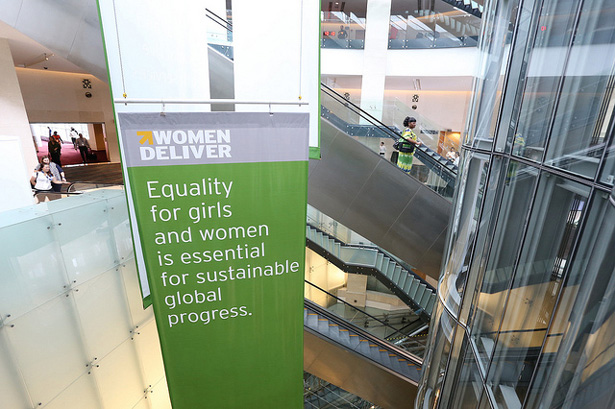
The disempowerment of women and girls is the single biggest driver of inequality today, said Helen Clark, administrator of the UN Development Program, during a plenary on the final day here at the Women Deliver conference in Kuala Lumpur, where more than 4,500 people from 149 countries and 2,200 organizations gathered to discuss women’s health, equity, and international development.
-
Matthew Berger, The Interdependent
A Global Thirst for Water Security
›May 10, 2013 // By Wilson Center Staff
The original version of this article, by Matthew Berger, appeared on The Interdependent.
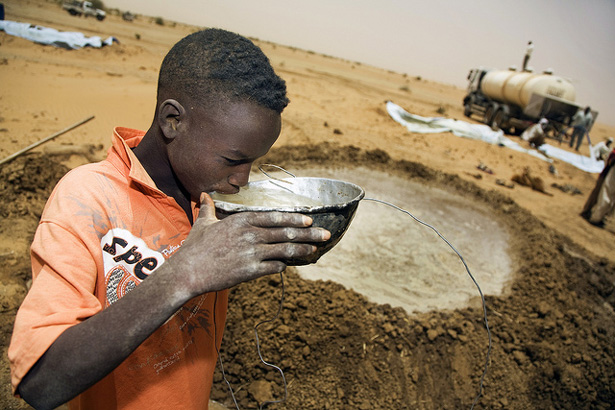
Last summer, after walking for days to a refugee camp across the South Sudan border, some Sudanese refugees reportedly chose to dig holes to reach muddy water rather than face the fist-fights breaking out around a failing tap. Boreholes dug by aid agencies collapsed in the crumbling soil. Even the coming rainy season brought more challenges than relief, washing out roads used by water tanker trucks and threatening the camp with flooding.
-
Band of Conflict: What Role Do Demographics, Climate Change, and Natural Resources Play in the Sahel?
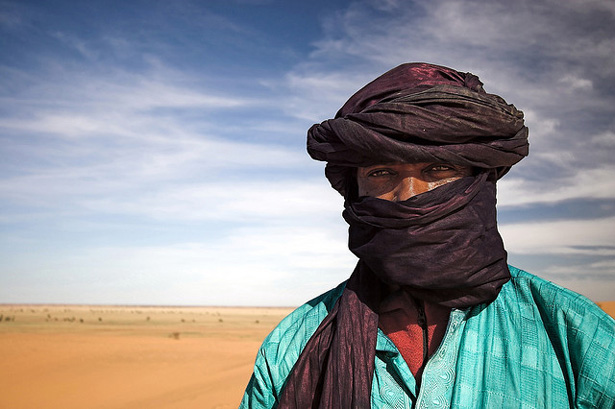
›Stretching across northern Africa, the Sahel is a semi-arid region of more than a million square miles covering parts of nine countries. It is home to one of the world’s most punishing climates; vast expanses of uncharted and unmonitored desert; busy migration corridors that host human, drug, and arms trafficking; governments that are often ineffective and corrupt; and crushing poverty. It is not surprising then that the area has experienced a long history of unrest, marked by frequent military clashes, overthrown governments, and insurgency.
-
Stewart M. Patrick, The Internationalist
Environmental Security Goes Mainstream: Natural Resources and National Interests
›March 29, 2013 // By Wilson Center StaffThe original version of this article, by Stewart M. Patrick, appeared on the Council on Foreign Relations’ The Internationalist blog.
Not long ago, concerns about environmental degradation were marginal in U.S. national security deliberations. What a difference climate change has made. Foreign policy officials and experts are starting to recognize profound linkages between planetary health, economic prosperity, and international security. These connections were on full view last Wednesday, when the Council on Foreign Relations (CFR) teamed up with Conservation International (CI) to convene a symposium, “Global Resources, the U.S. Economy, and National Security.”
-
World Water Day Focuses on Cooperation in the Face of Growing Stress
›March 22, 2013 // By Schuyler NullCooperation, not conflict; that’s the theme of this year’s World Water Day. Collaboration over water has been the rule rather than the exception over the past 70 years, UNESCO explained in the launch of their International Year for Water Cooperation initiative earlier this year (which the rest of the UN is thoughtfully supporting).
But the fact that there’s need for such an initiative shows that water conflict and other water issues are not far from the minds of global policymakers. Scarcity, drought, climate change, food security, disease – water impacts people and their governments in so many ways. Here’s a rundown of some of our best related posts.
-
Jason Beaubien, Shots
Power Shift Under Way As Middle Class Expands In Developing World
›March 19, 2013 // By Wilson Center StaffThe original version of this article, by Jason Beaubien, appeared on NPR’s health blog, Shots.
“The meek shall inherit the earth” – that seems to be the latest message from the United Nations Development Program.
-
Demographic Dividend and the Rise of the Global South
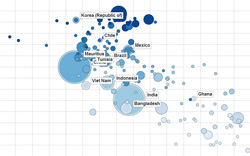
›The Global South is “radically reshaping the world of the 21st century, with developing nations driving economic growth, lifting hundreds of millions of people from poverty, and propelling billions more into a new global middle class,” says the United Nations Development Program’s (UNDP) 2013 Human Development Report, released yesterday. “More than 40 developing countries have made greater human development gains in recent decades than would have been predicted.”
-
Jack Goldstone Discusses Future Demographic Trends: The Old, the Young, and the Urban
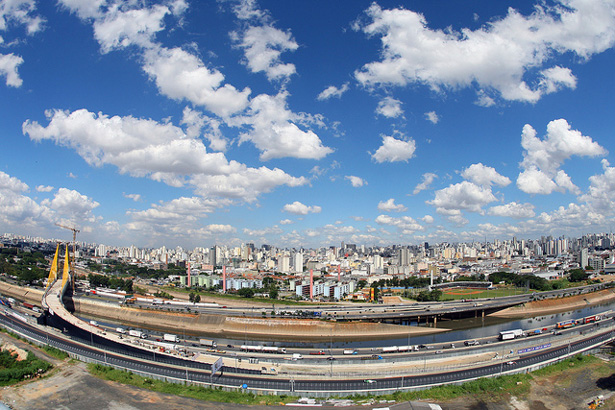
›In this podcast, Jack Goldstone of George Mason University discusses the world’s demographic stresses in the coming years. In parallel to a growing trend of population aging in developed countries, much of the world will remain young, growing, and urbanizing, he said. The choices these growing countries make over the next few decades will have reverberating effects for the rest of the world, from conflict potential to the spread of stable democracies.
Showing posts from category UN.