-
International Women’s Day: Violence Pervasive, With Wide-Ranging Effects
›March 8, 2013 // By Kate Diamond
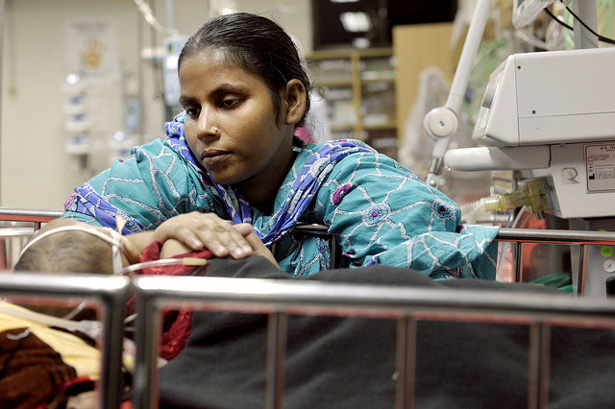
The theme of this year’s International Women’s Day is “a promise is a promise: time for action to end violence against women.” The theme reflects that although there are a number of treaties and conventions that on paper promise to protect women’s rights, equality, and security, in reality, those promises to protect human rights have been broken time and again.
-
Rebecca Fishman, WASH Advocates
New Water and Women’s Health Series by MHTF and WASH Advocates
›
The original version of this article, by Rebecca Fishman, appeared on the WASH Advocates and Maternal Health Task Force blogs.
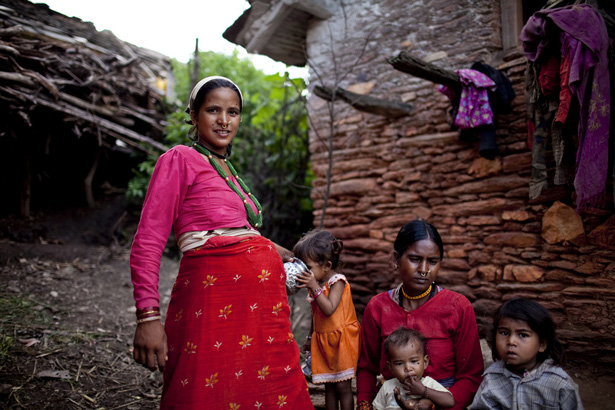
Access to clean water is not only one of the world’s most urgent health issues, but it is also a key to boosting progress in developing countries. Women and children are disproportionately affected by inadequate water, sanitation, and hygiene (WASH), and they shoulder the largest burden in collecting drinking water. What is more, when the needs of women and girls are not taken into account, the effects are felt far and wide, reaching across the education, health, security, and economic sectors. On the other hand, improving WASH can have positive impacts throughout a girl’s life and can even extend across generations. As we know, when women thrive, so do their communities.
-
What Could Sequestration Mean for U.S. Development and Diplomacy?
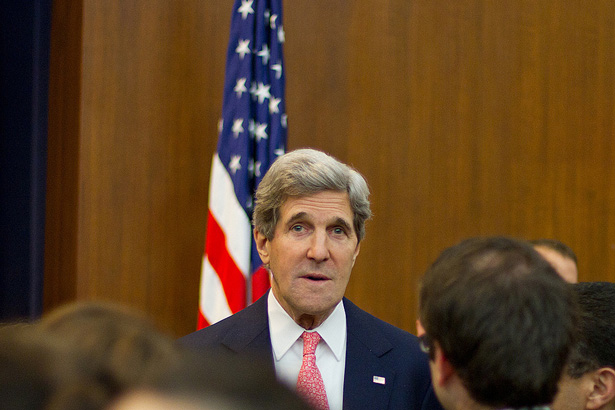
›February 28, 2013 // By Schuyler NullNewly minted Secretary of State John Kerry would probably prefer his first few months on the job to be a little quieter. But – in addition to everything else – sequestration is bearing down on Washington this week, and the U.S. government is beginning to seriously take stock of what automated cuts might mean. The Department of State and the U.S. Agency for International Development (USAID) are not spared. Kerry sent a letter earlier this month to Senate Appropriations Committee Chairwoman Barbara Mikulski (D-MD) outlining the projected effects for his charges if the March 1st deadline should pass without action.
-
Aging in the 21st Century: A Celebration and a Challenge
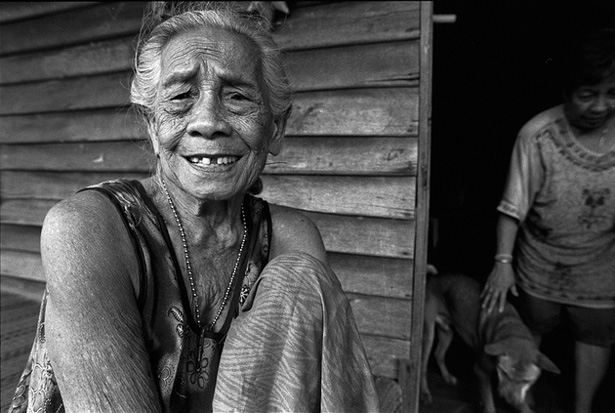
›“We are in the midst of a silent revolution,” said Ann Pawliczko, a senior technical advisor in the population and development branch at the United Nations Population Fund (UNFPA), quoting former UN Secretary-General Kofi Annan. “It is a revolution that extends well beyond demographics, with major economic, social, cultural, psychological, and spiritual implications.”
-
A Year for Cooperation, Not Conflict, Over Water
›February 12, 2013 // By Kate DiamondYou might think that conflict over water is inevitable as rising temperatures and changing climates are expected to constrain supplies in the coming decades at the same time that expanding consumption standards and growing populations are expected to boost demand. But you’d be wrong, according to the United Nations – and they’re launching the International Year for Water Cooperation this week to make that point.
-
Environmental Journalists Discuss the Year Ahead in Energy and Environment News
›Environmental desks at newspapers around the world may be on the defensive, but the stories are only getting bigger. On January 25, six environmental journalists from Bloomberg, EnergyWire, Public Radio International, the Associated Press, and the Yale Forum on Climate Change and the Media gathered at the Wilson Center for a panel cosponsored by the Environmental Change and Security Program and the Society of Environmental Journalists to discuss what to watch for in the coming year, from President’s Obama’s mention of climate change in his inaugural address to the prospects of shale gas and the Keystone XL pipeline. [Video Below]
-
Behind the Numbers
Reproductive Health and Population Issues in the MDGs: An Interview With Stan Bernstein
›February 8, 2013 // By Wilson Center StaffStan Bernstein, a retired UNFPA senior policy adviser and former health adviser on the UN Millennium Project, recently attended the Seventh Annual Research Conference on Population, Reproductive Health, and Economic Development in Oslo, Norway. During the conference, Bernstein reflected on the presence of reproductive health and population issues among the Millennium Development Goals (MDGs) and their indicators. He also commented on prospects for including relevant reproductive health and population goals or indicators in the development agenda beyond 2015. Bernstein hailed the role of research from the PopPov network in the past and its potential contributions to future development agendas. He answers some questions for PRB below.
-
Sam Loewenberg, The New York Times
Learning From Failure
›The original version of this op-ed, by Sam Loewenberg, appeared in The New York Times.
Americans love success stories. Go to the web sites of the United States Agency for International Development, the Bill and Melinda Gates Foundation, or a plethora of global health and development organizations, and you’ll find articles, charts, and videos documenting their triumphs and innovations, with the promise of more on the way.
Showing posts from category zz Organizations.