-
Lauri Romanzi on Rethinking Maternal Morbidity Care in a Historical Context
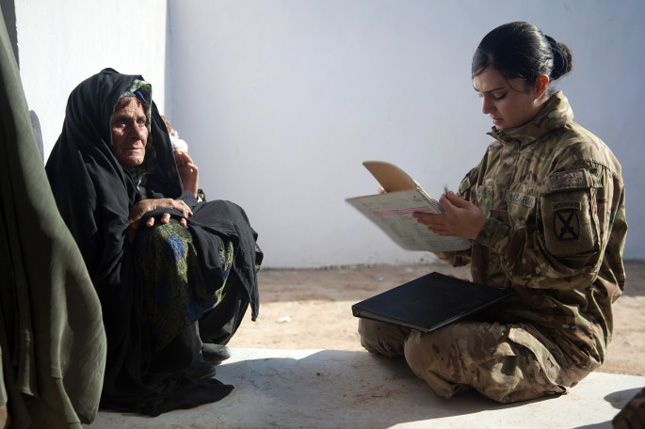
› In May 1855, Dr. James Marion Sims opened the first obstetric fistula hospital in New York City. Just 40 years later, it closed, reflecting a sharp decline in maternal morbidity rates in the United States and other Western countries. The Waldorf Astoria Hotel now stands on the site of the former hospital. “We know that we have eradicated obstetric fistula in high income countries; it happened at the turn of the 20th century,” says Dr. Lauri Romanzi, project director of Fistula Care Plus, in this week’s podcast.
 -
As African Cities Grow, Rural-Urban Divides Widen Too
›
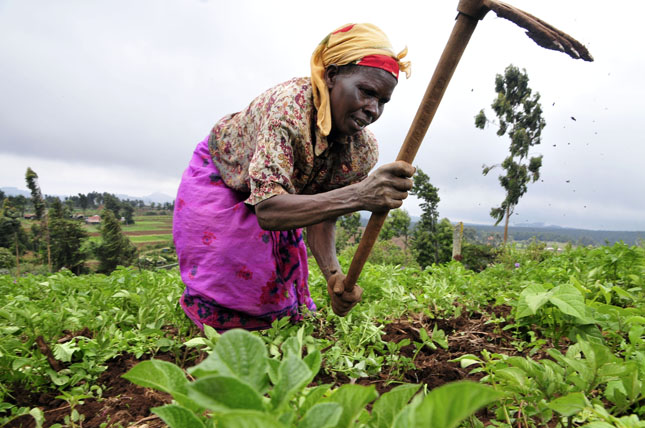
In 2007, the world crossed a threshold: for the first time in human history, the majority of people lived in urban areas. Today, Africa and Asia are the only remaining continents where the rural population outnumbers urban, but they are urbanizing at unprecedented rates. This rapid growth is a double-edged sword. While urbanization spurs economic opportunity and often increases access to infrastructure, it is also widening disparities in health and development, according to a new data sheet by the Population Reference Bureau.
-
A Case for Refugee Resilience: Reflection on the Lost Boys’ Story of Perseverance
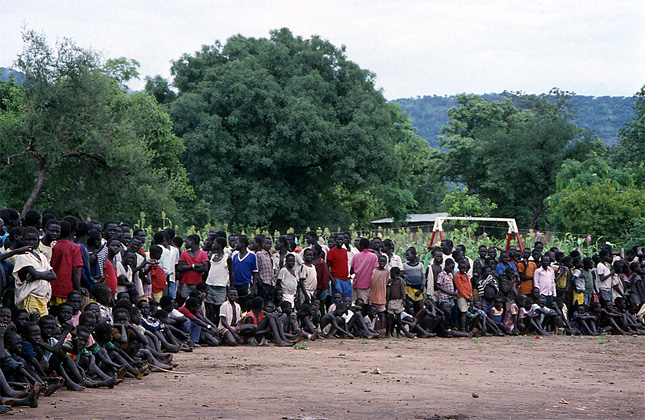
›Fifteen years ago last month, I was brought to America through the U.S. Refugee Resettlement Program after having lived in refugee camps in Ethiopia and Kenya for more than a decade. As I reflect on my experience, it is my hope that it will inspire others and help inform dialogue on forced migration so that refugees are perceived not just as victims, but models of resilience.
-
Bixby Report Explains Cross-Cutting Effect of Family Planning on Food Security, Climate Change
›July 16, 2015 // By Linnea Bennett“With current neglect of family planning, the UN’s recent projection of a 2100 world population of up to 12.3 billion is a possibility,” says a report from the University of California, San Francisco’s Bixby Center for Global Reproductive Health. Increased voluntary family planning efforts are needed, the authors contend, to meet existing demand for contraceptives, stabilize the threat of global food insecurity, and reduce carbon emissions that contribute to climate change.
-
The Hillary Doctrine: Sex and American Foreign Policy (Book Launch)
›When Valerie Hudson evaluates the strength of a nation, whether food security, wealth, peacefulness, or quality of governance, she finds one important thread that underlies it all. “One of the most important factors in the determination of these things is in fact the situation, and security, and status of women,” said Hudson at the Wilson Center on June 24. [Video Below]
-
A Nuclear Deal Could Help Iran Harness a Youthful Labor Force
›Iran is poised to reap a vast “demographic dividend” if the appropriate national and international policies are adopted, including a nuclear deal with the P5+1 (five permanent members of the UN Security Council, plus Germany).
-
Parson Rambinizandry and Marie Williamson, Blue Ventures
Conservation Organization Helps Women Bring Health Care to Rural Madagascar
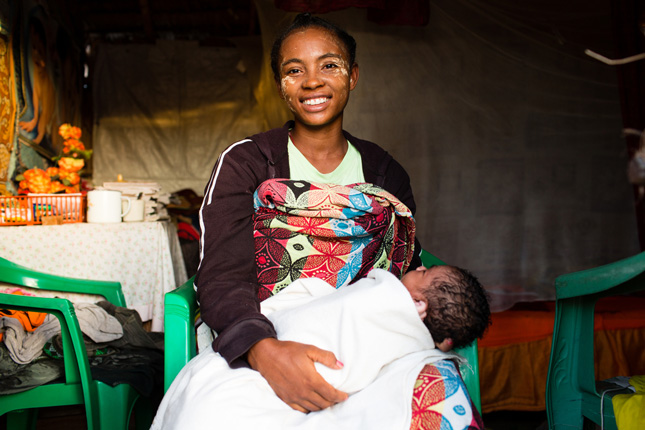
›Two months ago we sat down with some of our community health workers to brainstorm ideas for International Women’s Day. What would engage women, what could bring about positive change in their community? Something different to the normal celebrations, perhaps a petition for a midwife? This seemed like a great idea on paper, but would it create false hope in a village where the public health center has been closed for years?
-
De Souza: In Era of Man, Demography Needs to be Part of Environmental Security Discussion
›A new article from the Wilson Center’s own Roger-Mark De Souza explores how population trends can bolster community resilience in the face of climate change and other security threats. De Souza argues that demographic trends such as age structure help determine how well a population is able to respond to and bounce back from shocks, especially environmental ones like drought and famine.
Showing posts from category youth.
 In
In