-
The Top 5 Posts of August 2021
›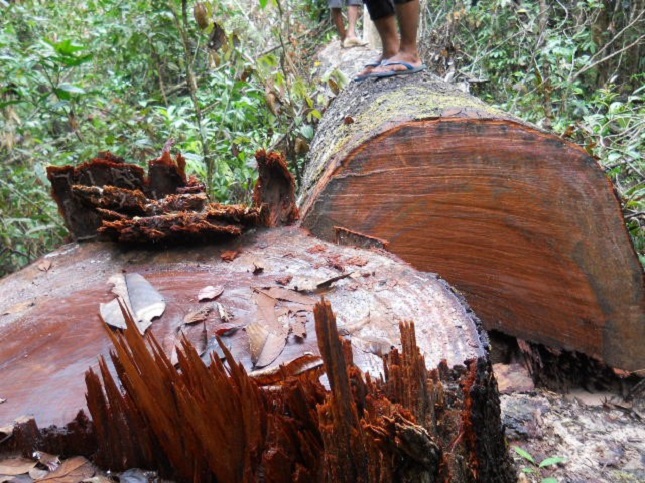
Cambodia’s Prey Lang rainforest is climate-critical and supports the livelihood of its Indigenous Kuy population. Recently, U.S.-led efforts to protect the forest have withdrawn as the Cambodian government has come under criticism for continued failure to protect against illegal logging. In this month’s top post, Richard Pearshouse explores opportunities to address the issue of illegal deforestation of Cambodian timber and protecting Indigenous peoples’ rights.
-
The Top 5 Posts of July 2021
›
Feeding all the fish grown in aquaculture remains a challenge in China, the U.S. and elsewhere. Aquaculture currently uses 75 percent of global fish oil supplies and researchers estimate that the demand for forage fish will exceed the ocean’s supply by 2037. In this month’s top post, Karen Mancl discusses the need for policy interventions to halt the overharvesting of oceans for fish feed and to ramp up the use of alternative fish feeds such as insects and algae.
-
The Top 5 Posts of June 2021
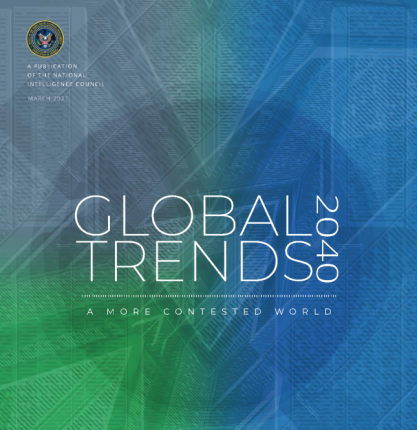
›In our top post for June, Steve Gale shares 5 consequences out of the National Intelligence Council’s recently released Global Trends report that development actors should be particularly attuned to. In addition to the “long tail” of the COVID-19 pandemic, the report recognizes the environmental consequences of climate change, including unprecedented numbers of wildfires, increased intensity of tropical storms, and sea-level rise. As a result, migration will be more pronounced and require more targeted aid approaches as demographics shift.
-
The Top 5 Posts of May 2021
›Green innovation and low-carbon transport are increasingly becoming an international priority. In this month’s top post, Ruyi Li writes about how both the United States and Chinese governments are expanding electric vehicle markets, which may inspire collaboration and competition on reaching carbon neutrality goals.
-
The Top 5 Posts of April 2021
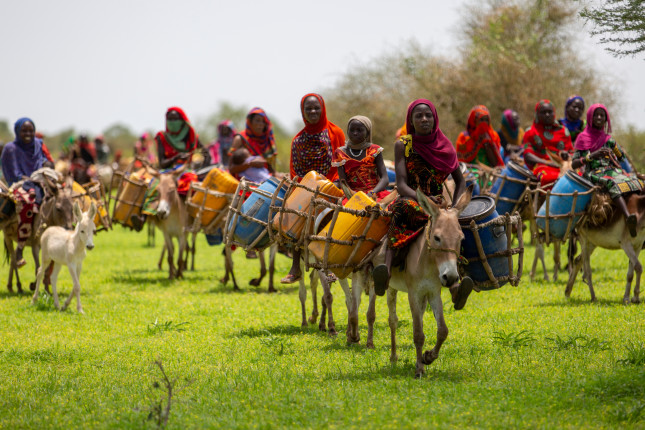
›Water diplomacy has brought increased attention to both water governance and water-related challenges and risks. Women’s leadership in water governance remains a salient issue as the field strives to bridge the gender gap. In this month’s top post, Marisa O. Ensor finds that while the field remains male-dominated, recent events and related publications contribute to bridging this persistent gender gap.
-
The Top 5 of March 2021
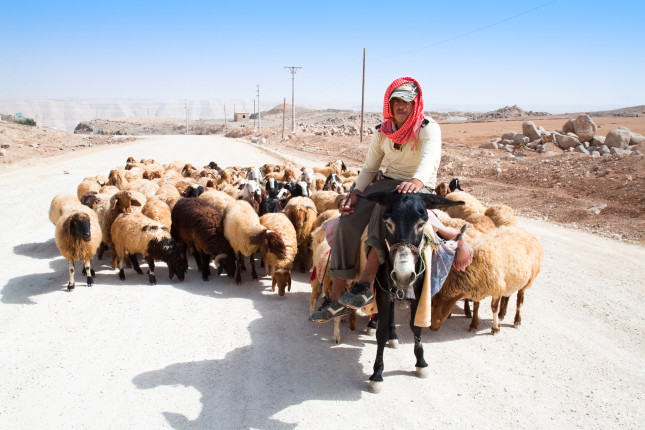
›Jordan is facing a deepening, multi-faceted freshwater crisis and it’ll take aggressive action by the country and its international partners to gain a foothold on its water future. In this month’s top post, Steven M. Gorelick, Jim Yoon, Christian Klassert feature their recently published framework that assesses the key factors playing a role in exacerbating Jordan’s limited natural water availability and Jordan’s water security outlook.
-
The Top 5 of February 2021
›Collapsing ice shelves raised concerns in 2020, but the immediate effects of climate change in the polar regions are merely the tip of the iceberg, write Olivia Popp and Michaela Stith in this month’s top post. What happens in the polar regions doesn’t always stay in the polar regions—it has profound effects on climate and communities around the world.
-
The Top 5 Posts of January 2021
›The nature of climate risks complicates efforts to pinpoint and articulate climate’s impact on conflict. In January’s top post, Peter Schwartzstein draws on years of environmental reporting across the MENA region to share examples of how environmental and climate changes are driving conflict in areas where the climate angle isn’t immediately obvious.
Showing posts from category What You Are Reading.