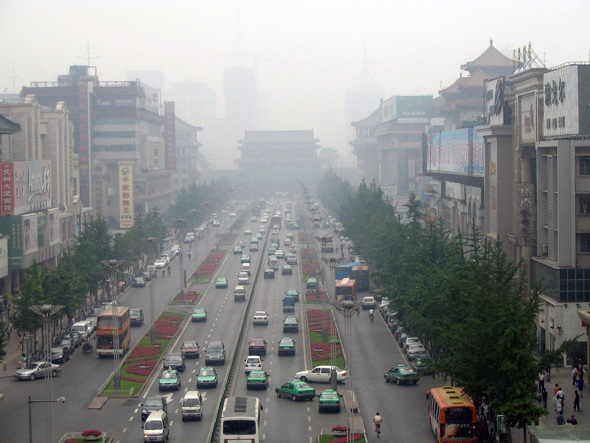
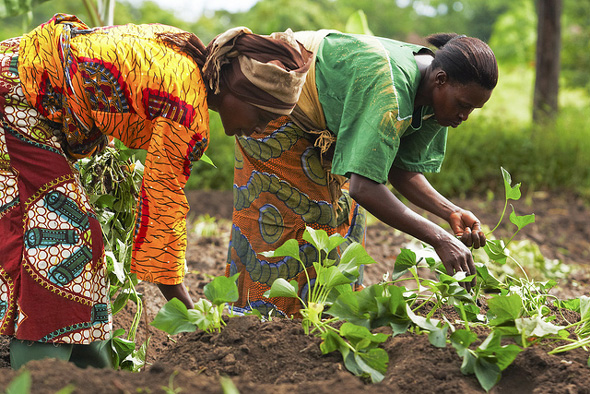
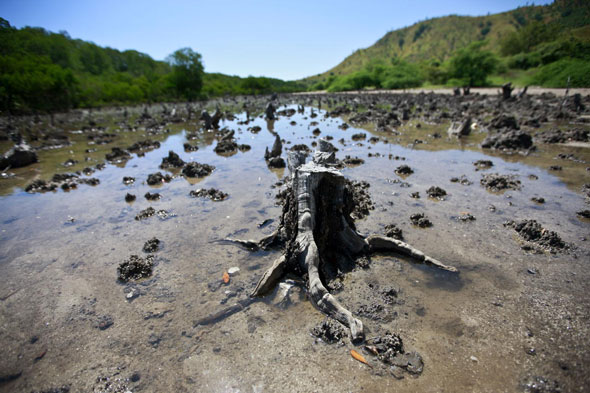
• woodrow wilson center
  • ecsp

New Security Beat

Subscribe:
  • rss
  • mail-to
  • Who We Are
  • Topics
    • Population
    • Environment
    • Security
    • Health
    • Development
  • Columns
    • China Environment Forum
    • Choke Point
    • Dot-Mom
    • Friday Podcasts
    • Navigating the Poles
    • Reading Radar
  • Multimedia
    • Water Stories (Podcast Series)
    • Backdraft (Podcast Series)
    • Tracking the Energy Titans (Interactive)
  • Films
    • Water, Conflict, and Peacebuilding (Animated Short)
    • Paving the Way (Ethiopia)
    • Broken Landscape (India)
    • Scaling the Mountain (Nepal)
    • Healthy People, Healthy Environment (Tanzania)
  • Publications
  • Events
  • Contact Us

NewSecurityBeat

The blog of the Wilson Center's Environmental Change and Security Program
Showing posts from category urbanization.
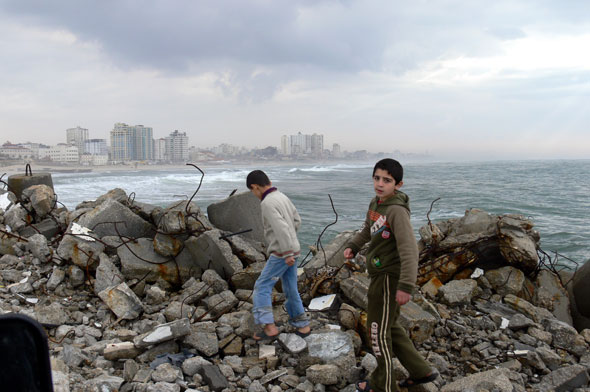
  • PBS ‘NewsHour’ and Pulitzer Center Examine Water Shortage and Health Issues in Ghana and Nigeria

    ›
    On the Beat  //  March 22, 2012  //  By Schuyler Null
    The PBS NewsHour continued its collaboration with the Pulitzer Center on Crisis Reporting on international reporting last week with an episode on water infrastructure in Ghana and Nigeria. The coverage is especially apropos on World Water Day.

    Correspondent Steve Sapienza spoke to reporters in Ghana and Nigeria to highlight long-running access and sanitation issues in both countries caused by poor infrastructure that has not kept up with growth.

    Ameto Akpe is a local reporter for Nigeria’s BusinessDay, where her stories “target the contradiction of a country with immense oil wealth and great water resources that are not reaching their citizens.” In the city of Makurdi, capital of the north-central Benue State, she reports on the hundreds of thousands of people who rely on either high-priced water delivery or untreated water drawn straight from the Benue River.

    “The previous attempt to build a water treatment plant ended in scandal in 2008,” says Sapienza, “with an unfinished treatment facility and city officials unable to account for $6 million.”

    “Unfortunately, the waterworks is only half of the solution to Makurdi’s water problem,” writes Akpe on the Pulitzer Center. “The other half is a system of pipes to deliver the water to the people – and that project is just a twinkle in the eye of a handful of contractors and bureaucrats.”

    In Ghana, metro TV reporter Samuel Agyemang explains similar access and sanitation issues in the capitol of Accra and its suburb of Teshie, where some residents have waited decades for piped water, despite substantial foreign investments.

    The Pulitzer Center’s Peter Sawyer explains in a companion piece that “the population of Accra has grown enormously in the past several decades. But the water supply system has not grown with it.” As a result, the Ghana Water Company is constantly playing catch-up to provide water to communities, many of whom do not understand how to demand accountability from their officials, says Agyemang.

    According to UN estimates, Ghana’s population has increased by more than 10 million people since 1990. Nigeria is one of the fastest growing countries in the world, with 158 million people currently and the UN medium projection estimating a possible 389 million by mid-century.

    Reporter Ameto Akpe will be speaking about Nigeria’s water and sanitation problems at an upcoming all-day event on Nigeria at the Wilson Center, scheduled for April 25.

    Sources: PBS NewsHour, Pulitzer Center for Crisis Reporting, UN Population Division.
    MORE
  • USAID’s New Climate Strategy Outlines Adaptation, Mitigation Priorities, Places Heavy Emphasis on Integration

    ›
    February 29, 2012  //  By Kathleen Mogelgaard
    In January, the U.S. Agency for International Development released its long-awaited climate change strategy. Climate Change & Development: Clean Resilient Growth provides a blueprint for addressing climate change through development assistance programs and operations. In addition to objectives around mitigation and adaptation, the strategy also outlines a third objective: improving overall operational integration.

    The five-year strategy has a clear, succinct goal: “to enable countries to accelerate their transition to climate-resilient low emission sustainable economic development.” Developed by a USAID task force with input from multiple U.S. agencies and NGOs, the document paints a picture of the threats climate change poses for development – calling it “among the greatest global challenges of our generation” – and commits the agency to addressing both the causes of climate change and the impacts it will have on communities in countries around the world.

    These statements are noteworthy in a fiscal climate that has put development assistance under renewed scrutiny and in a political environment where progress on climate change legislation seems unlikely.

    Not Just Challenges, But Opportunities

    To make the case for prioritizing action on climate change, the strategy cites climate change’s likely impact on agricultural productivity and fisheries, which will threaten USAID’s food security goals. It also illustrates the ways in which climate change could exacerbate humanitarian crises and notes work done by the U.S. military and intelligence community in identifying climate change as a “threat multiplier” (or “accelerant of instability” as the Quadrennial Defense Review puts it) with implications for national security.

    Targeted efforts to address climate change, though, could consolidate development gains and result in technology “leap-frogging” that will support broader development goals. And, noting that aggregate emissions from developing countries are now larger than those from developed countries, the strategy asserts that assisting the development and deployment of clean technologies “greatly expands opportunities to export U.S. technology and creates ‘green jobs.’”

    In addition to providing a rationale for action, the strategy provides new insights on how USAID will prioritize its efforts on climate change mitigation and adaptation. It provides a clear directive for the integration of climate change into the agency’s broader development work in areas such as food security, good governance, and global health– a strong and encouraging signal for those interested in cross-sectoral planning and programs.

    Priorities Outlined, Tough Choices Ahead

    President Obama’s Global Climate Change Initiative, revealed in 2010, focuses efforts around three pillars: clean energy, sustainable landscapes, and adaptation. USAID’s climate strategy fleshes out these three areas, identifying “intermediate results” and indicators of success – such as the development of Low Emission Development Strategies in 20 partner countries, greenhouse gas sequestration through improved ecosystem management, and increasing the number of institutions capable of adaptation planning and response.

    In laying out ambitious objectives, however, the authors of the strategy acknowledge constrained fiscal realities. The strategy stops short of identifying an ideal budget to support the activities it describes, though it does refer to the U.S. pledge to join other developed countries in providing $30 billion in “fast start financing” in the period of 2010 to 2012 and, for those USAID country missions that will be receiving adaptation and mitigation funding, establishes “floors” of $3 million and $5 million, respectively.

    The final section of the strategy lists over thirty countries and regions that have already been prioritized for programs, including Bangladesh, India, Kenya, Malawi, and Peru. But “we are unable to work in every country at risk from climate change impacts or with the potential for low carbon sustainable growth,” the strategy asserts. An annex includes selection criteria to guide further funding decisions, including emission reduction potential, high exposure to physical climate change impacts, a suitable enabling environment, coordination with other donors, and diplomatic and geographic considerations.

    “Integration” Central to Strategy

    The concept of integration figures prominently throughout the 27-page document. For those of us working in the large and growing space where the global challenges of climate change, food security, health, livelihoods, and governance overlap, this attention is heartening. While it may sometimes seem simply fashionable to pay lip service to the idea of “breaking out of stovepipes,” the strategy identifies concrete ways to incentivize integration.

    “Integration of climate change into USAID’s development portfolio will not happen organically,” the strategy says. “Rather, it requires leadership, knowledge and incentives to encourage agency employees to seek innovative ways to integrate climate change into programs with other goals and to become more flexible in use of funding streams and administrative processes.”

    To this end, USAID plans to launch a group of pilot activities. USAID missions must submit pilot program proposals, and selected programs will emphasize integration of top priorities within the agency’s development portfolio (including Feed the Future and the Global Health Initiative). Among other criteria, pilots must demonstrate buy-in from multiple levels of leadership, and will be selected based on their potential to generate integration lessons and tools over the next several years.

    This kind of integration – the blending of key priorities from multiple sectors, the value of documented lessons and tools, the important role of champions in fostering an enabling environment – mirrors work carried out by USAID’s own population, health, and environment (PHE) portfolio. To date, USAID’s PHE programs have not been designed to address climate challenges specifically, and perhaps not surprisingly they aren’t named specifically in the strategy. But those preparing and evaluating integration pilot proposals may gain useful insights on cross-sectoral integration from a closer look at the accumulated knowledge of more than 10 years of PHE experience.

    Population Dynamics Recognized, But Opportunities Not Considered

    Though not a focus of the strategy, population growth is acknowledged as a stressor – alongside unplanned urbanization, environmental degradation, resource depletion, and poverty – that exacerbates growing challenges in disaster risk reduction and efforts to secure a safe and sufficient water supply.

    Research has shown that different global population growth scenarios will have significant implications for emissions growth. New analysis indicates that the fastest growing populations are among the most vulnerable to climate change and that in these areas, there is frequently high unmet need for family planning. And we have also clearly seen that in many parts of the world, women’s health and well-being are increasingly intertwined with the effects of changing climate and access to reproductive health services.

    In its limited mention of population as a challenge, however, the strategy misses the chance to identify it also as an opportunity. Addressing the linked challenges of population growth and climate change offers an opportunity to recommit the resources required to assist of the hundreds of millions of women around the world with ongoing unmet need for family planning.

    The strategy’s emphasis on integration would seem to be an open door to such opportunities.

    Integrated, cross-sectoral collaboration that truly fosters a transition to climate-resilient, low-emission sustainable economic development will acknowledge both the challenge presented by rapid population growth and the opportunities that can emerge from expanding family planning access to women worldwide. But for this to happen, cross-sectoral communication will need to become more commonplace. Demographers and reproductive health specialists will need to engage in dialogues on climate change, and climate specialists will need both opportunities and incentives to listen. USAID’s new climate change integration pilots could provide a new platform for this rare but powerful cross-sectoral action.

    Kathleen Mogelgaard is a writer and analyst on population and the environment, and a consultant for the Environmental Change and Security Program.

    Sources: FastStartFinance.org, International Energy Agency, Maplecroft, Population Action International, The White House, U.S. Department of Defense, USAID.

    Photo Credit: “Displaced Darfuris Farm in Rainy Season,” courtesy of United Nations Photo.
    MORE
  • Stuck: Rwandan Youth and the Struggle for Adulthood (Book Preview)

    ›
    From the Wilson Center  //  Guest Contributor  //  February 22, 2012  //  By Marc Sommers

    This excerpt is from Marc Sommers’ Stuck: Rwandan Youth and the Struggle for Adulthood, published by the University of Georgia Press. The book was launched at the Wilson Center on February 28 (webcast available here).

    Several years ago, I wrote that the central irony concerning Africa’s urban youth was that “they are a demographic majority that sees itself as an outcast minority.” Since that time, field research with rural and urban youth in war and postwar contexts within and beyond Africa has led me to revise this assertion. The irony appears to apply to most developing country youth regardless of their location.

    MORE
  • P.H. Liotta, Salve Regina University

    The Real Population Bomb: Megacities, Global Security, and the Map of the Future (Book Preview)

    ›
    February 8, 2012  //  By Wilson Center Staff
    There was a time when the city was the dominant political identity. Centuries and even millennia ago, the most advanced societies in the Mediterranean, the Near East, and South America revolved around cities that were either states in themselves or were the locus of power for larger empires and kingdoms. The time of the city is coming again, though now in a considerably less benign way.
    From the introduction to The Real Population Bomb:
    There was a time when the city was the dominant political identity. Centuries and even millennia ago, the most advanced societies in the Mediterranean, the Near East, and South America revolved around cities that were either states in themselves or were the locus of power for larger empires and kingdoms. The time of the city is coming again, though now in a considerably less benign way.

    With the rise of massive urban centers in Africa and Asia, cities that will matter most in the twenty-first century are located in less-developed, struggling states. A number of these huge megalopolises – whether Lagos or Karachi, Dhaka or Kinshasa – reside in states often unable or simply unwilling to manage the challenges that their vast and growing urban populations pose. There are no signs that their governments will prove more capable in the future. These swarming, massive urban monsters will only continue to grow and should be of great concern to the rest of the world.
    This book is about where and how geopolitics will play out in the twenty-first century. Cumulatively it represents two decades of work from authors with seemingly dissimilar backgrounds: one is a poet, novelist, and translator; the other is a security analyst and expert in disaster response and management who has worked for two presidential administrations. Both were colleagues at the U.S. Naval War College in the early 2000s.

    We have traveled widely and conducted fieldwork in places as disparate as the Altiplano of Bolivia; Caracas, Venezuela; Guayaquil, Ecuador; the autonomous Altai Republic in deep Siberia; and the massive slums of Egypt, India, Kenya, South Africa, and Brazil. What we share from this experience is the recognition that the world has changed before our eyes. Terms such as the “developed” and “developing” world – phrases that were always dangerous and loaded with false value – no longer have the relevance they seem to have had once. Concepts such as “first world” and “third world” are stubborn relics of Cold War thinking – just as our “mental maps” are grounded in the often difficult but known past. We must change our ways of seeing the world.

    Traditionally there have been two general approaches to understanding societies and states. One is the humanitarian or ecological perspective in which the focus is on society – how people live and are affected by war, pollution, and economic globalization. The other is a realist perspective in which the focus is on the economic, political, and military relations among major powers such as the European Union, the United States, China, and Russia.

    What these traditional approaches underemphasize is the overlap and natural alignment between them. To understand the map of the future, we need to critically appreciate how astonishing population growth in cities – particularly fast-growing megalopolises in weak or failing states in Africa, the Middle East, and Asia – is impacting ecology and ecosystems, human security, and the national security of Western states, as well as allies and trading partners.

    For both better and worse, globalization and urban population growth have changed political and economic dynamics in ways that previous conceptions of how the world works cannot do justice. In this book we examine how developments below the nation-state level – at the municipal level – affect how we must see the world of the future. While this work is anything but a travelogue, we do visit some of the most alarming locations on the earth. Often these places have been viewed in impressionistic terms, as distant locations where “others” live – with whom “we” have little interaction. But we are far more connected than we think; whether Nigeria or Pakistan, Bangladesh or Egypt, their future is also ours. The odds seem stacked against those who live there. In the dense, overgrown neighborhoods and shantytowns of Lagos, Kinshasa, Cairo, Karachi, Lahore, or Dhaka, government authorities have failed to provide infrastructure and public services. We need urgent, collective, and innovative actions to help critical megacities weather the gathering storm.

    But there is hope and strength. Though time is running short, solutions are still possible. In the end, this book is about the power and resilience of the human spirit.

    P. H. Liotta’s latest book is The Real Population Bomb: Megacities, Global Security, and the Map of the Future, with James F. Miskel. As a member of the United Nations Intergovernmental Panel on Climate Change UN’s IPCC, he shared the 2007 Nobel Peace Prize.

    Photo Credit: “Urban View: the Republic of Korea’s Second Largest City,” courtesy of United Nations Photo.
    MORE
  • Water and Population: Limits to Growth?

    ›
    February 3, 2012  //  By Laurie Mazur

    Water – essential, finite, and increasingly scarce – has been dubbed “the new oil.” Experts debate whether human societies are approaching “peak water,” beyond which lies a bleak future of diminishing supplies and soaring demand. Others observe that, for many, the water crisis has already arrived.

    MORE
  • Indonesia: Pioneering Community Outreach Creates Success Story

    ›
    January 31, 2012  //  By Elizabeth Leahy Madsen
    This is the third post in a series profiling the process of building political commitment in countries whose governments have made strong investments in family planning. Previous posts have profiled Rwanda and Iran.

    While the two other countries profiled in this series, Rwanda and Iran, have only reinvigorated their family planning programs within the past 20 years, Indonesia’s story begins in the 1960s. In this respect, the world’s fourth most populous country is classified among the pioneers of family planning in the developing world and has been described as a “world leader” and “one of the developing world’s best.” An extensive community outreach program combined with a centralized government that made family planning a priority were key to Indonesia’s success story.

    Jakarta Pilot and Religious Support Motivates National Scale-up

    For a decade and a half after the struggle for independence from the Dutch ended in 1949, the government of President Sukarno ruled out any government support for family planning. According to a Demographic and Health Survey (DHS) report, the rate of contraceptive use among married women at the time was essentially zero. Fertility rose slightly during this period, from an average of 5.5 in the early 1950s to 5.6 children per woman a decade later. However, in 1965, Sukarno was overthrown, and the next year, a military general named Suharto assumed power in an uprising that left as many as half a million people dead.

    Suharto’s regime would last until 1998. Though he operated with a “heavy hand” amidst personal corruption, Suharto also aggressively pursued economic development and brought about a policy shift towards promoting family planning. Despite initial reservations – Suharto believed that the people would oppose family planning on religious grounds – various domestic and international advisers convinced him otherwise.

    General Ali Sadikin, the governor of Jakarta – a city of three million even then – was particularly influential in convincing Suharto. According to Australian demographer Terence H. Hull, who has written extensively about population issues in Indonesia, Sadikin was “quickly learning demographic lessons in his attempts to renovate a city with poor housing, schooling, transport, and basic services,” and he began to regularly speak out about the challenges that rapid population growth posed to his goals of urban development.

    Sadikin decided to support the Indonesian Planned Parenthood Association, which had a network of clinics offering family planning, but lacked the funding to meet more than a small amount of demand. With the public support of Sadikin, a Jakarta-wide pilot program was operational in 1967.

    Hull reports that a second integral event in the early years was a 1967 meeting between government officials and Muslim, Protestant, Catholic, and Hindu leaders representing four of the country’s major religions. Following the meeting, a pamphlet called “Views of Religions on Family Planning” was published, representing “a tipping point when national consensus around the morality of birth control was turning from strongly negative to strongly positive.”

    A Strong Coordinating Board Reaches out to Communities

    By late 1968, efforts were in place to scale up the family planning program in Jakarta to the national level. The National Family Planning Coordinating Board (BKKBN in Indonesian) was created and quickly became entrenched throughout the country thanks to generous funding, including from international donors.

    The BKKBN’s emphasis on the community level, which ensured that family planning services and awareness-generating activities were reaching people around the country through multiple channels, was a key factor in the program’s achievements. The organizations involved in promoting family planning messages at the community level included youth, women’s and religious groups, employers, and schools, with high-level support reiterated regularly by the president. Hull described the BKKBN’s efforts as “a true collaboration because the program emphasized institutions not normally associated with family planning, but did so in a way that was both socially acceptable and socially invigorating.”

    In the program’s first two decades, the contraceptive prevalence rate for modern methods rose from almost nonexistent to 44 percent, and fertility subsequently fell from 5.5 to 3.3 children per woman. These changes are widely attributed to robust government sponsorship from the highest levels, together with effective grassroots implementation that fostered support from nearly all sectors of society.

    In subsequent years, Indonesia experienced rapid economic and social development. Per capita income increased more than 20 times over between 1966 and 1996, with initial growth largely due to oil revenues. Other development indicators also improved dramatically. The literacy rate is now over 90 percent, nearly all girls attend school, and half of women are members of the labor force. However, Hull cautions against proclaiming the family planning program the primary causal factor in these successes. Family planning and other development programs would not have been as effective, he says, without changes in the political structure, which steadily became more centralized and stable in its oversight of a very heterogeneous society.

    A Recent Plateau

    As Indonesia continued to develop and its political system evolved, the family planning program has faced some challenges in the past 15 years. Suharto resigned in the face of widespread opposition in 1998, after more than 30 years in power. While this brought positive movement towards democracy, the ensuring political uncertainty shifted the government’s energies away from reproductive health and other aspects of social development.

    In the early 2000s, the family planning program was decentralized to district and municipal levels, in line with political reforms aimed at diminishing the role of central hierarchy nationwide. District leaders were charged with planning, budgeting, and implementing family planning and other primary health services. In accordance, BKKBN modified its strategies to become even more community-oriented. Still, observers judge the family planning program to have “weakened” following decentralization.

    With strong logistics, popular support, and donor assistance, contraceptive use continued rising during the years of political transition. By 2002-2003, 57 percent of married women were using a modern contraceptive method and the fertility rate had reached 2.6 children per woman. However, these indicators remained unchanged in the next national survey, conducted in 2007. Fertility in Indonesia is at the median for Southeast Asia – higher than Thailand and Vietnam and lower than Cambodia and the Philippines.

    The Program Moves Forward

    As democracy became more secure in the early 2000s, the country’s next generation of leaders kept sight of demographic issues. In 2005, President Susilo Bambang Yudhoyono stated, “High population growth without rapid economic growth will result in poverty and setbacks … Large numbers of children and high populations will only bring advantages if they are skilled.” BKKBN and the Ministry of Health worked with USAID, public health researchers, NGOs and others to develop national family planning standards for quality of care, which were devised and implemented in the early 2000s.

    Judging the program’s achievements to have been substantial and its momentum sustainable, USAID graduated Indonesia from population assistance in 2006, after 35 years. Though gaps remain, women’s fertility preferences are largely being met.

    Today, 80 percent of all births are intended, and unmet need for family planning – the share of married women who wish to delay or prevent pregnancy but are not using contraception – stands at nine percent, two percentage points below the average for Southeast Asia and all developing countries. Meanwhile, Indonesia’s demographic profile looks much different than it might have. At the time of graduation, USAID reported that without its long-standing and well administered family planning program, Indonesia’s 2006 population would have been larger by 80 million people, or 35 percent.

    Elizabeth Leahy Madsen is a consultant on political demography for the Wilson Center’s Environmental Change and Security Program and senior technical advisor at Futures Group.

    Sources: Demographic and Health Surveys; Hull (2007); Management Sciences for Health; New York Times; UN Population Division; USAID.

    Photo Credit: “Jakarta,” courtesy of flickr user frostnova.
    MORE
  • Richard Black: Future Climate-Migration Interactions Will Stress Cities, “Trap” Vulnerable Populations

    ›
    Eye On  //  January 30, 2012  //  By Kayly Ober

    “In a 50-year time span, climate change, in particular, is likely to have a quite a strong impact on the drivers of migration,” said Richard Black, professor of human geography at University of Sussex and lead author of Migration and Global Environmental Change: Future Challenges and Opportunities. “But in a way that is different to what has been understood until now.”

    MORE
  • Call for Papers: Reducing Urban Poverty

    ›
    From the Wilson Center  //  January 27, 2012  //  By Lauren Herzer Risi
    The Woodrow Wilson Center’s Comparative Urban Studies Project, USAID, the International Housing Coalition, the World Bank, and Cities Alliance are teaming up a third time to co-sponsor an academic paper competition for graduate- and PhD-level students focused on challenges facing urban centers in the developing world.

    The themes of this year’s competition are land markets, global climate change, and youth.

    Land Markets: The absence of efficient land and housing markets and lack of secure tenure for both renters and owners are impediments to urban and economic development in developing cities. Papers on this topic should explore strategies and approaches that would enable property markets to function better and would provide increased security of tenure and strengthened property ownership rights.

    Global Climate Change: Papers should examine how urban populations, especially the poor, are coping with the impacts of climate change, and provide strategic policy analysis to better understand how cities can become more resilient to climate change impacts.

    Youth: Most of the youth of the developing world are now or will soon be living in urban areas. Unfortunately, they are often growing up in the poorest urban areas – informal settlements and slum communities where their opportunities for advancement are limited by a variety of negative factors. Papers focused on youth should explore ways to build capacity so that you can develop knowledge and skills, find gainful employment, and participate more fully in society to advance economic growth and social development.

    Winning papers from each category will be published and the authors invited to Washington, D.C. in the fall of 2012 for a policy workshop with subject matter experts. Additionally, one grand prize winner will be asked to present his or her work at the World Urban Forum (WUF). WUF was established by the United Nations to examine rapid urbanization and its impact on communities, cities, economies, climate change, and policies. The sixth WUF will be held from September 1-7, 2012 in Naples, Italy and will be focused on “The Urban Future.” In addition to the Washington conference and publication of his or her paper, the grand-prize winner will be invited to present his or her winning paper on a panel at the World Urban Youth Assembly at WUF on September 1st and 2nd.

    The deadline for the submission of abstracts is February 20, 2012.

    For detailed competition guidelines and requirements, and further information on the sub-topics, please see the full call for papers.

    Image Credit: “Split by yelowcap,” courtesy of flickr user yelowcap (Vladimir Kaštier).
    MORE
Newer Posts   Older Posts
View full site

Join the Conversation

  • RSS
  • subscribe
  • facebook
  • G+
  • twitter
  • iTunes
  • podomatic
  • youtube
Tweets by NewSecurityBeat

Trending Stories

  • unfccclogo1
  • Pop at COP: Population and Family Planning at the UN Climate Negotiations

Featured Media

Backdraft Podcast

play Backdraft
Podcasts

More »

What You're Saying

  • Volunteers,At,The,Lagos,Food,Bank,Initiative,Outreach,To,Ikotun, Pan-African Response to COVID-19: New Forms of Environmental Peacebuilding Emerge
    Rashida Salifu: Great piece 👍🏾 Africa as a continent has suffered this unfortunate pandemic.But it has also...
  • A desert road near Kuqa An Unholy Trinity: Xinjiang’s Unhealthy Relationship With Coal, Water, and the Quest for Development
    Ismail: It is more historically accurate to refer to Xinjiang as East Turkistan.
  • shutterstock_1779654803 Leverage COVID-19 Data Collection Networks for Environmental Peacebuilding
    Carsten Pran: Thanks for reading! It will be interesting to see how society adapts to droves of new information in...

What We’re Reading

  • Rising rates of food instability in Latin America threaten women and Venezuelan migrants
  • Treetop sensors help Indonesia eavesdrop on forests to cut logging
  • 'Seat at the table': Women's land rights seen as key to climate fight
  • A Surprise in Africa: Air Pollution Falls as Economies Rise
  • Himalayan glacier disaster highlights climate change risks
More »
  • woodrow
  • ecsp
  • RSS Feed
  • YouTube
  • Twitter
  • Facebook
  • Home
  • Who We Are
  • Publications
  • Events
  • Wilson Center
  • Contact Us
  • Print Friendly Page

© Copyright 2007-2021. Environmental Change and Security Program.

Woodrow Wilson International Center for Scholars. All rights reserved.

Developed by Vico Rock Media

Environmental Change and Security Program

Woodrow Wilson International Center for Scholars

Ronald Reagan Building and International Trade Center

  • One Woodrow Wilson Plaza
  • 1300 Pennsylvania Ave., NW
  • Washington, DC 20004-3027

T 202-691-4000