

-
Syria’s Environmental Woes Fueled Its Long Conflict. Left Unaddressed, They Will Do So Again.
›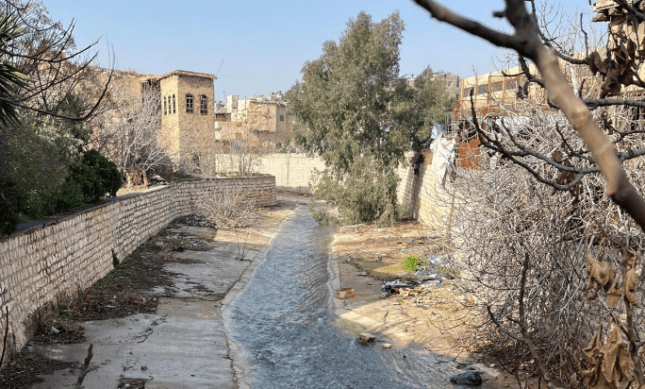
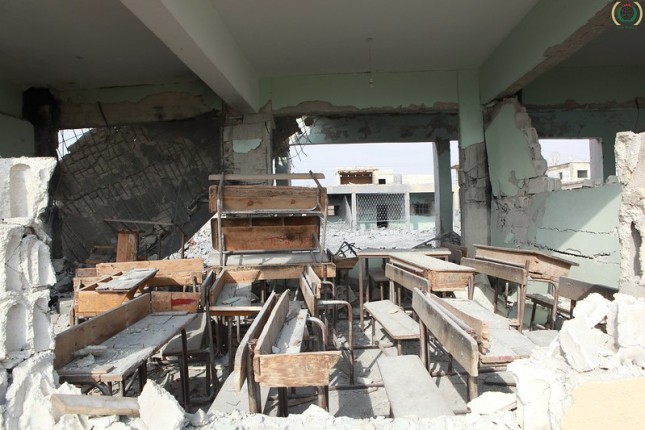
I recently returned to Syria for my first peacetime visit. Unsurprisingly, the country is an awful mess. The destruction is somehow slightly more conspicuous than it seemed through a number of trips between 2014 and 2022. People’s exhaustion is palpable, and the economic situation is every bit as bad for many now as it was during the war. A formidable—and thus far entirely unanswered—environmental question also looms: how on Earth is the country’s landscape to be salvaged?
-
How We Misunderstand the Magnitude of Climate Risks – and Why That Contributes to Controversy
›
For years, analysts have disputed the extent of climate change’s role in conflict. But the nature of climate risks can stifle those looking to define them.
The Syrian civil war has raged for almost a decade now, and in the climate security community it can feel as if we’ve spent at least that long arguing about its causes. For every claim about the impact of extreme drought in the lead up to 2011, there’s been blowback, with some scholars arguing that the climate angle has been exaggerated at the expense of other causes of the conflict. And for every argument about rural-to-urban migration, there have been suggestions that its impact in precipitating protests has been overstated. Amid some overly forceful media assertion about the significance of climate change—and valid fears that invoking the environment might be seen as absolving guilty parties, despite efforts to highlight the regime’s ultimate culpability—climate security analysts have struggled to fully pinpoint climate’s precise contribution to the conflict. Cue uncertainty, controversy, and sometimes fierce academic polemics.
-
Where the Oil Runs Deep, Water Turns Foul
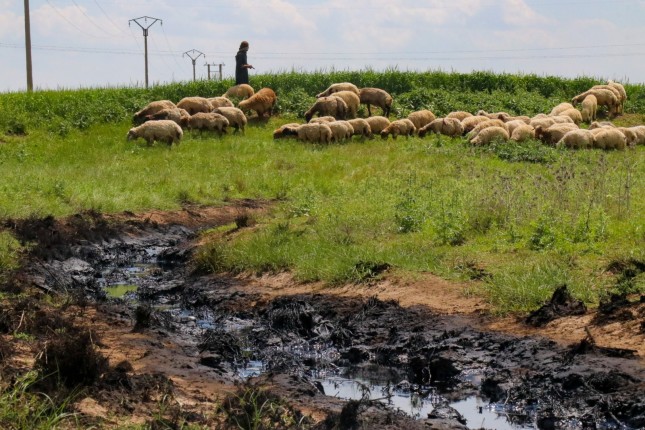
›When Farhad Ahma returned to his native country last year on a work trip, his first thought was of his small daughter back home. The air around him was so thick with pollution, he couldn’t imagine she would survive the climate in this region of northeastern Syria. Ahma himself struggled to breathe almost as soon as he arrived, nauseated by the heavy smell within a couple hours. He was born and raised nearby, in a city called Qamishli, but he had lived in Berlin for some time now. Returning was a shock to his system.
-
Refugees and COVID-19: A Closer Look at the Syrian and Rohingya Crises
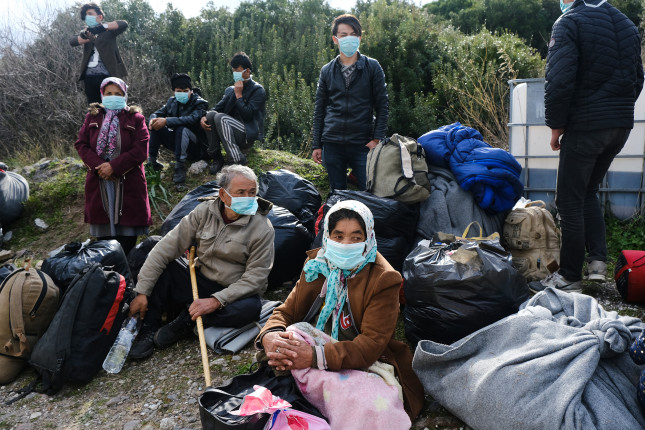
›“We all know that while no one is immune from the Covid-19 virus—and people of all types have caught the virus and died from it—it is the world’s most vulnerable communities that have suffered disproportionately from the pandemic,” said Michael Kugelman, Deputy Director and Senior Associate for the Wilson Center’s Asia Program. He spoke at a recent Wilson Center event on the impact of the COVID-19 pandemic on refugee communities. As of 2019, 1 percent of humanity was displaced. That’s more than 79.5 million people. The COVID-19 pandemic has exacerbated the vulnerabilities of these people. “The health pandemic is fostering a new pandemic of poverty,” said Matthew Reynolds, Regional Representative for the U.S. and the Caribbean at the United Nations High Commissioner for Refugees (UNHCR).
-
Covid-19 and Conflict Zones: Prepare Now or Face Catastrophe
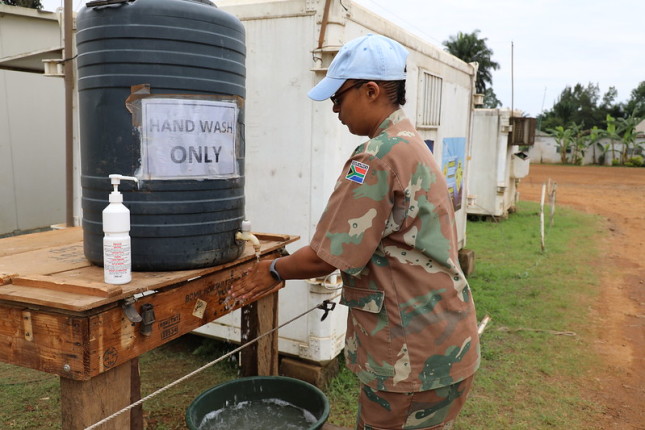
›As we have seen over recent weeks, the impact of Covid-19 has caused unprecedented disruption, deaths, and confusion in developed countries. The public health capacity of countries such as the United States and UK has been overwhelmed.
-
The Environment Has Become a Hostage of Armed Conflict
›This year, 2019, marked a new nadir for the environment that may reflect an ominous trend in warfare: Environmentally sensitive targets are being weaponized and taken hostage. Farmland went up in flames and burning oil tankers dominated the headlines, serving as a stark reminder of conflict’s ripple effects.
-
How Fires Threaten Syria’s Security
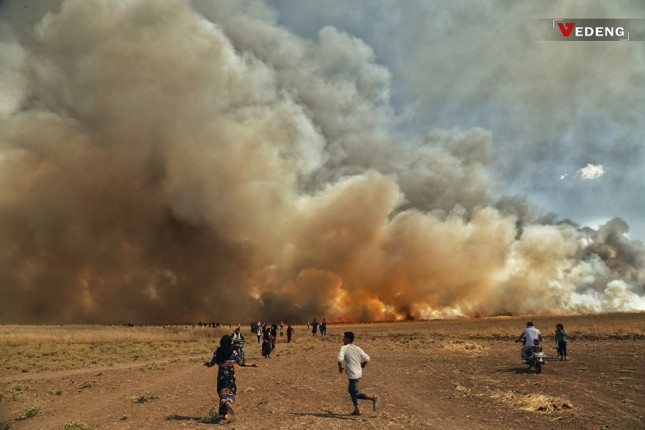
›Fires are proliferating. By the end of September, over 4,500 active fires had been detected in Syria during 2019. From May through June, 2,106 of these fires burned in northeastern Syria—Raqqa, Deir ez-Zour, and Al-Hasakeh – as documented by the nongovernmental organization, REACH. Meanwhile, widespread fires in Brazil’s Amazon rainforest caused global alarm. World leaders are becoming increasingly concerned about the environmental threats posed by increased fires, but Syria’s fires may also be linked to security threats.
-
Erika Weinthal on the Weaponization of Water in Conflict Settings
›“When you’re in a post-conflict phase, it means we really should be moving away from humanitarian assistance into development because we’ve moved along the conflict spectrum toward peace and development,” says Erika Weinthal, the Lee Hill Snowdon Professor of Environmental Policy at Duke University, in this week’s Water Stories podcast.
Showing posts from category Syria.
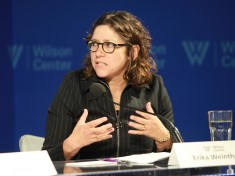 “When you’re in a post-conflict phase, it means we really should be moving away from humanitarian assistance into development because we’ve moved along the conflict spectrum toward peace and development,” says Erika Weinthal, the Lee Hill Snowdon Professor of Environmental Policy at Duke University, in this week’s Water Stories podcast.

