

-
A Chronic Crisis, Now Acute: WWF’s Recommendations for the First U.S. Global Water Strategy
›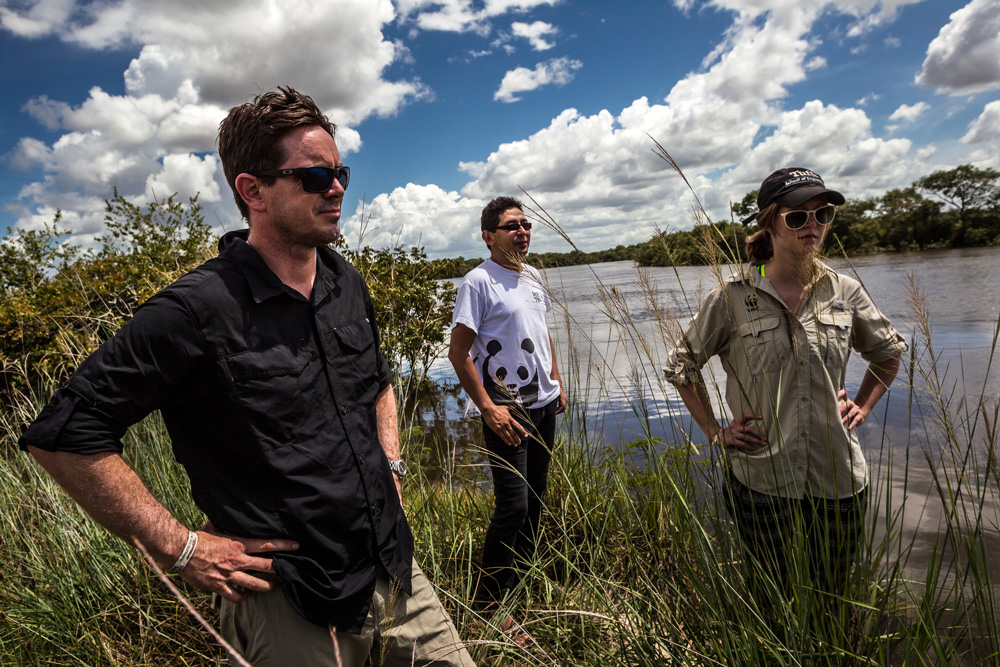
The intelligence community’s landmark Global Water Security assessment in 2012, warned of major water-driven challenges to U.S. national security. The combined assessment of several intelligence agencies foresaw many challenges to U.S. policy objectives and national security arising from protracted drought, declining water quality, and more natural disasters in countries important to U.S. interests. The intelligence community further warned of rising social instability, cross-border tensions, and a steady drain of resources away from other development objectives. These warnings have proven prescient.
-
Climate and Human Change in Biodiversity Hotspots, and Assessing the Tradeoffs of Bolivia’s Quinoa Craze
› In a recent article published in PLOS ONE, Juliann E. Aukema, Narcisa G. Pricope, Gregory J. Husak, and David Lopez-Carr address the impacts of climate change and population growth on areas with vulnerable ecosystem services and biodiversity, and in reverse, how degraded ecosystem services effect vulnerable populations. The authors analyze locations between 50 degrees latitude north and south that had changing precipitation patterns in the past 30 years.
 -
Are We Headed Toward “Recurring Storms” of Global Food Insecurity?
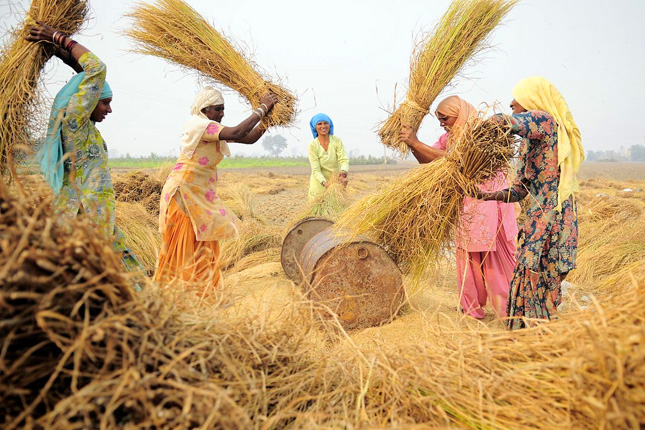
›February 27, 2017 // By Erica MartinIt’s often assumed that in the modern era, food security is an achievable goal. But between 2007 and 2008, a confluence of conditions shook the international food system to its core, fueling unrest and riots in more than 40 nations around the world. What’s more, this “perfect storm” may have been only a harbinger of challenges to come, according to a new report by Emmy Simmons of the Center for Strategic and International Studies (CSIS).
-
Michael Kimmelman, The New York Times
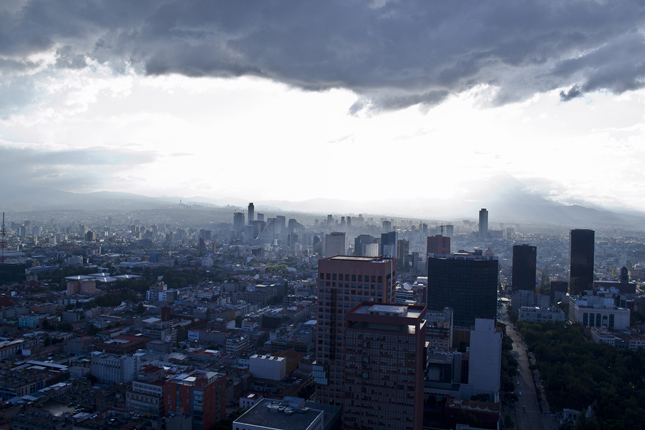
Mexico City, Parched and Sinking, Faces a Water Crisis
›February 20, 2017 // By Wilson Center StaffMEXICO CITY – On bad days, you can smell the stench from a mile away, drifting over a nowhere sprawl of highways and office parks.
-
Richard Choularton on 3 Steps to Avert the Famines We See Coming
›There has been great progress in anticipating famines in recent years, with most predicted six or more months ahead of time, says Richard Choularton, senior associate for food security and climate change at Tetra Tech, in this week’s podcast. But action to address their humanitarian impacts has lagged. Responses need to be more consistent and faster, he says, happening “almost without human intervention.” -
Insights on Ending Famine and Creating Food Security in a Changing World
›The effects of climate change combined with breakdowns in governance are leading to food insecurity “on a scale that we’ve rarely seen,” said Alex de Sherbinin, associate director of Columbia University’s Center for International Earth Science Information Network, at the Wilson Center on January 26.
-
Torn Social Fabric: Water, Violence, and Migration in Central America
›In the first half of last year, 26,000 unaccompanied children were apprehended by U.S. law enforcement trying to cross the southern border. Most came from Central American states like El Salvador, Guatemala, and Honduras. Such displacement is just the tip of the iceberg in terms of migration in the region. Many more are moving from rural to urban areas and into neighboring countries seeking opportunity and fleeing violence.
-
New “Backdraft” Podcast Series, on the Peace and Conflict Consequences of Climate Responses
›The science is clear: To prevent major disruption, the global community must take steps to address climate change. But it is also increasingly clear that efforts to address climate change can have major effects on societies that are not always anticipated.
Showing posts from category risk and resilience.
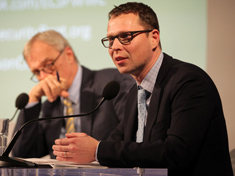 There has been great progress in anticipating famines in recent years, with most predicted six or more months ahead of time, says Richard Choularton, senior associate for food security and climate change at Tetra Tech, in this week’s podcast. But action to address their humanitarian impacts has lagged. Responses need to be more consistent and faster, he says, happening “almost without human intervention.”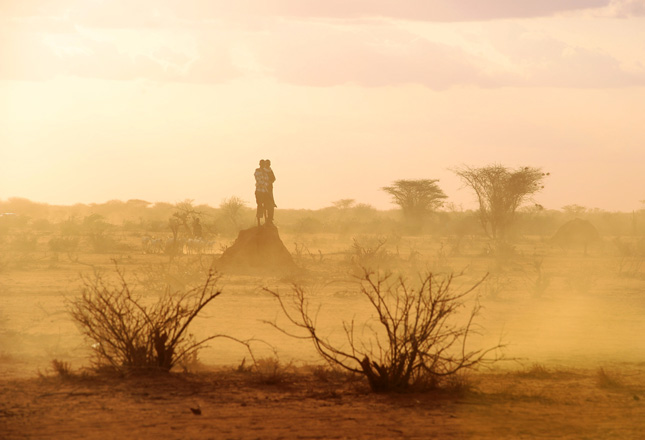
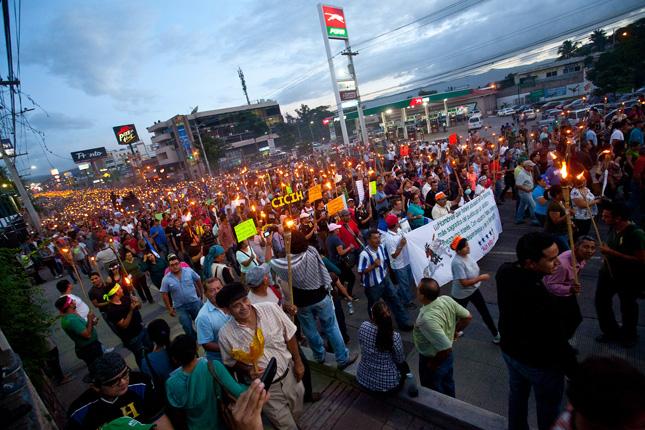
 The science is clear: To prevent major disruption, the global community must take steps to address climate change. But it is also increasingly clear that efforts to address climate change can have major effects on societies that are not always anticipated.

