-
Before the Waters Rise: Nigeria’s Predictable Flood Crises
›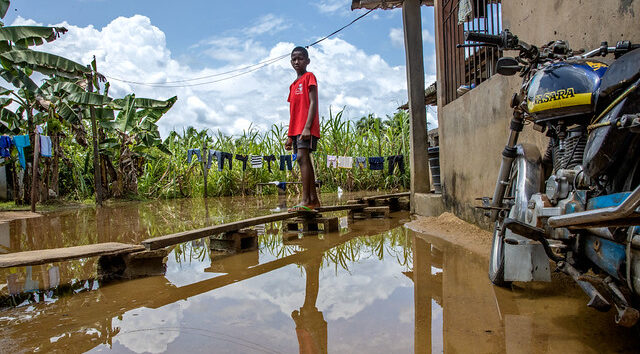
Devastating floods in Mokwa, a rural town in Niger State, claimed lives and destroyed homes and livelihoods in May 2025, and displaced many other residents as well. Yet, in Nigeria today, such flooding has become a predictable seasonal emergency. The real questions each year are not whether such floods will occur, but where they will happen—and if public institutions will act in time to prevent the next deluge from becoming yet another tragedy.
-
Environmental Security Weekly Watch: April 20-24, 2026
›
A window into what we’re reading in the Stimson Center’s Environmental Security Program
The Bolivian Cacao Farmers Taking on the Gold-Mining Industry (The Guardian)
Cacao farmers in Bolivia’s Alto Beni and Palos Blancos municipalities successfully pushed for local mining bans in 2021, protecting their organic agroforestry land from the destructive gold rush sweeping the region. Gold prices are up over 64% since 2020—intensifying illegal and legal mining across Bolivia, driving deforestation, mercury poisoning, flooding, and encroachment into protected national parks. Communities near active mining zones report polluted rivers, declining fish populations, and mercury-related illnesses.
-
When Climate Extremes Don’t Lead to Conflict: Evidence from the Pacific Islands
›The article was adapted from “Local Resilience Can Mitigate Climate Conflicts in the Pacific,” published by Global Outlook.
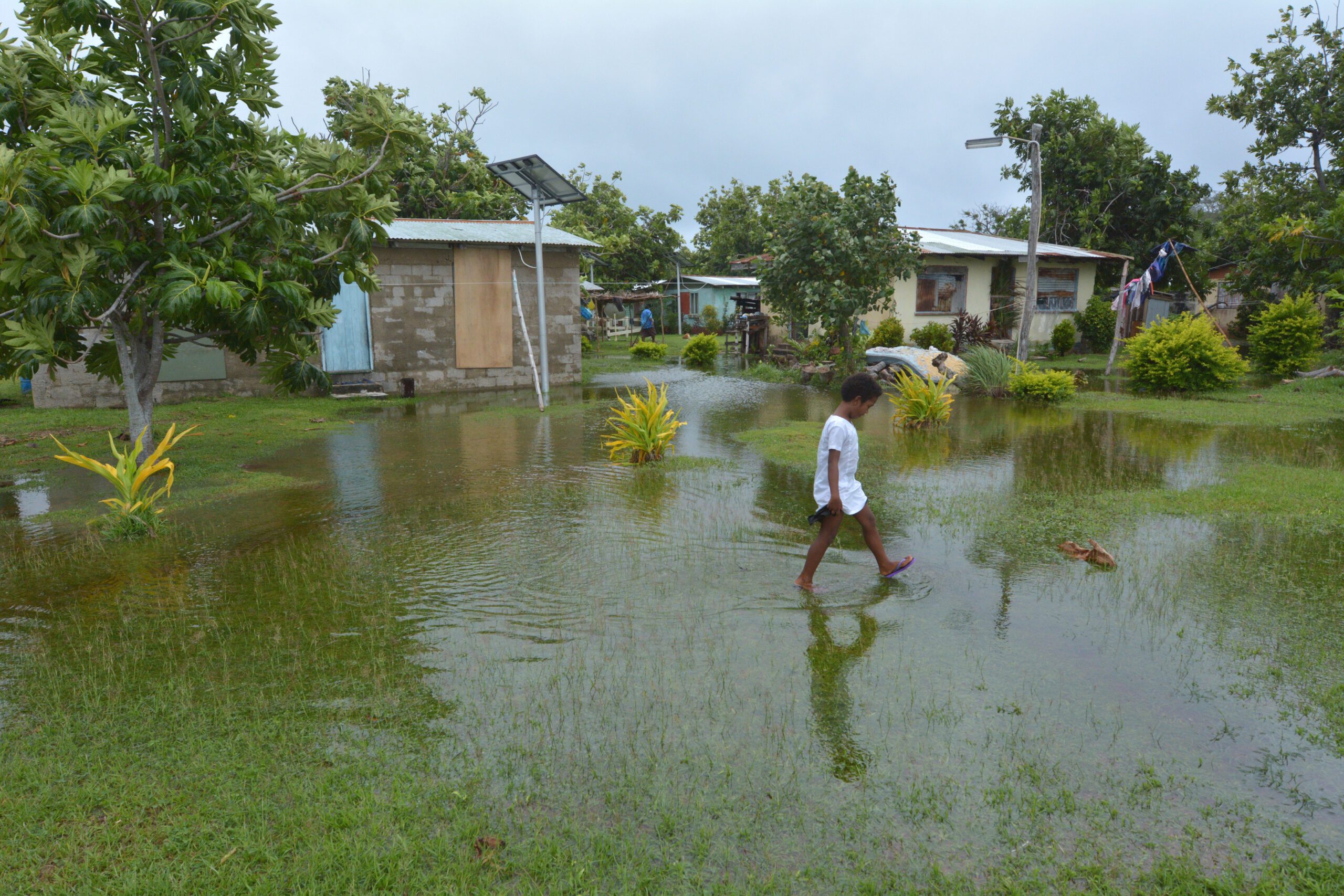
Pacific Island countries sit at the frontline of climate change. Many consist of small, low-lying islands, with long coastlines and vast ocean spaces between them. Livelihoods often depend on agriculture and fishing, and importing water or food is often infeasible or expensive. This makes those large ocean nations highly vulnerable to the impacts of climate change, such as storms, droughts, and rising sea levels.
-
Environmental Security Weekly Watch: February 9-13, 2026
›A window into what we’re reading at the Stimson Center’s Environmental Security Program
Reconciling Mineral Demand in Greenland with Arctic Realities (Yale e360)
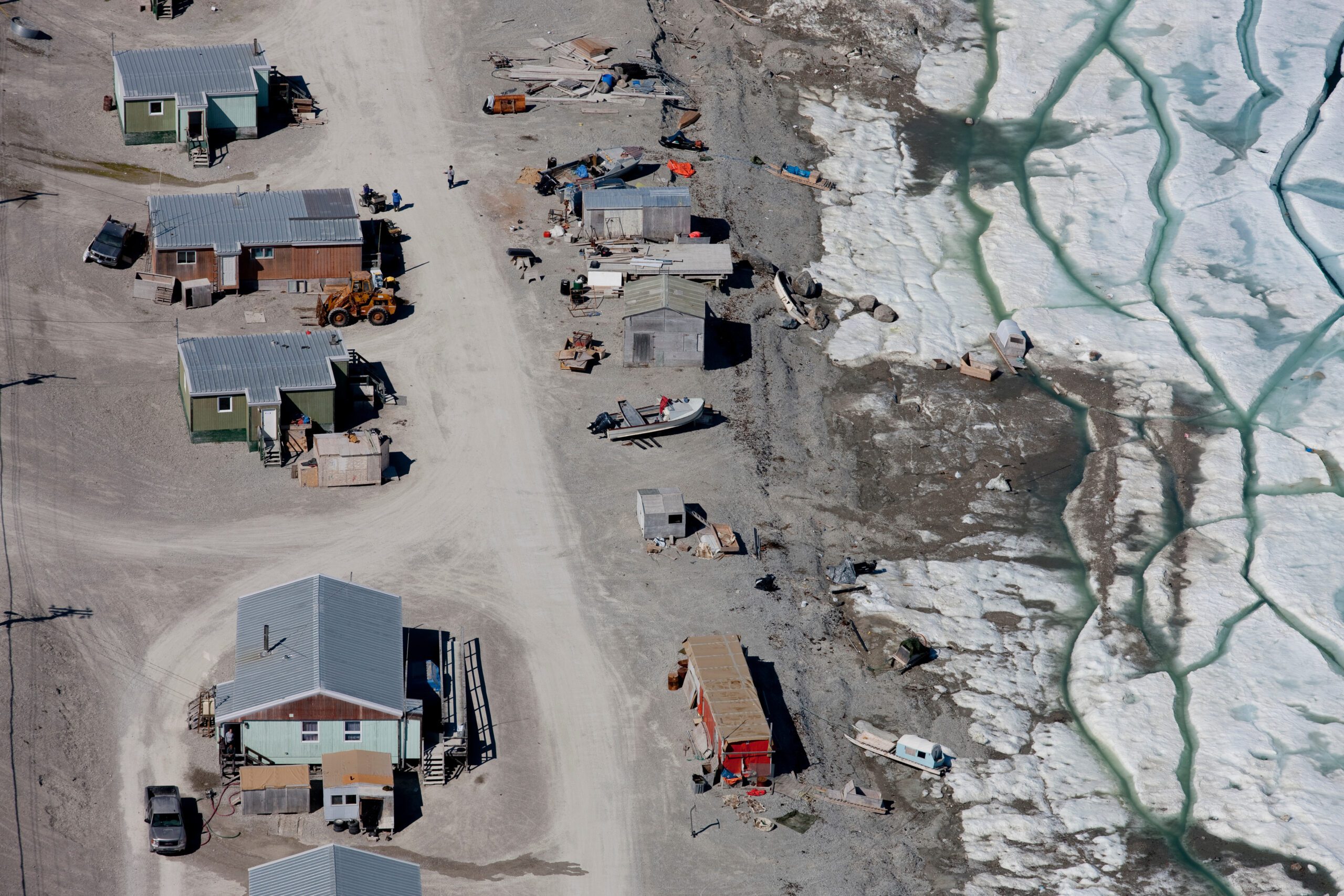
President Donals Trump’s recent push to access Greenland’s critical minerals faces severe logistical and environmental challenges. While the island possesses 25 of the 60 minerals in high demand in Washington, Greenland has fewer than 100 miles of roads, a tiny labor force, 16 small ports, and inconsistent electricity. Its unique geography and harsh conditions—including minus 40°F temperatures, high winds that ground helicopters, and pack ice which hinders ships—will require potentially costly new extraction technologies. (Indeed, present conditions already make extraction five to ten times more expensive than in temperate regions.
-
Reconsidering Arctic Resilience: Community Bonds and Coping with Change
›Guest Contributor // February 11, 2026 // By Nadezhda Filimonova, Anngelica Kristoferqvist, Åsa Andersson, Francis Joy & Katariina VuoriPresident Donald Trump’s revived interest in buying Greenland attracted worldwide attention to the Arctic and triggered renewed geopolitical discussions about the region. These policy and academic debates mainly focus on traditional military threats and protecting national interests linked to great power rivalries—specifically a broader global competition involving the USA, Russia, and China.
-
What Asia Can Learn from Ukraine’s Quest for Energy Security
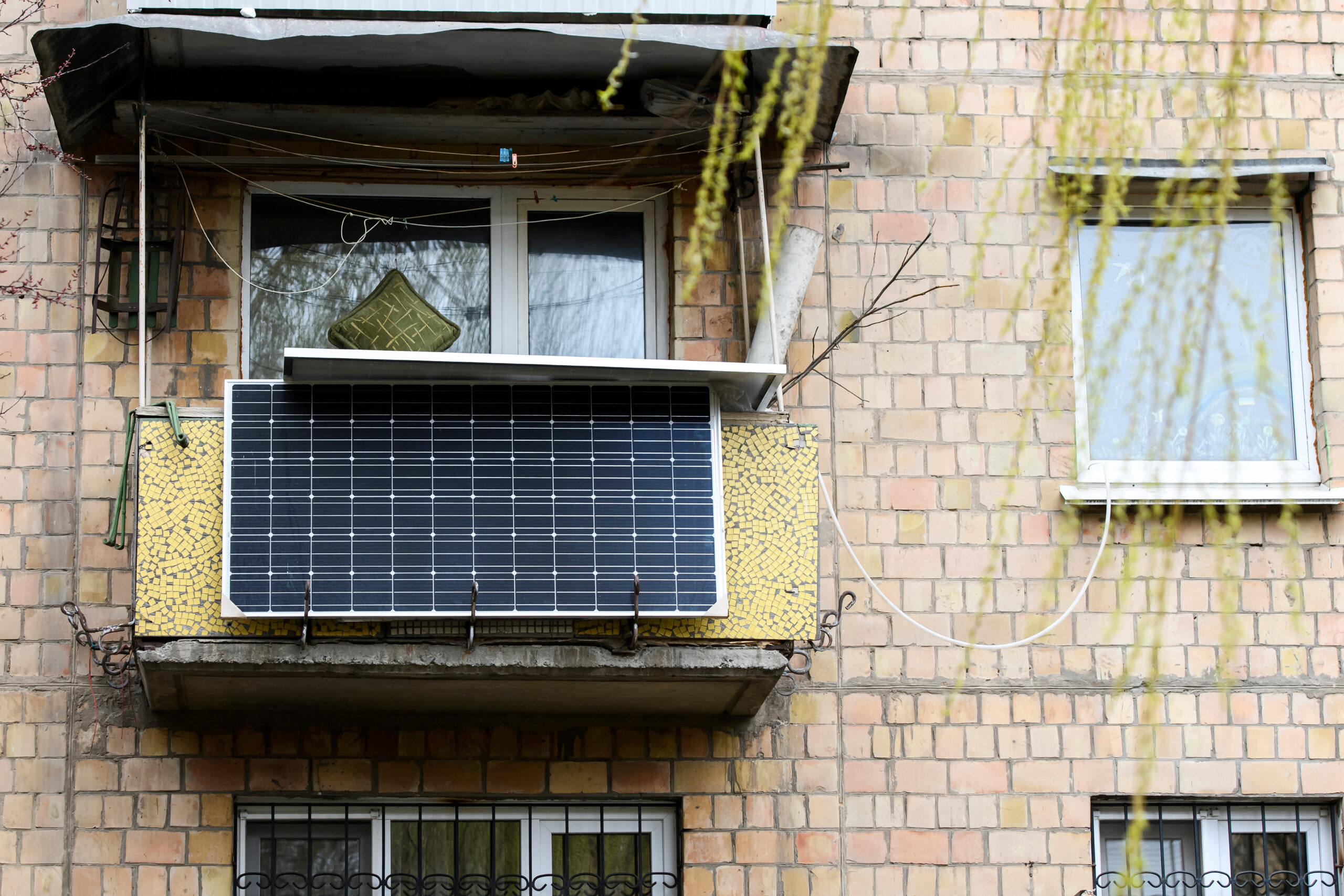
›Within a month of escalated Russian airstrikes on its energy systems in October, Ukraine secured U.S. liquified natural gas (LNG) imports via Greece for the coming winter. While this deal demonstrated both the nation’s rapid wartime agility and capacity for energy diversification, it is only one part of a broader transformation of Ukraine’s energy future.
-
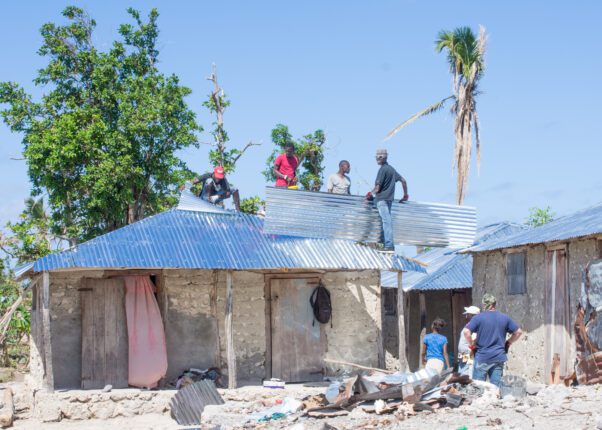
In the Wake of a Tropical Cyclone: Turning to Violence or Building Peace?
›“It seems like the news is always bad, right?” observed retired climate and atmospheric scientist James Kossin in a BBC interview last autumn.
Kossin was describing how climate change is weakening the wind shear patterns that have helped lessen the impacts of tropical cyclones in the United States. And, indeed, there is mounting evidence for his observation.
-
ECSP Weekly Watch | March 17 – 21
›A window into what we’re reading at the Wilson Center’s Environmental Change and Security Program
Canal Projects Endanger Water Security in Pakistan’s Indus Delta (Al Jazeera)
Dozens of villages in the Indus Delta have been submerged by the encroaching sea over recent years, pushing thousands to migrate inland. Now, local residents in Pakistan fear that new canal projects may further exacerbate water shortages in the region.
Showing posts from category risk and resilience.