-
Making ‘Healthy People, Healthy Environment’: A Look Inside Integrated Development
›“We need dynamic approaches. We can’t just keep going with the single sector approach and hoping that a conservation project will do really more than it’s intended to do,” said ECSP’s Multimedia Editor Sean Peoples in an interview with Dialogue at the Wilson Center. “These people are living integrated lives. How can we have integrated solutions for them?”
-
UNEP Highlights Environmental Impacts on Health in Africa
›March 20, 2013 // By Carolyn Lamere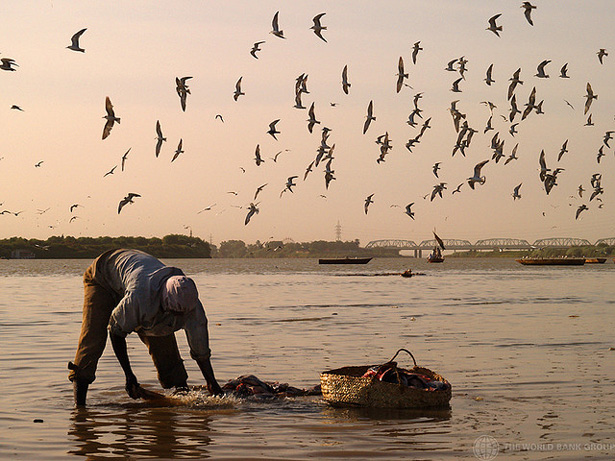
While it can be convenient to think of human health and the environment as unrelated silos, they are in fact closely related. The United Nations Environment Program (UNEP) recently released a report underscoring this point especially for Africa, where large numbers of people are directly reliant on natural resources for their livelihoods.
-
East Asia’s Many Maritime Disputes and the Imperative of Energy Access
›Friction between Japan and China in the East China Sea has escalated this year to the point where jets on both sides have been scrambled and Chinese military vessels have locked their fire control radar onto their Japanese counterparts multiple times. The source of this tension is the Senkaku (as they are known in Japan) or Diaoyu (if you’re in China) Islands – specifically, who owns them.
-
Avoiding the Resource Curse in East Africa’s Oil and Natural Gas Boom
›
This year, Texas-based Anadarko and Italian partner ENI are due to make the final investment decision on whether to construct one of the largest liquefied natural gas facilities in the world in Mozambique. The complex would allow them to tap into deep off-shore gas fields that could rival Australia and Qatar as the largest liquefied natural gas reserves in the world.
-
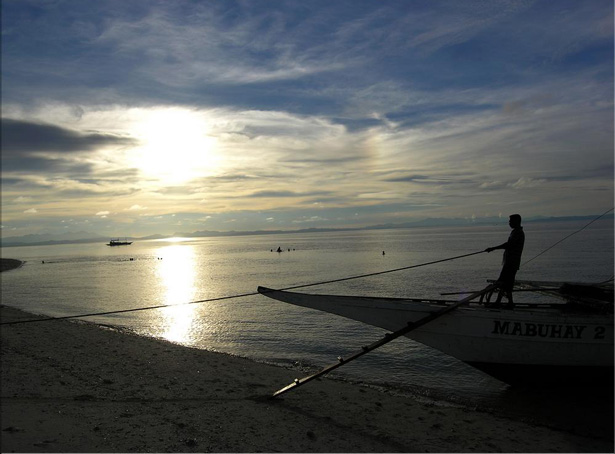
Sam Eaton on Food Security, Family Size, and Family Planning in the Philippines
›February 13, 2013 // By Graham Norwood“We chose the Philippines because we really wanted to do a story that looked at population growth,” reporter Sam Eaton says of his two-part contribution to the Food for Nine Billion project, which aired last year on PBS’ NewsHour and American Public Media’s Marketplace. Eaton recently visited the Wilson Center to discuss his experiences in the Philippines, describing the heavy toll overcrowding and poor resource management is taking on the country’s ecosystems and highlighting how access to family planning may hold the key to a better future.
-
A Year for Cooperation, Not Conflict, Over Water
›February 12, 2013 // By Kate DiamondYou might think that conflict over water is inevitable as rising temperatures and changing climates are expected to constrain supplies in the coming decades at the same time that expanding consumption standards and growing populations are expected to boost demand. But you’d be wrong, according to the United Nations – and they’re launching the International Year for Water Cooperation this week to make that point.
-
Fishing for Families: Reporting on Population and Food Security in the Philippines
›“My income is just right to feed us three times a day,” Jason Bostero told Sam Eaton in the rural Philippine village of Humayhumay. “It’s really, really different when you have a small family.” Eaton traveled to the Philippines to report on the connections between food security and population for Homelands Productions, creating a short film and radio piece that ran on NewsHour and Marketplace as part the Food for Nine Billion series last year. [Video Below]
-
Planning for Complex Risks: Environmental Change, Energy Security, and the Minerva Initiative
›2012 witnessed a remarkable number and extremity of environmental conditions, from Hurricane Sandy and the U.S. drought to wildfires in Siberia and drought-driven blackouts in India. Arctic sea ice melted to its furthest extent in recent history. The energy landscape continued to change as well, from the launch of the U.S. Navy’s Great Green Fleet to the first liquefied natural gas shipments across the Arctic. As President Obama clearly stated in his second inaugural address, climate change is heightening both our risks and the need to respond, but tying together all of these issues is a highly complex endeavor.
Showing posts from category oceans.