-
Community-centered Approaches to Green Mineral Mining: A Conversation With Pact’s Roger-Mark De Souza
›
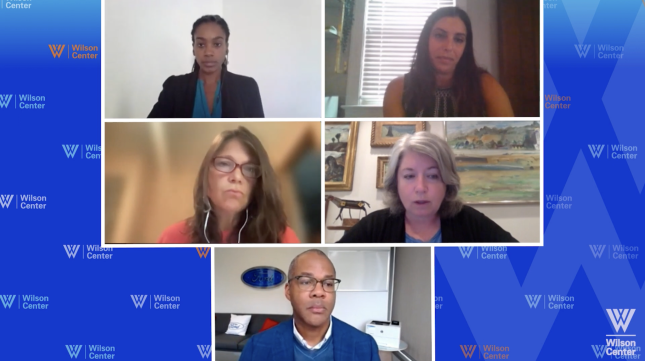
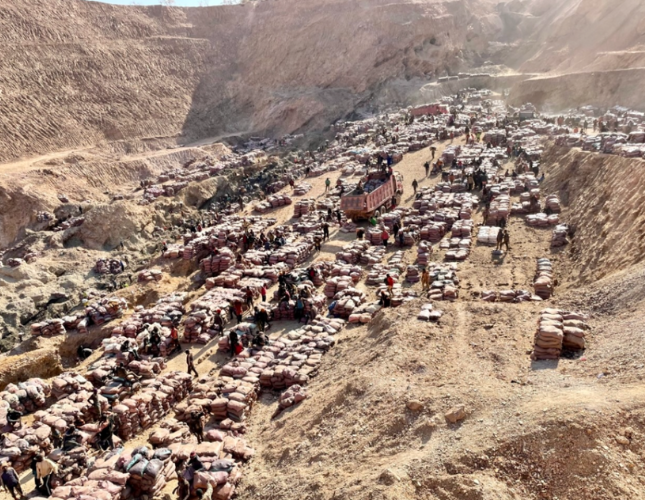
According to the World Bank, building enough renewable energy infrastructure to keep global warming below 2C will require more than 3 billion tons of minerals. Reducing emissions quickly is crucial to minimizing risk for the world’s most climate-vulnerable communities, many of whom are on the front lines of a crisis they did not create. But unless we are careful, ramping up mining in order to decarbonize could actually worsen inequity and injustice. “How do we do this quickly, safely, and sustainably, in ways that benefit all?” asks Lauren Risi, Director of the Wilson Center’s Environmental Change and Security Program in this week’s New Security Broadcast.
-
New Analysis by Peter Schwartzstein: How Water Strategizing is Remaking the Middle East
›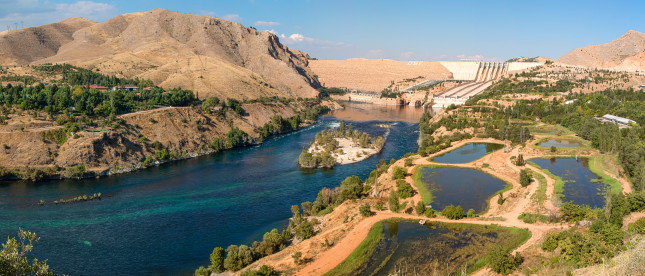
In the run up to COP 27 in Sharm El-Sheikh, Egypt, the first summit of its kind to be hosted in the region, water is rising on the agenda, and for good reason. In a new essay for the Wilson Center, Global Fellow Peter Schwartzstein explores how governments across the Middle East are approaching a world with less water – and to what effect. Drawing on a decade of environmental reportage from the Middle East, Schwartzstein sketches out how, why, and with what consequences states have adopted often dramatically divergent strategies.
-
What Better Looks Like: Breaking the Critical Minerals Resource Curse
›In recent years, the urgency of climate action has brought fresh attention to the critical minerals sector. Growing renewable energy investments are driving up demand for resources like lithium, cobalt, and copper, which form the mineral backbone of green technologies. But there are substantial concerns to navigate when it comes to sourcing green energy minerals.
-
Protecting Human Rights in DRC Cobalt Mines: A U.S. Priority in a Green Transition
›Secretary of State Anthony J. Blinken recently reaffirmed the Democratic Republic of Congo (DRC)—a nation located in Africa’s heart—as a “geostrategic player and critical partner” for the United States. It is a country that features prominently in climate change discussions, not only because of its vast natural resources (including mineral wealth estimated to be the largest in the world, as well as possession of a forest cover second only to the Amazon Basin), but especially due to its cobalt reserves.
-
Addressing the Global Food Crisis: CIMMYT Experts Weigh In
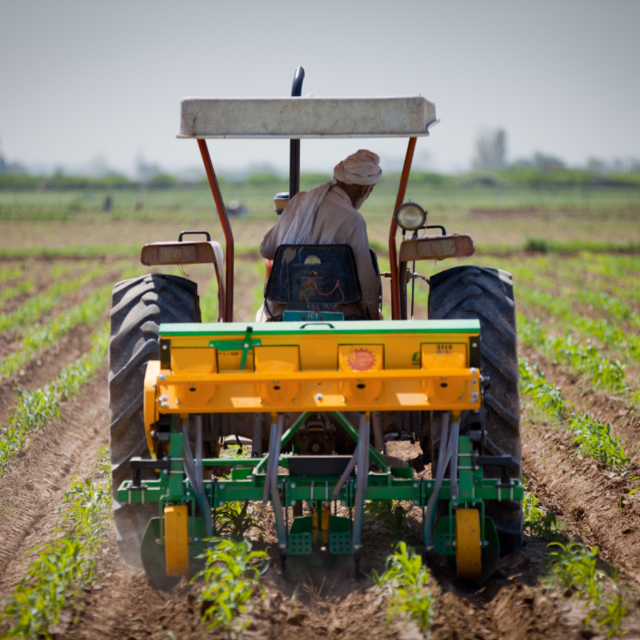
›The confluence of climate change, COVID-19, and the war in Ukraine have placed enormous stress on food systems across the globe. Food insecurity spiked in 2020 and has stayed high, and the number of undernourished people is on the rise. -
Confronting Seismic Shocks: New WQ Article Looks at “Russia’s War on Natural Resources”
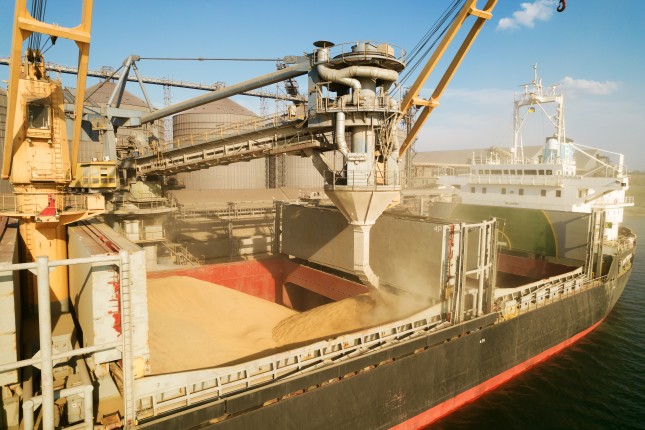
›July 29, 2022 // By Claire DoyleWhen Russia struck a deal with Ukraine on July 15, there was hope that millions of tons of food would once again be able to flow from the embattled country. Under the agreement, brokered by Turkey and the UN, Russia would lift naval blockades and allow large-scale shipments of grain to leave Ukraine’s ports. -
The Promise of Transatlantic Partnerships in the Critical Mineral Supply Chain
›Supply chain considerations in today’s globalized economy have expanded beyond minimizing costs. As Duncan Wood, Vice President for Strategy and New Initiatives and Senior Advisor to the Mexico Institute at the Wilson Center, noted at a recent panel hosted by the Environmental Change & Security Program as part of the Transatlantic Climate Bridge conference, issues ranging from environmental, social, and corporate governance (ESG) to national security and geopolitics, have transformed critical mineral supply chains into something that is now “inherently political.”
-
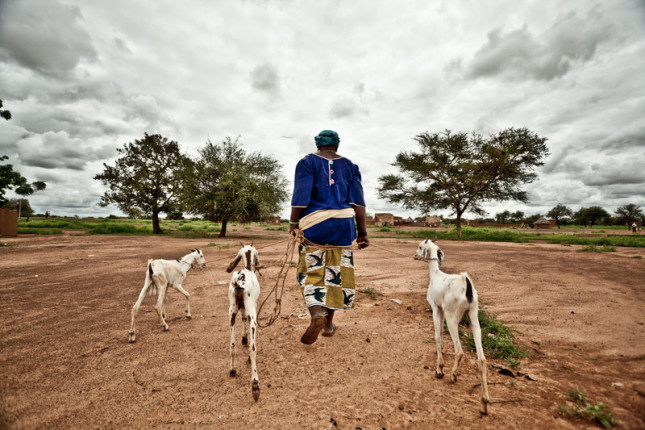
What’s in a Name? Making the Case for the Sahel Conflict as “Eco-violence”
›The Sahel region of Africa is a semi-arid, arc-shaped landmass that stretches 3,860 kilometres from Senegal across portions of Mali, Burkina Faso, Niger, Nigeria, Chad, and even Sudan. It is also the most neglected and conflict-ridden part of the planet, according to the Norwegian Refugee Council.
Showing posts from category natural resources.
 The confluence of climate change, COVID-19, and the war in Ukraine have placed enormous stress on food systems across the globe.
  When Russia struck a deal with Ukraine on July 15, there was hope that