-
Photo Essay: Wuhai City Coal Complex Shows Costs of China’s Energy Demands
›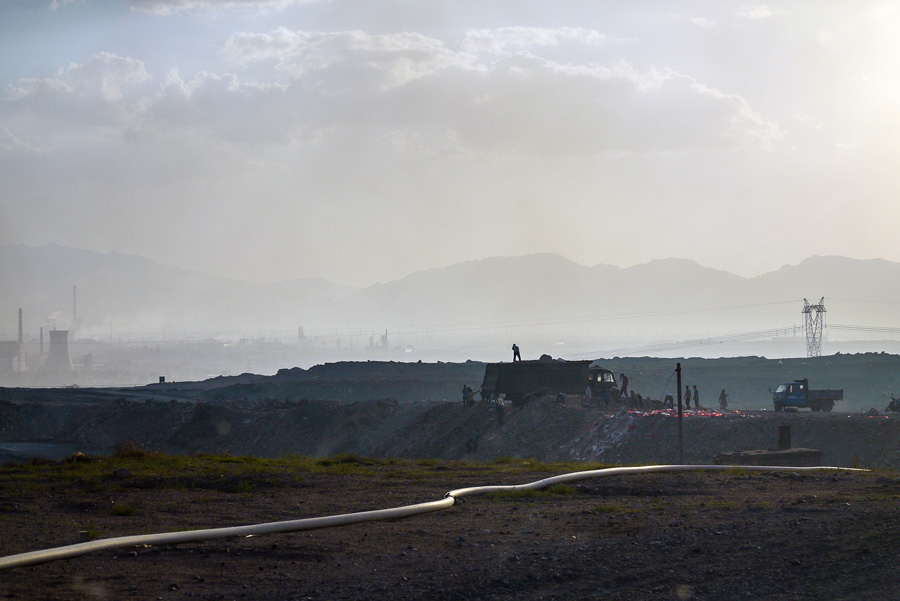
The black, blasted landscape of Wuhai City sometimes looks more like the moon than Inner Mongolia. But this scene is becoming all too common across much of Northern China. China’s massive coal industry is not only polluting the air and water, but also fundamentally altering the surrounding landscape and communities.
-
Babbage, The Economist
Cloudy With a Chance of War?
›August 8, 2013 // By Wilson Center Staff
The original version of this article appeared on The Economist’s Babbage blog.
Earth’s climate is changing, whether you like it or not. As it does, other changes – like rising sea levels or falling crop yields – follow. It is easy to see how this might lead to conflict. Competition for ever scarcer resources such as arable land and its bounty can turn ugly. As the price of food rises the poor, who spend more of their income on it, are hit more than the rich, exacerbating income inequality and leading to disaffection, resentment and, possibly, violence.
-
First “Nexus Dialogue” on Water, Energy, and Food Kicks Off in Nairobi
›Water, energy, and food – this “nexus” of interrelated resource issues continues to garner attention from analysts, policymakers, and the media. Over the next four decades global population is projected to increase to about 9.6 billion and, worldwide, demand for water is projected to increase 55 percent; energy, 80 percent; and food, 60 percent. In a new video about the first of a series of workshops on this nexus, the International Union for Conservation on Nature and the International Water Association explain how they are working to bring together private and public sector water infrastructure experts from across Africa and the world to build partnerships and create some consensus on a “nexus-based approach” to managing scarce resources.
-
The Great Anatolia Project: Is Water Management a Panacea or Crisis Multiplier for Turkey’s Kurds?
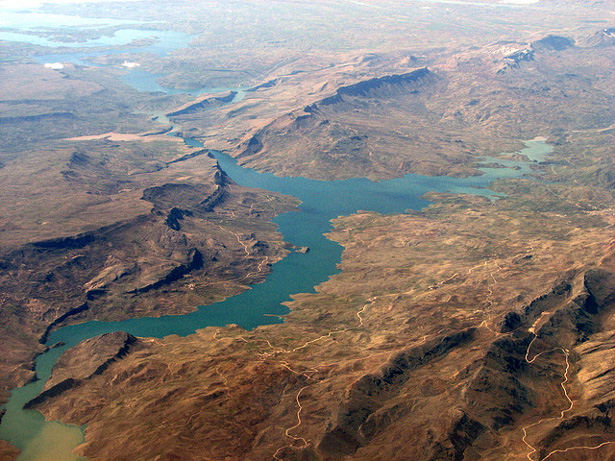
›During the Gezi Park protests last month in Istanbul, Turks and Kurds dismissed historical mistrust and banded together against Prime Minister Erdogan’s growing authoritarianism. Some have suggested the newly unifying cause has strengthened momentum for a long-standing solution to Kurdish autonomy and rights in Turkey. Still it may be water that the fate of Kurdish ambitions is most tied to, rather than officials in Ankara or protestors in Istanbul.
-
Backdraft: Flipping the Frame on Conflict and Climate Change
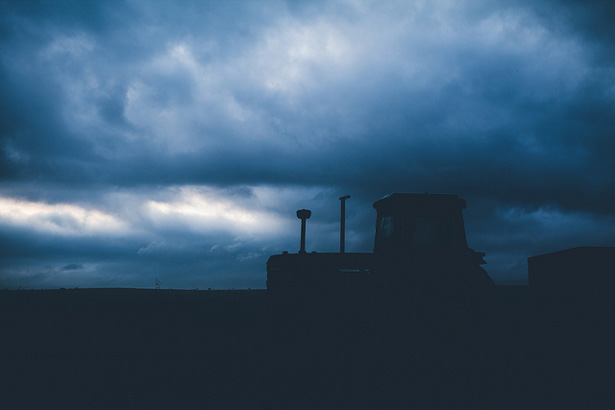
›Fire needs oxygen to burn. When a fire starts inside a building, the floors, ceilings, walls, doors, and windows can constrict the flow of air. Breaking in to fight the fire thus carries the risk of opening a new airway. If that happens, a smoldering fire can expand explosively, bursting into roaring flames as it sucks air in through the new passageway. This sudden inrush of air to fuel a burst of fire has a name: backdraft.
-
Margarita Mora, Human Nature
Peruvian Farmers Change Attitudes Toward Forest Protection
›The original version of this article, by Margarita Mora, appeared on Conservation International’s Human Nature blog.
I first visited Peru’s Alto Mayo Protected Forest in 2008. At the time, deforestation rates there were among the highest in the country. CI-Peru wanted to find a way to help communities and Peru’s National Service of Natural Protected Areas (SERNANP) keep their trees standing.
-
Mike Ives, Yale Environment 360
Vietnam’s Rice Boom Has Steep Environmental Costs for Mekong Delta
›July 17, 2013 // By Wilson Center StaffThe original version of this article, by Mike Ives, appeared on Yale Environment 360.
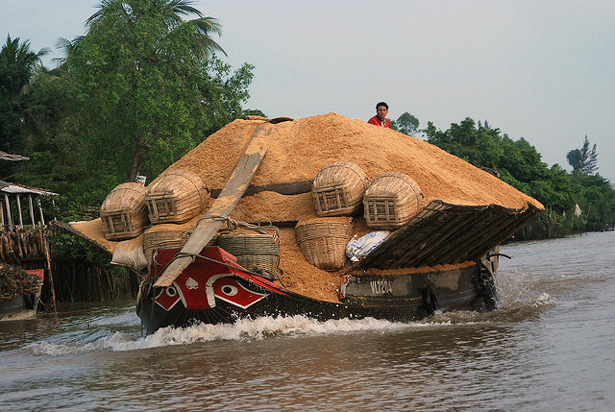
Phan Dinh Duc leans against yellow sacks of freshly harvested rice. It’s a warm spring evening in Vietnam’s Mekong Delta, and Duc, a local farmer, is waiting for traders to arrive by truck to purchase his produce and sell it on commodities markets. Beyond him lies a vast checkerboard of rice paddies, each filled with water and bordered by a network of canals and roughly 10-foot-high earthen dikes. They enable year-round rice cultivation in an area where, a half century ago, vast floodplains typically lay fallow for half the year and farmers planted one annual rice crop that grew in tandem with seasonal floods.
-
Minegolia: China and Mongolia’s Mining Boom
›China Environment Forum // Choke Point // July 16, 2013 // By Clement Huaweilang Dai & David Tyler GibsonChina’s economic boom appears to be contagious. Over the past few years, China’s northern neighbor has quietly caught the bug and become the world’s second-fastest growing economy, experiencing a GDP growth rate of approximately 17.3 percent in 2011.
Showing posts from category natural resources.