-
Curbing China’s Massive – and Destructive – Distant Water Fishing Fleet
›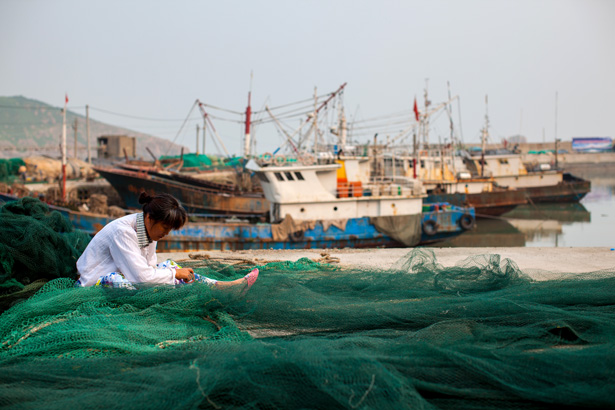
Last month, two Chinese fishing boats were caught operating illegally in South Korean waters. The incident made local headlines and minor diplomatic waves, but it’s just a drop in the bucket in what has become a troubling trend for China’s foreign water fishing fleets. Over the last decade, there have been more than 4,600 cases of Chinese fishing boats being caught illegally in South Korea’s waters alone, according to the government, and these marine transgressions have not been limited to neighbors.
-
“We Are Not Sitting Idle, We Are Fighting”: Interview With Saleemul Huq on Bangladesh’s Climate & Food Challenges
›
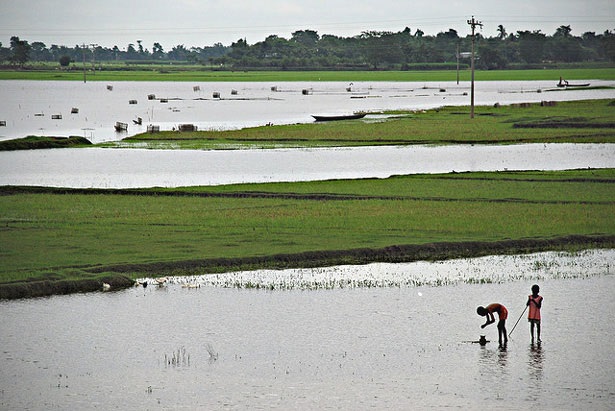
When it comes to climate change vulnerability, it sometimes seems as if all eyes are on Bangladesh. As part of my research for a recent article exploring the rise of aquaculture in the country, I interviewed Saleemul Huq, senior fellow at the International Institute for Environment and Development in London, former executive director of the Bangladesh Center for Advanced Studies, and lead author of two chapters on adaptation and sustainable development in the IPCC’s third and fourth assessment reports. A number of his quotes made it into the final story but I wanted to provide the full transcript here as well, as his thoughts on the country’s climate-related risks, food security, and population dynamics are worth a read.
-
A Dialogue on Pakistan’s Galloping Urbanization
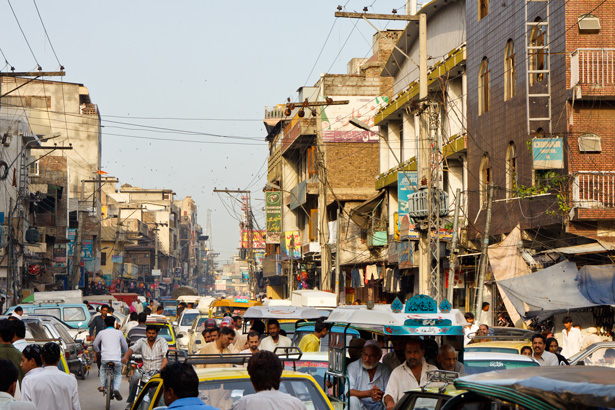
›Pakistan, long a nation defined by its large rural populations and dominant agricultural industries, is undergoing a dramatic urban shift.
According to UN Population Division estimates, the country is urbanizing at a three percent annual rate – the fastest pace in South Asia. In barely 10 years, nearly 50 percent of Pakistan’s 180 million people will live in cities (a third do today). Pakistani government projections using density-based rather than administrative definitions of urbanization suggest that Pakistan’s urban population has already reached 50 percent.
-
Removing Boundaries: Sean Peoples on Documenting Integrated Development in Tanzania
›“We knew that we had a lot of reports, we knew that we had a lot of policy papers, but what we wanted to tell was a good story,” said ECSP’s Sean Peoples speaking recently at Duke University about the short documentary, Healthy People, Healthy Environment: Integrated Development in Tanzania.
-
Aligning Human and Ocean Health, Preventing Sudden Freshwater and Plant Habitat Decline
›“The size and growth of the human population is putting unprecedented pressure on natural resources,” reports the first major publication by the Global Partnership for Oceans. The World Bank launched the consortium of more than 140 government, NGO, and private sector groups at the Rio+20 UN Conference on Sustainable Development as a means to bring targeted investment to reverse ocean health decline and encourage sustainable development. On October 16, the Partnership’s Blue Ribbon Panel released Indispensable Ocean: Aligning Ocean Health and Human Well-Being, which encourages members to prioritize five principles: sustainable livelihoods, social equity, and food security; a healthy ocean; effective governance systems; long-term viability; and capacity building and innovation. Selection criteria for investments accompany each principle, including requirements like addressing problems of food affordability and access, demonstrating potential for improvements in human health, and building resilience to future conditions. “The good news is that we stand at a point in history where it is neither too late nor impossible to turn the tide of change that is currently sweeping across the ocean,” panel chair Ove Hoegh-Guldberg concludes. -
Jacqueline H. Wilson, U.S. Institute of Peace
Can Aquifer Discovery in Kenya Bring Peace to Desolate Region?
›October 28, 2013 // By Wilson Center StaffThe people of northern Kenya currently face many daily hardships. Primarily pastoralists by livelihood, their cycle of life focuses on the basics – securing food and water for family and livestock, constructing shelter from the unforgiving sun, and finding sustenance when periodic droughts ravage the region. A 2011 drought affected millions of people, and tens of thousands of livestock died. Approximately 90 percent of the area’s population lives below the poverty line.
-
Amid Perfect Storm of Climate Challenges, Can Aquaculture Net Food Security Gains in Bangladesh?
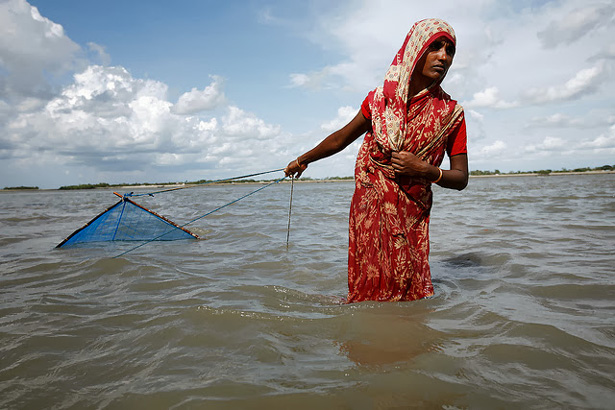
›October 15, 2013 // By Jacob GlassIt is difficult to find a country feeling the negative impacts of climate change more severely than Bangladesh. Name any alarming, seemingly far off effect of a warming world being discussed in the halls of Washington or the summits of Copenhagen, and there is a good chance Bangladesh is experiencing it today. Flooding, drought, sea level rise, mass migration, and crushing poverty are exacerbated by a growing population and rapid urbanization. This perfect storm of climactic and demographic trends presents a looming crisis for Bangladesh, no more so than when it comes to food security.
-
Harvesting Peace: Food Security, Conflict, and Cooperation (Report Launch)
›In the wake of food riots in more than 30 countries in 2008 and the Arab Spring, in which food prices played an instigating role, the relationship between food security and instability demands a closer examination. “There is a lot of data on conflict, and a lot of data on food security, but it’s rarely brought together,” said Emmy Simmons, the author of the latest edition of ECSP Report. [Video Below]
Showing posts from category natural resources.