-
Eduard Niesten, Conservation International
Conservation Agreements Reduce People-Park Conflict in Liberia
›March 6, 2015 // By Wilson Center Staff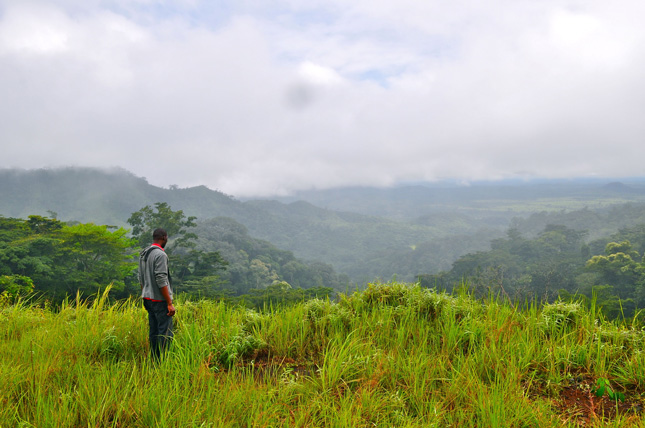
When I began working in Liberia right after the Accra settlement ended Liberia’s civil war in 2003, I could not help worrying about whether the peace would last. Burnt-out cars lined the streets of Monrovia, bullet holes scarred many of its buildings and the wary U.N. peacekeepers manning checkpoints behind sandbags and barbed wire reinforced the sense that violence could flare up again at any time.
-
India’s Growing Water Risks, Illustrated
›Guest Contributor // March 3, 2015 // By Tien Shiao, Andrew Maddocks, Christopher Carson & Emma Loizeaux
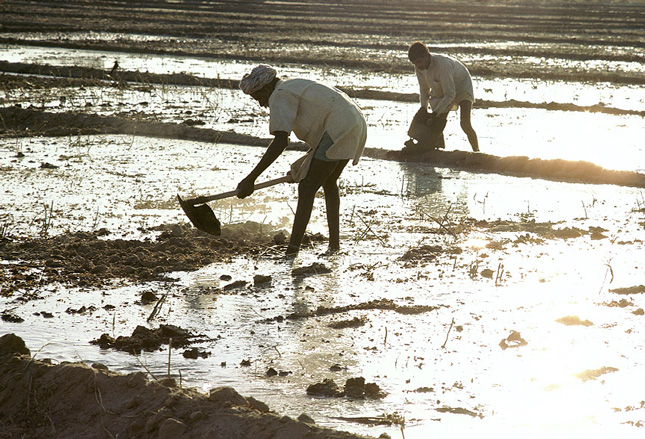
India is one of the most water-challenged countries in the world, from its deepest aquifers to its largest rivers. Groundwater levels are falling as farmers, new urban residents, and industries drain wells and aquifers. What water is available is often severely polluted, and the future may only be worse, with the national supply predicted to fall 50 percent below demand by 2030.
-
Simulating Transboundary Water Conflict in South Asia, and the Effect of Drought on Civil Conflict in Africa
› Natural resource management is a trust issue. There’s no better illustration of this than a scenario exercise. A new CNA Corporation report, Bone Dry and Flooding, details a simulation they ran for transboundary water management in the Indian sub-continent. Players of the game – nationals of China, Pakistan, India, and Bangladesh who had all previously worked in politics, policy, or development – were given a hypothetical five-year time span to manage shared water resources. -
Re-Thinking Climate Interventions in Fragile and Conflict-Affected States: Insights From Nepal
›While much of the debate around climate financing focuses on “how much,” an equally important question is “how?”
-
New Markets Meet Old Grievances: The Fight Over Biofuels in Kenya’s Tana River Delta
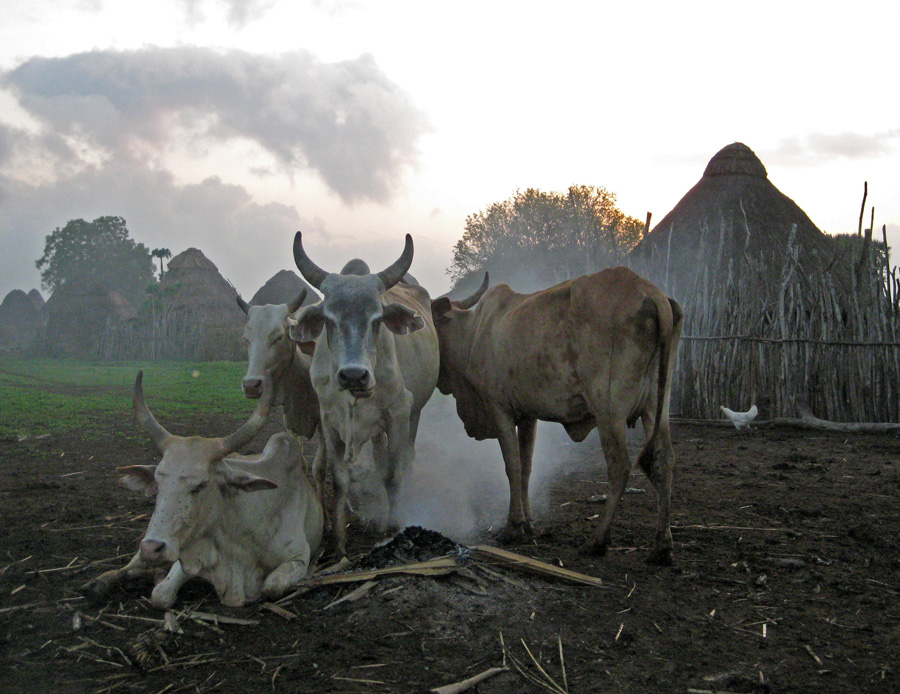
›Stepping away from herds of cattle, subsistence farms, and other responsibilities at home, roughly a hundred Kenyan villagers traveled overnight by bus from the Tana River Delta to Nairobi in February 2011 for a hearing at the national high court. The claimants declared that the lack of a “comprehensive land use master plan” infringed on the rights of the region’s people, and called for the prohibition of further land and resource development until such a plan was negotiated.
-
Integrated Development, Focus on Empowerment Builds Resilience in Nepal
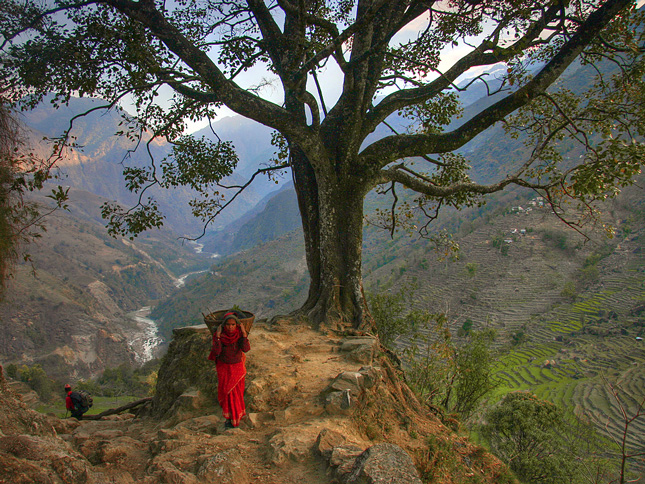
›From the mountains and foothills of the Himalayas to the Terai plains, climate change is rapidly changing life in Nepal. Many communities however, are not strangers to environmental stress; for decades, rapid population growth alongside agriculture and fuelwood collection have degraded land and diminished forests. [Video Below]
-
Report: Damming of Lake Turkana Could Leave Thousands Without Water, Provoke Tribal Conflict
›The damming of a river that feeds the world’s largest desert lake could lead not only to less drinking water for thousands of Kenyans, but international conflict between tribes for what little water remains.
-
Jeffrey Gettleman, The New York Times
Mosquito Nets Used for Fishing Raise Sustainability, Health Questions
›January 28, 2015 // By Wilson Center StaffBANGWEULU WETLANDS, Zambia – Out here on the endless swamps, a harsh truth has been passed down from generation to generation: There is no fear but the fear of hunger.
Showing posts from category natural resources.