-
Can Citizen Science Help Small Communities Combat Big Fishing Fleets?
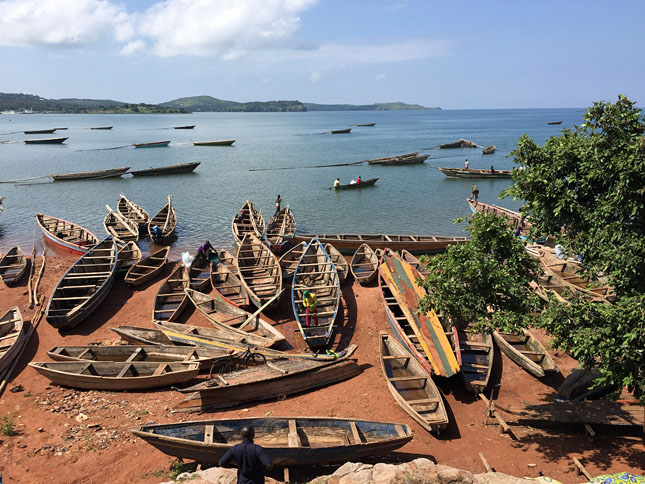
›This Earth Day weekend, the U.S. Department of State is hosting more than 2,000 coders in more than 40 cities to encourage creative thinking about technological solutions to ocean issues. The third annual Fishackathon could produce new tools for local communities to track long-distance fishing, a growing problem in some places, as China, in particular, scales up its efforts.
-
Turning the Impending Mosul Dam Disaster Into Opportunity
›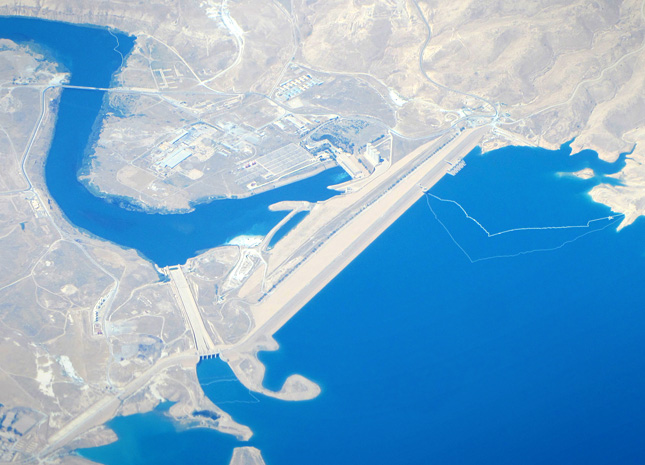
Iraq has seen its share of calamities in recent years, but none is as dangerous as the impending failure of the Mosul Dam. A breach of the dam will result in a tsunami-like wave that sweeps through cities and hamlets along the Tigris River from Mosul to as far south as Amarah and even Basra. Baghdad would be submerged under five meters of water within four days. Not only do experts estimate the possible fatalities to range from 500,000 to more than 1 million, but consider the logistics of trying to provide electricity, drinking water, food, hospitals, transportation, and diesel for millions of people.
-
Tracking China’s “Foul and Filthy” Rivers With Citizen Science
›
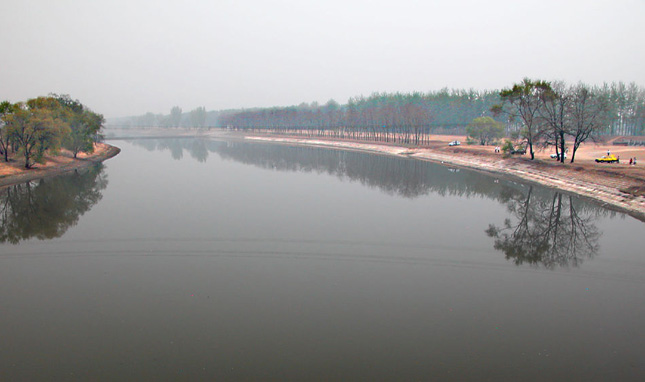
Blackened rivers snake the ring roads of Beijing, carrying pollution and often smelly water from one end of the city to another. The most polluted of these have been dubbed “foul and filthy” rivers (黑臭河) by China’s Ministry of the Environment (MEP) and Ministry of Housing and Urban-Rural Development (MOHURD). However, the government has decided to clean these up – and is enlisting the help of the public to do so.
-
Can Better Data Lead to More Women in Environmental Leadership Positions?
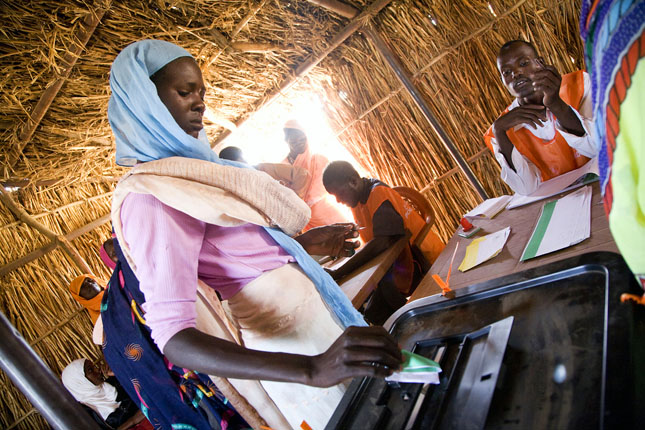
›The saying goes, what hasn’t been counted doesn’t count. Our latest datasets for the Environment and Gender Information (EGI) platform are proving this true.
-
Ruth Greenspan Bell, The Guardian
In the Fight for Climate Action, Data Isn’t Always Your Friend
›April 6, 2016 // By Wilson Center StaffWhen anyone wishes to support – or defeat – a given position, the sturdiest method is to generate data to predict its consequences. Advocates generate reams of numbers to substantiate their preferred outcome.
-
Carlos Manuel Rodriguez, Human Nature
Murders of Environmental Activists Reflect Chronic Clashes Over Resource Use
›April 4, 2016 // By Wilson Center StaffWhen I heard of the horrific murder of Berta Cáceres, a Honduran environmental activist who had spent years fighting to protect her community’s traditional lands, I was shocked – though perhaps I shouldn’t have been.
-
Community Empowerment vs. State Stability? Lessons From Nepal’s Micro-Hydropower Projects
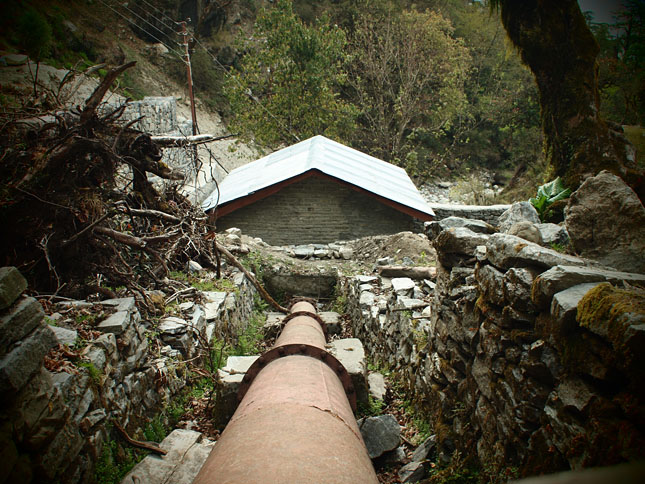
›Post-war countries are among the most difficult policy arenas. The challenge is not only to stop violence and prevent violence from rekindling, but moreover to help countries reset their internal relations on a peaceful path. Increasingly, researchers and practitioners are interested in the potential of natural resources in post-war settings in the hope that good governance and sustainable management can contribute to this reset. Indeed, the international community acknowledged the relevance of the link between peaceful societies and environmental issues by including both in the Sustainable Development Goals.
-
In Tanzania, Empowering Communities to Address Population, Health, and Environment Issues Together
›Africa has its share of challenges, but it also leads the way in creative development responses. Take the Lake Tanganyika area in Tanzania. Daily life is hard. There are few roads. Cellphone service is patchy. You must travel by boat for seven hours to reach the nearest hospital. And if you have an obstetric emergency, there is no doctor in the village to help you.
Showing posts from category natural resources.