-
Soil’s Key Role in Fighting Climate Change in U.S. and Chinese Agriculture: The Wisdom of Dr. Rattan Lal
›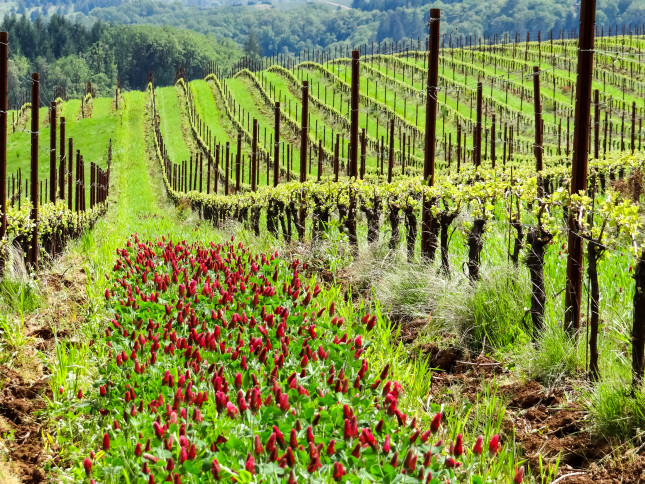
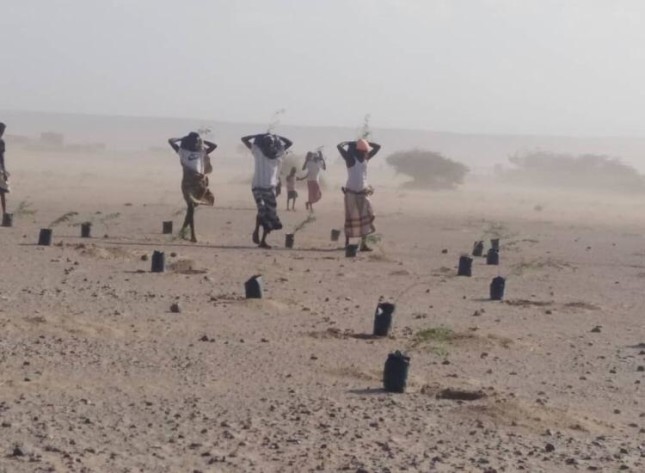
Soil degradation affects one-third of the Earth’s surface, triggering dust storms, floods, and landslides. It is also a global threat to our food supply, and diminishes the soil’s ability to sequester carbon to mitigate climate change. China has only 0.21 hectares of agricultural land per person, which is well below the global average. Worse yet, over 40 percent of that land is already degraded.
-
Can the Growing Trans-Pacific Wildlife Trade Be Stopped?
›
Today’s celebration of World Wildlife Day is a perfect time to focus greater attention on the rapidly growing Latin America-to-Asia wildlife trade. It now has reached crisis proportions, with both illegal and legal shipments rising in tandem with China’s economic investment in the region.
Experts link this mushrooming trans-Pacific animal trade to large-scale development projects by Chinese companies. Over the past 15 years, two state-owned Chinese banks have loaned more than $140 billion for infrastructure, road, railway and mining projects in Latin America.
-
Climate Security in The Horn: Crafting a Broader Role for Non-State Actors in IGAD
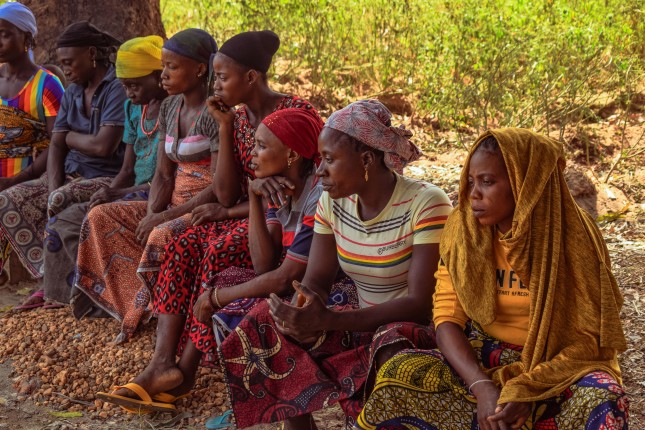
›The Horn of Africa now faces an unprecedented drought, with conditions not seen in the last 40 years. The implications of this looming catastrophe reach beyond the most recent severe drought periods in the region, which occurred in 2010 and 2011 and again in 2016 and 2017.
As of November 2022, over 36 million people in the Horn were affected by drought, including 24.1 million in Ethiopia, 7.8 million in Somalia, and 4.2 million in Kenya. More than 20 million children in Djibouti, Ethiopia, Kenya, and Somalia need immediate water and food assistance. In addition, nearly 1 million pregnant and lactating women are acutely malnourished. Since mid-2021, more than 9.5 million livestock have perished in the region due to a lack of water, starvation, and disease.
-
Conflict and Copper
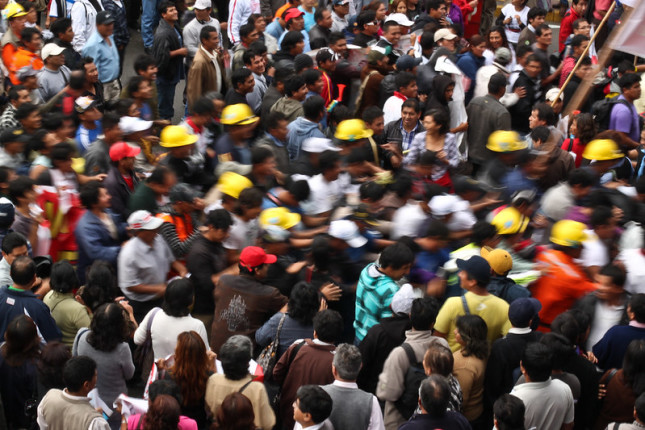
›Guest Contributor // February 13, 2023 // By Morgan Bazilian, Aaron Malone & Eliseo Zeballos ZeballosGlobal demand for copper has climbed dramatically in recent years, a trend that is likely to continue apace. Peru is the world’s second largest producer of copper. Yet the clamor for copper is an opportunity that the nation is unable to seize upon at present. Peru is now undergoing severe political upheaval and protests that have brought new attention to the underlying risks in extractive industries and supply chains. Production cuts stemming from protests and blockades could amount to 3 percent of global copper output.
-
Environmental Management: A Critical Tool for Environmental Peacebuilding
›On July 28, 2022 the United Nations General Assembly (UNGA) voted—by a count of 161 in favor, with 8 abstentions — that living in a clean, healthy, and sustainable environment is a human right. Building on the similar declaration by the UN Human Rights Council in October 2021, the UNGA has now reinforced the notion that the growing assaults on human health through environmental hazards are transgressions against the basic rights and freedoms of people.
-
Environmentalism for Sovereignty’s Sake
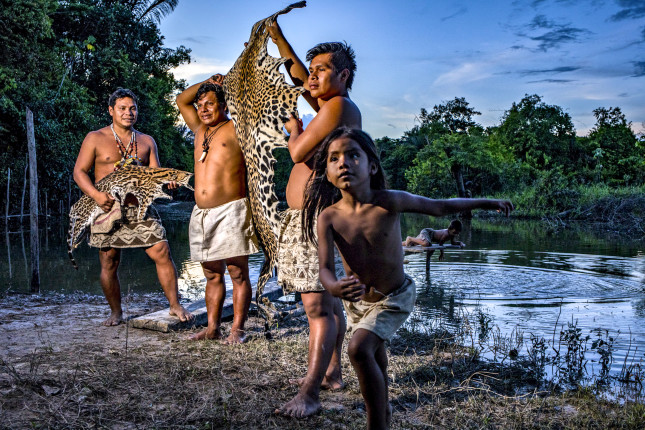
›Egypt’s Gebel Elba National Park is, by all accounts, a spectacular place. But it better be to justify the fuss it takes to visit. First you have to apply for a permit. If that’s approved (and almost none have been in recent years), you need to travel with an approved tour operator. Even then, you must be accompanied by police at all times.
-
Buen Vivir in Ecuador: An Alternative Development Movement for Social and Ecological Justice
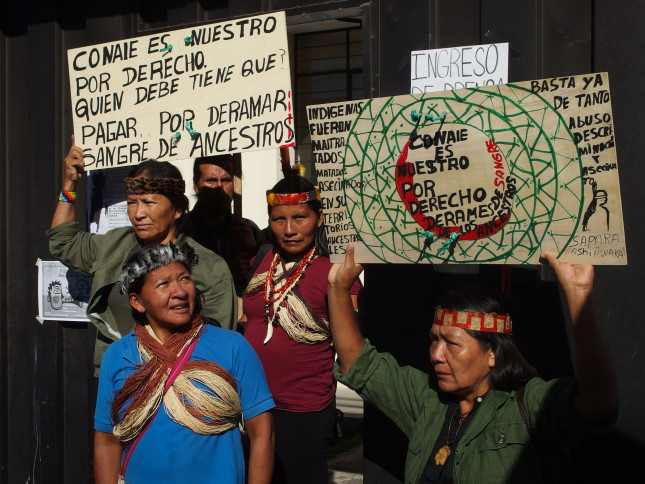
›China Environment Forum // Guest Contributor // Vulnerable Deltas // December 8, 2022 // By Yiran NingEarlier in 2022, Ecuador’s capital was left “virtually paralyzed” after some 14,000 people, mainly Indigenous Ecuadorians, participated in 17 days of sometimes violent nationwide protests. The actions forced the Lasso government to the negotiating table for a 90-day dialogue with Indigenous leaders. By early September, the parties signed a temporary moratorium on the development of oil blocks and the allocation of new mining contracts. -
Women with Disabilities in Nigeria’s Mining Industry: Discrimination and Opportunities
›Women and girls with disabilities worldwide are subject to multiple forms of discrimination—a fact that the 2022 International Day for Persons with Disabilities brings into sharp focus. Yet while all people with disabilities (PWD) face exclusion and widespread stigma, women face the additional burden of exclusion from full participation in economic and cultural activities. Both forms of discrimination result from the collaboration of outdated laws and prevalent societal stigmatization.
Showing posts from category meta.