• woodrow wilson center
  • ecsp

New Security Beat

Subscribe:
  • rss
  • mail-to
  • Who We Are
  • Topics
    • Population
    • Environment
    • Security
    • Health
    • Development
  • Columns
    • China Environment Forum
    • Choke Point
    • Dot-Mom
    • Friday Podcasts
    • Navigating the Poles
    • Reading Radar
  • Multimedia
    • Water Stories (Podcast Series)
    • Backdraft (Podcast Series)
    • Tracking the Energy Titans (Interactive)
  • Films
    • Water, Conflict, and Peacebuilding (Animated Short)
    • Paving the Way (Ethiopia)
    • Broken Landscape (India)
    • Scaling the Mountain (Nepal)
    • Healthy People, Healthy Environment (Tanzania)
  • Publications
  • Events
  • Contact Us

NewSecurityBeat

The blog of the Wilson Center's Environmental Change and Security Program
Showing posts from category video.
  • Saving for a Rainless Day: Microfinancing for Resilience

    ›
    From the Wilson Center  //  August 16, 2017  //  By Yuval Cohen
    Savings_Loan_Malawi

    “The sooner you save, the better off you’ll be in life, wherever you live, at whatever age you start,” said Sophie Romana, director of community finance at Oxfam America: “Saving is the key.” Microsavings groups—informal community-based financial pools–can help vulnerable communities build resilience, said representatives from support organizations CARE International, Oxfam America, and the Grameen Foundation  at a Wilson Center event on June 29, 2017.

    MORE
  • Maternal and Women’s Health, Two Years In: Measuring Progress Towards Meeting the SDGs

    ›
    Dot-Mom  //  From the Wilson Center  //  August 10, 2017  //  By Yuval Cohen
    UNICEF-Ethiopia

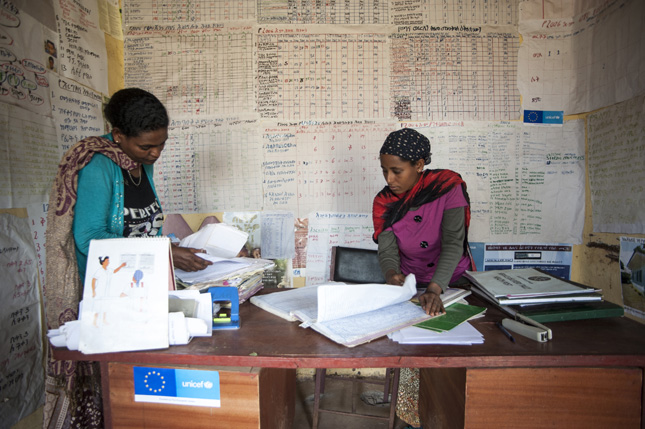
    “The aspirations of the 2030 Agenda and the SDGs are really high, and the data that will enable that have a long way to go,” said Rachel Snow from the United Nations Population Fund at a Wilson Center event on July 14, 2017.

    MORE
  • To Fight Global Water Stress, U.S. Foreign Policy Will Need New Strategic Tools

    ›
    From the Wilson Center  //  July 25, 2017  //  By Anuj Krishnamurthy
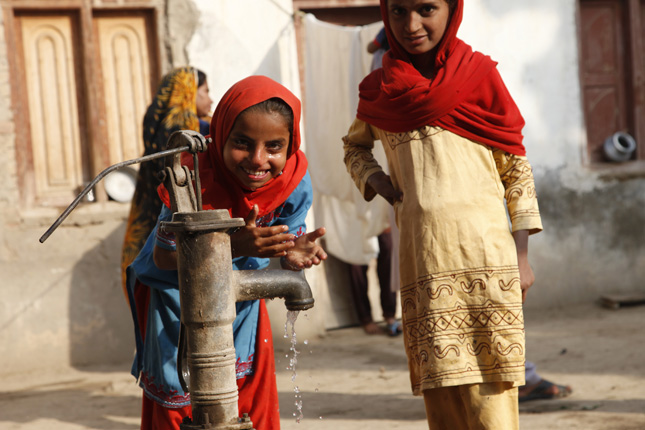
    Children-Pump

    Capable of upending rural livelihoods, compromising institutions of governance, and inducing new patterns of migration and crime, global water stress has emerged as one of the principal threats to U.S. national security, said David Reed, senior policy advisor at the World Wildlife Fund (WWF) and editor of WWF’s new book, Water, Security and U.S. Foreign Policy, on June 27 at the Wilson Center. Four defense and development leaders – retired U.S. Marine Corps General James L. Jones; Paula Dobrianksy, vice chairwoman of the National Executive Committee of the U.S. Water Partnership; retired U.S. Navy Admiral Lee Gunn, vice chairman of the CNA Military Advisory Board; and Kristalina Georgieva, chief executive of the World Bank – joined Reed for a panel discussion of water’s central role in global stability and prosperity.

    MORE
  • Meeting the Maternal and Newborn Needs of Displaced Persons in Urban Settings

    ›
    Dot-Mom  //  From the Wilson Center  //  June 30, 2017  //  By Namita Rao
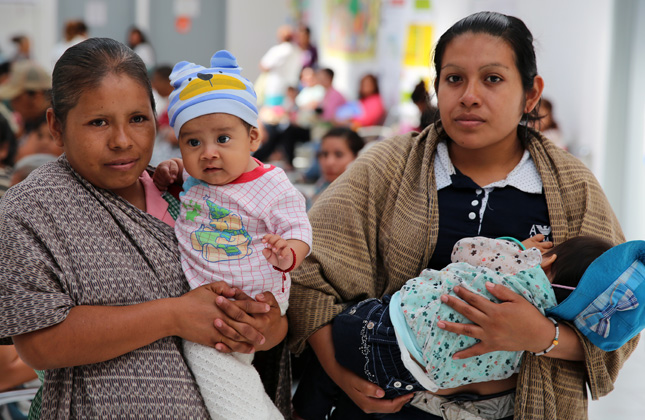
    Mexico-City-Maternal-Health

    More than 60 percent of the world’s refugees and 80 percent of internally displaced persons (IDPs) now live in urban areas. In contrast to traditional refugee camps, which have mainly been in rural areas, cities and other urban settings can offer refugees greater economic opportunities, a degree of anonymity, and better access to services—at least in theory, said Mary Nell Wegner, executive director of the Maternal Health Task Force, at the Wilson Center on May 31. However, in practice, the urban advantage may be a myth, as local systems, already strained by growing populations, are not well equipped to handle a large influx of people with complex needs.

    MORE
  • Water Security and U.S. Foreign Policy in India, Pakistan, and the Philippines

    ›
    From the Wilson Center  //  June 16, 2017  //  By Namita Rao
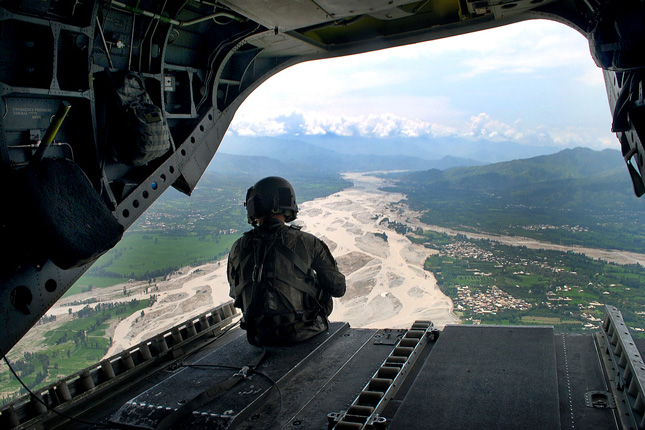
    Pakistan-floods

    In 2012, the U.S. National Intelligence Council judged that within the next 10 years, water problems would be a major contributor to instability in “many” countries that are of interest to the United States. South and Southeast Asia, with its many transboundary river basins, large populations, and geopolitical flashpoints, is one among a number of hotspots where such instability could occur.

    MORE
  • Environmental Sustainability, Does It Make Dollars and Sense?

    ›
    From the Wilson Center  //  June 14, 2017  //  By Sara Merken
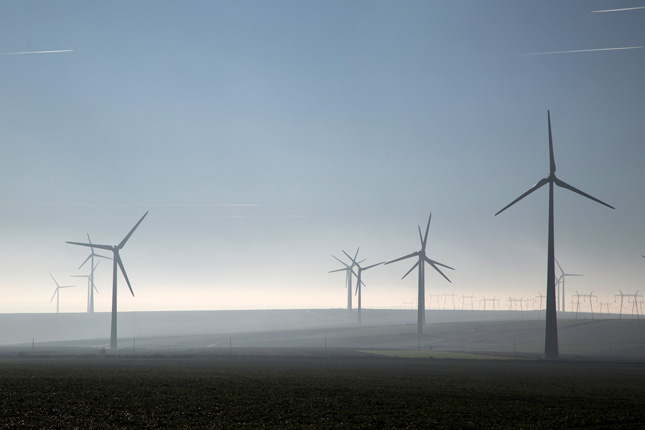
    Wind-Turbines

    While governments will play the central role in delivering the Sustainable Development Goals, they can’t do it without the private sector, said experts at the Wilson Center on April 12.

    MORE
  • New Media Helps Galvanize Tamil Nadu to Fight a Toxic Legacy

    ›
    Choke Point  //  May 31, 2017  //  By Keith Schneider
    Jayaraman

    The eighth in a series of reports by Circle of Blue and the Wilson Center on the global implications of water, energy, and food challenges in the south Indian state of Tamil Nadu.

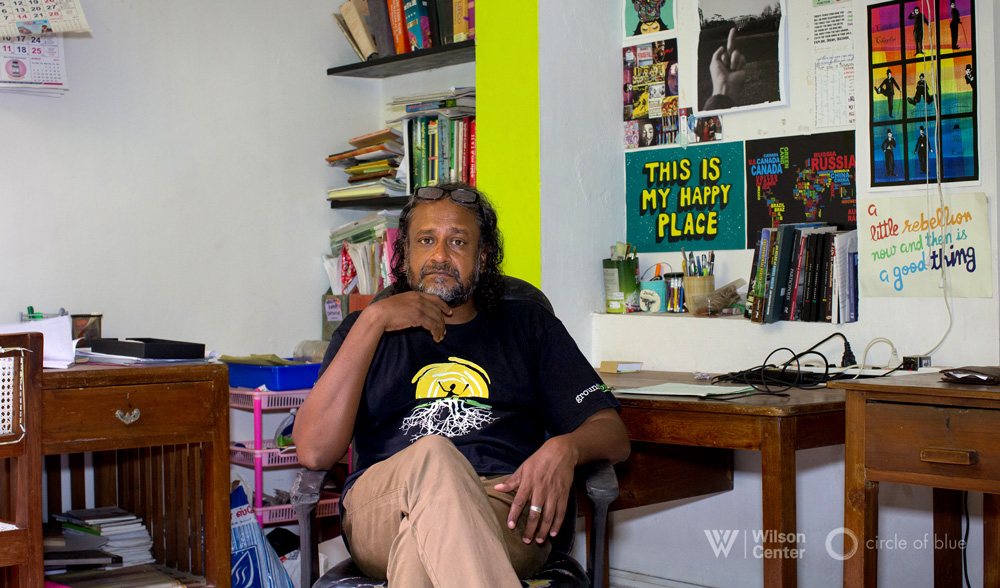
    KODAIKANAL, India – In the dogged community of eco-activists, journalists, local leaders, and artists that find common ground defending Tamil Nadu from rapacious development and rampant pollution, Nityanand Jayaraman stands out.

    MORE
  • Roger-Mark De Souza on the Paris Climate Agreement, With or Without the U.S.

    ›
    Eye On  //  From the Wilson Center  //  May 23, 2017  //  By Wilson Center Staff

    “A lack of U.S. government support for the Paris climate agreement will mean that the United States will further isolate itself from international collaboration and cooperation on multiple fronts. It will affect U.S. security, the provision of jobs; U.S. business operations, and U.S. diplomatic efforts. The agreement, because it has a broad basis of support, will continue with or without the United States.”

    MORE
Newer Posts   Older Posts
View full site

Join the Conversation

  • RSS
  • subscribe
  • facebook
  • G+
  • twitter
  • iTunes
  • podomatic
  • youtube
Tweets by NewSecurityBeat

Trending Stories

  • unfccclogo1
  • Pop at COP: Population and Family Planning at the UN Climate Negotiations

Featured Media

Backdraft Podcast

play Backdraft
Podcasts

More »

What You're Saying

  • Volunteers,At,The,Lagos,Food,Bank,Initiative,Outreach,To,Ikotun, Pan-African Response to COVID-19: New Forms of Environmental Peacebuilding Emerge
    Rashida Salifu: Great piece 👍🏾 Africa as a continent has suffered this unfortunate pandemic.But it has also...
  • A desert road near Kuqa An Unholy Trinity: Xinjiang’s Unhealthy Relationship With Coal, Water, and the Quest for Development
    Ismail: It is more historically accurate to refer to Xinjiang as East Turkistan.
  • shutterstock_1779654803 Leverage COVID-19 Data Collection Networks for Environmental Peacebuilding
    Carsten Pran: Thanks for reading! It will be interesting to see how society adapts to droves of new information in...

What We’re Reading

  • Rising rates of food instability in Latin America threaten women and Venezuelan migrants
  • Treetop sensors help Indonesia eavesdrop on forests to cut logging
  • 'Seat at the table': Women's land rights seen as key to climate fight
  • A Surprise in Africa: Air Pollution Falls as Economies Rise
  • Himalayan glacier disaster highlights climate change risks
More »
  • woodrow
  • ecsp
  • RSS Feed
  • YouTube
  • Twitter
  • Facebook
  • Home
  • Who We Are
  • Publications
  • Events
  • Wilson Center
  • Contact Us
  • Print Friendly Page

© Copyright 2007-2021. Environmental Change and Security Program.

Woodrow Wilson International Center for Scholars. All rights reserved.

Developed by Vico Rock Media

Environmental Change and Security Program

Woodrow Wilson International Center for Scholars

Ronald Reagan Building and International Trade Center

  • One Woodrow Wilson Plaza
  • 1300 Pennsylvania Ave., NW
  • Washington, DC 20004-3027

T 202-691-4000