-
PHE Mythbusting at the International Conference on Family Planning
›November 21, 2013 // By Roger-Mark De Souza
I’ve just returned from the International Conference on Family Planning (ICFP) in Ethiopia where integrated population, health, and environment (PHE) programs had a strong showing. More than 16 sessions over three days at the conference incorporated PHE themes, including panels on communicating complexity around family planning, conservation and human rights; how PHE helps accelerate the fertility transition in rural Ethiopia; and meaningful ways of linking population and family planning to climate change and sustainable development in Africa. Blue Ventures, one of PHE’s strongest voices, was given one of the first ever Excellence in Leadership for Family Planning awards. At this global meeting of family planning experts, PHE was clearly and squarely at the center.
-
Lisa Palmer, Yale Forum on Climate Change and the Media
Feeding 9 Billion on a Hot and Hungry Planet
›
The original version of this article, by Lisa Palmer, appeared on The Yale Forum on Climate Change and the Media.
Humans, it’s no secret, are versatile and unpredictable in how they use their land. We build mega-cities in deserts, raise crops on flood plains, live along vulnerable coast lines enjoying seas dangerously rising, and burn rain forests to create new pastures.
-
Population-Environment Program Wins Recognition: Blue Ventures Honored at International Conference on Family Planning
›This year’s International Conference on Family Planning (ICFP) happened to coincide with the UN’s annual climate change summit. Perhaps it’s apt then that one of the organizations recognized for excellence is helping to bridge the gap between the environment and family planning communities.
-
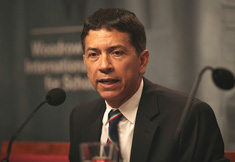
Understanding Climate Vulnerability: José Miguel Guzmán on How Census and Survey Data Can Help Us Plan
›
“Population-related data from census, surveys, and other administrative data can and must be used for adaptation to climate change,” says José Miguel Guzmán in this week’s podcast from the launch of The Demography of Adaptation to Climate Change. As the devastation from Typhoon Haiyan shows, population density, poverty levels, and even building construction quality can have a huge impact on how vulnerable a particular area is to extreme weather, flooding, and other effects of climate change.
-
Andrew Freedman, Climate Central
Typhoon Haiyan Foretells Challenges for U.S. Military in Warming World
›November 14, 2013 // By Wilson Center StaffSuper Typhoon Haiyan left the central Philippines in ruins, with a staggering death toll that could climb well above 10,000. The U.S. military is leading the international response to the devastation, along with international aid agencies. The Pentagon has dispatched an aircraft carrier and five other Navy ships, plus a separate group of at least 90 marines and specially trained humanitarian relief teams to the area.
-
Achieving the Demographic Dividend in Africa: Lessons From East Asia
›In the latter half of last century, Thailand and other East Asian countries successfully capitalized on shifts in their age structures to gain a boost in economic productivity, a phenomenon known as the demographic dividend. Today, despite the hitherto sluggish pace of Africa’s demographic transition, scholars and politicians remain hopeful that similar changes on the continent may lead to faster development in coming decades. [Video Below]
-
Gorillas and Family Planning: At the Crossroads of Community Development and Conservation in Uganda
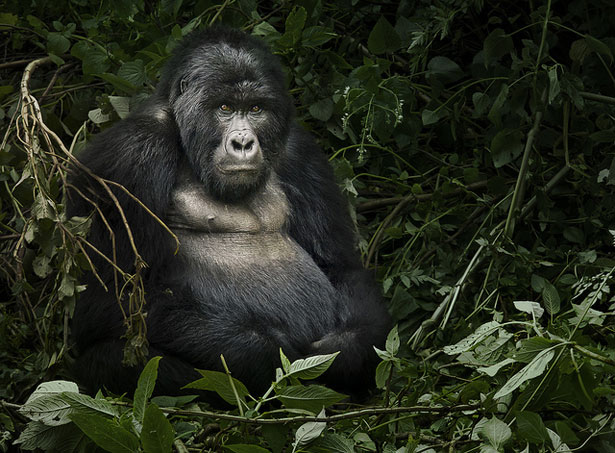
›“Gorillas are very good at family planning; if we were like them, we’d be much better off,” said wildlife veterinarian Dr. Gladys Kalema-Zikusoka at the Wilson Center on September 26. The Conservation Through Public Health (CTPH) CEO and founder is celebrating 10 years of population, health, and environment (PHE) work in Uganda and the Democratic Republic of Congo, bringing health and livelihood interventions to people while protecting mountain gorillas around Virunga and Bwindi Impenetrable National Parks. [Video Below]
-
Crowded Out: New Evidence Points to Population Growth as Key Driver of Biodiversity Loss
›November 12, 2013 // By Kathleen MogelgaardIn 2009, economist Jeffrey Sachs, alongside more than 20 eminent scholars from different fields, highlighted the importance of biodiversity for human well-being in a policy commentary published in Science. They noted the Millennium Development Goals (MDGs) included a target to achieve, by 2010, a significant reduction in the rate of species loss, and they also noted that it was one of the MDG targets that was most off-track. “Our lack of progress toward the 2010 target,” they said, “could undermine achievement of the MDGs and poverty reduction in the long term.” The 2010 target was missed, and today species are moving toward extinction at an ever faster pace. Last week’s announcement confirming the extinction of Africa’s western black rhino is the latest sad example of this trend.
Showing posts from category population.