-
Parfait Eloundou-Enyegue: Moving from Laundry Lists to Bottom Lines
› “A lot of the advocacy of family planning has been built around establishing a long list of the many ways in which family planning can be relevant” to other development goals, says Parfait Eloundou-Enyegue of Cornell University in our latest Friday Podcast. While comprehensive accounts of the ways family planning access benefits communities, these “laundry lists” are not “clear, synthetic, or integrative,” he says.
 -
Forever Young: Engaging Youth to Build Stability and Reduce Violence
›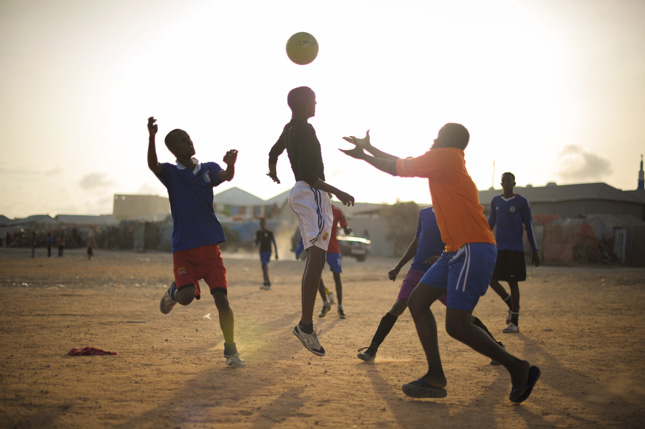
“There are more young people in the world today than in any other time in the history of the world,” said Beza Tesfaye, Senior Researcher at Mercy Corps, at a recent event at the U.S. Institute of Peace on Mercy Corps’ efforts to engage youth in Somalia and Afghanistan in order to promote stability and prevent violence. “As we know, marginalized youths are the ones often to be recruited into violent movements. Not only do we have to focus on conflict, but we also have to put youth at the center of development programs to address these issues.”
-
A More Prosperous World: Investing in Family Planning for Sustainable Economic Growth
›“There is a close relationship between fertility rates and health on one hand, and economic growth on the other,” said Peter McPherson, President of the Association of Public Land-Grant Universities and former USAID Administrator, at the final event in a three-part series on the role of population and family planning in supporting economic growth, health, and education.
-
Franklin Moore: Fostering Local Innovation Through Community Organization
›Africare’s work has been built on a “strong belief that community mobilization and local capacity building and innovation are the cornerstones of successful development, and that, for us, includes resilience,” says Franklin Moore, Chief of Programs for Africare, in a podcast from a recent Wilson Center event. “Community engagement, capacity building, and looking at locally driven behavior and social change is what empowers communities.” -
Nicaragua and the Fading of Latin America’s Youthful Clusters
›After four months of political unrest and more than 250 deaths, the calls for Nicaragua’s embattled president Daniel Ortega to step down are escalating. One of political demography’s most robust statistical findings tells us that countries where an authoritarian government rules a youthful population, any change in regime typically yields an autocracy or at best, a partial democracy. Only very rarely has a liberal democracy emerged immediately after a rebellion in a youthful country (one with a population with a median age under 26 years). Given this, if Ortega is ousted from office, what type of leader should foreign affairs analysts expect to replace him?
-
Family Planning Can Mean Big Progress for the Sustainable Development Goals—And Here’s How
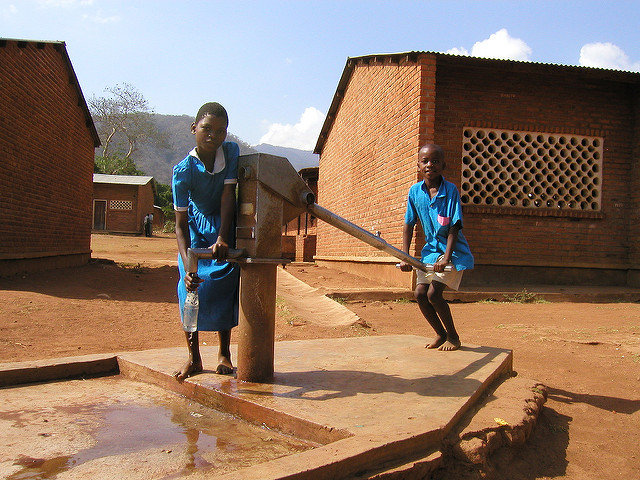
›As the UN High-Level Forum on Sustainable Development continues this week, member states and civil society are taking a hard look at countries’ progress toward securing safe drinking water, sanitation, and adequate housing. Achieving these and the other Sustainable Development Goals (SDGs) requires recognizing the synergies among them—including the role that reproductive health and family planning can play. You may ask, “Why does family planning matter for the SDGs not related to health?” The answer is that it is one of the most cost-effective investments for achieving the SDGs. Increasing access to family planning provides sweeping social, economic, and environmental benefits for every dollar spent.
-
Everybody Counts: New Podcast Series on How Global Population Trends Shape Our World
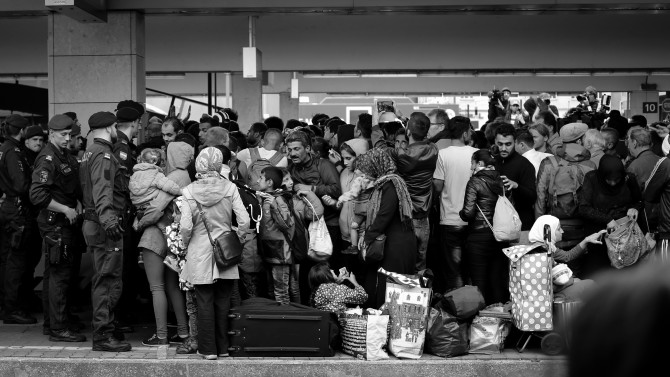
›From mass urbanization to massive refugee flows, high fertility to record low birth rates, global population is changing in unprecedented ways. “Everybody Counts,” a new podcast series hosted by Rhodes College Professor and Wilson Center Global Fellow Jennifer D. Sciubba, launches a lively and thoughtful conversation about the ways human population shapes our world and how we live today. -
Mapping Refugees and Urban Job Opportunities
›Although most of us picture refugees living in remote, dusty camps, as many as 2.1 million of the developing world’s working-age refugees reside in major urban areas—where they should have greater access to employment opportunities. However, according to a new report from the Center for Global Development, finding employment remains “one of the major unmet needs identified by refugees.”
Showing posts from category population.
 “A lot of the advocacy of family planning has been built around establishing a long list of the many ways in which family planning can be relevant” to other development goals, says Parfait Eloundou-Enyegue of Cornell University in our latest Friday Podcast. While comprehensive accounts of the ways family planning access benefits communities, these “laundry lists” are not “clear, synthetic, or integrative,” he says.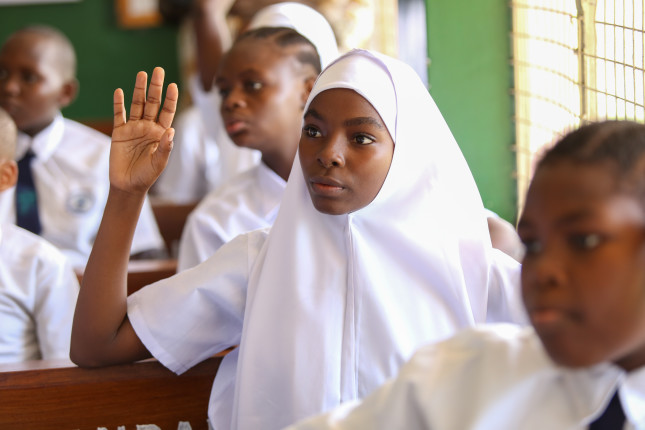
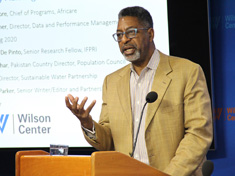 Africare’s work has been built on a “strong belief that community mobilization and local capacity building and innovation are the cornerstones of successful development, and that, for us, includes resilience,” says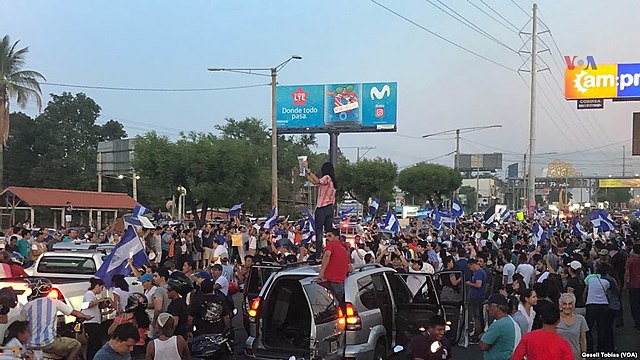
 From
From