-
Microplastics in Soil – Small Size Big Impact on U.S. and Chinese Agriculture
›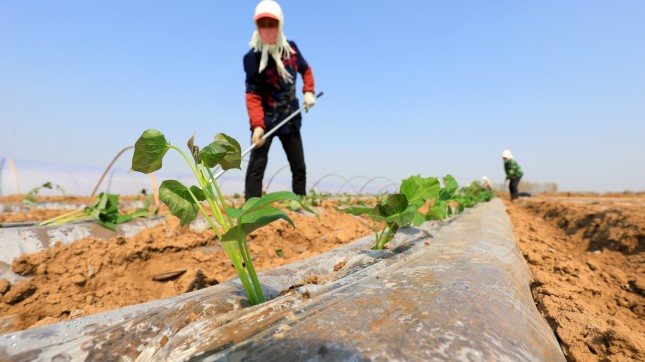
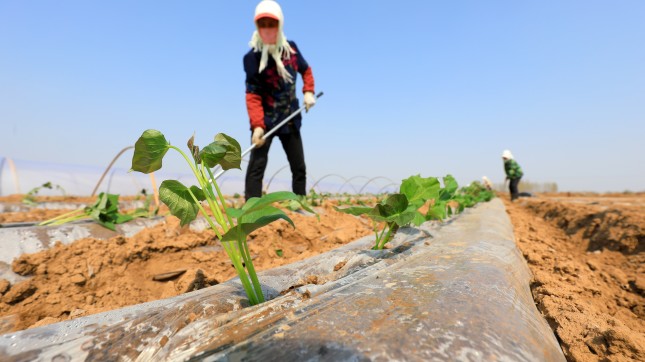
Collecting plastic fragments was a game he played while helping his parents farm when growing up in rural Shandong Province, says Dr. Zhao Kaiguang, who is now an associate professor of Environment and Natural Resources at The Ohio State University: “I wanted to collect the most, but did not realize the serious negative implications of leaving plastic in the soil.”
-
New Global Health & Gender Policy Brief: The Global Care Economy
›
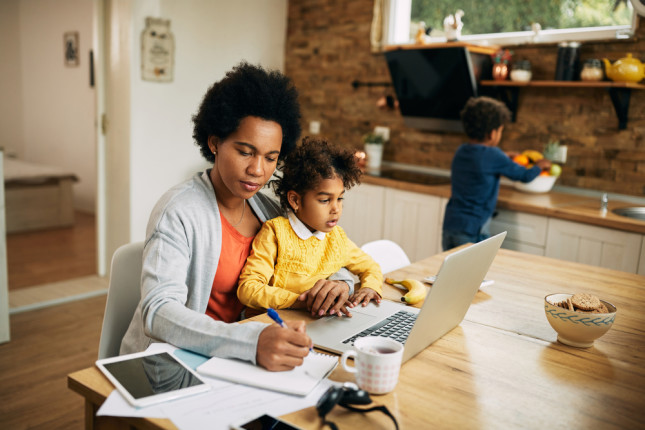
Care work makes all other work possible. It is also the fastest-growing sector of work in the world—projected to add 150 million jobs by 2030. The COVID-19 pandemic has amplified the importance of care work. It has also exposed how women perform most caregiving work, which is unpaid, underpaid, and/or undervalued. Globally, women and girls contribute more than 70 percent of total global caregiving hours (paid and unpaid) and perform more than 75 percent of unpaid care work. The inordinate amount of unpaid care work women and girls perform prevents them from earning a paid income, which contributes to greater gender inequities worldwide.
-
An Earth Day Appeal for Sustainable Market Solutions
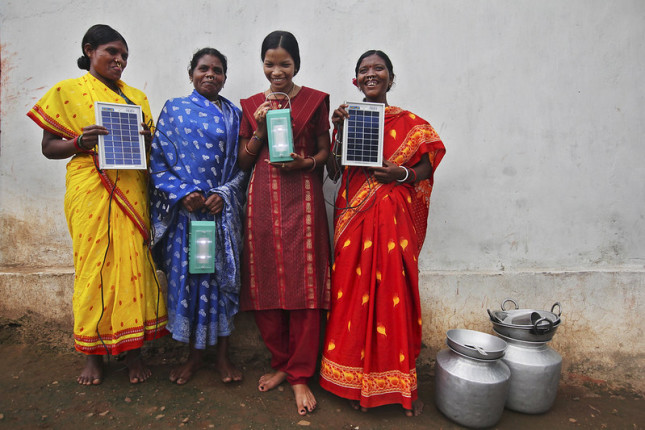
›April 22, 2022 // By Roger-Mark De SouzaGlobal insecurity driven by the conflict in Ukraine and pandemic-induced instability has come powerfully into confluence to increase threats to livelihoods across the world.
What can we do to stem the tide? This Earth Day is an opportunity to rally for action that will help us all face such challenges now and in years to come. One of the most powerful ways to do so is to solidify and expand the reach of sustainable markets. There are a number of ways that this process can begin right now.
-
Gender Inequality in Mexico’s Fractured Public Health System
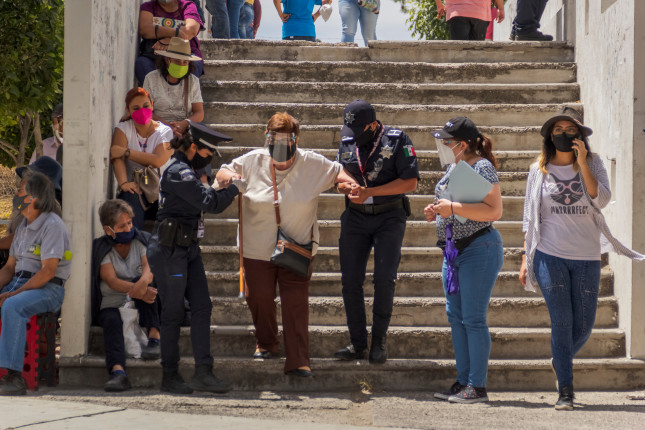
›Dot-Mom // From the Wilson Center // Guest Contributor // April 20, 2022 // By Samantha Kane JiménezIn recent years, Mexican women have experienced a significant downgrade in the quality and accessibility of public healthcare – and not due to the COVID-19 pandemic – said Irene Tello, Executive Director of Mexican impunity watchdog Impunidad Cero, at a recent event hosted by the Wilson Center’s Mexico Institute. The expert panel agreed that the greatest barriers for Mexican women seeking medical attention lie in the current government’s nearsighted health policies and mismanagement of the public health sector.
-
Top 5 Posts for March 2022
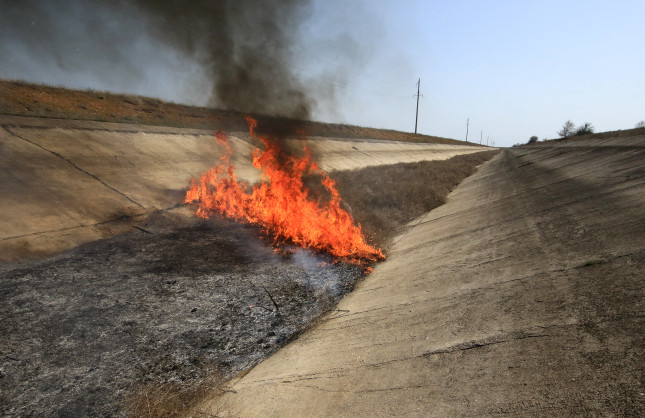
›The devastation wrought by Russia’s invasion of Ukraine has shocked the world. But underneath the searing photographs and headlines, the war also highlights how access to natural resources shapes conflict—and how addressing regional resource needs is central to effective peacebuilding. For instance, the contentious North Crimean Canal cut off most of the water in occupied Crimea in 2014, leading to water insecurity and a loss of arable land. In our top post for March, Mehmet Altingoz and Saleem Ali discuss the role of water infrastructure in the years-long conflict between Russia and Ukraine and explain how water-sharing agreements could make critical contributions to peace.
-
#BringBackOurGirls: Ecofeminism, Climate, and Conflict
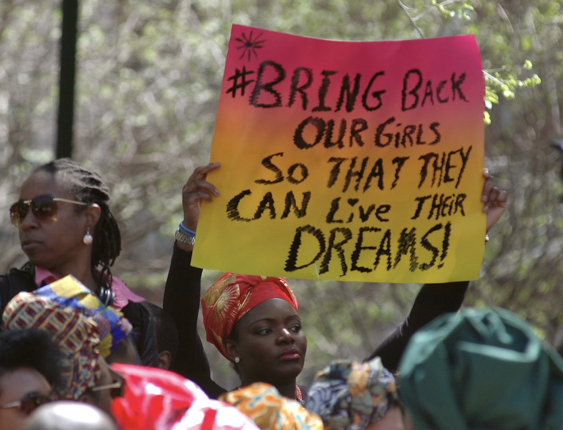
›On the night of April 14, 2014, a group of militants attacked the Government Girls Secondary School in Chibok, Nigeria. They kidnapped 276 female students, ranging from ages 15 to 19 years. An armed group called Boko Haram claimed responsibility for the kidnapping.
-
The Zero-Waste School Movement Is Finding Its Stride In Vietnam
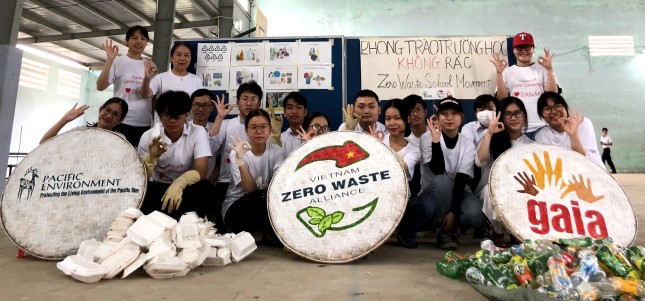
›During February’s Lunar New Year holiday, Vietnam Zero Waste Alliance coordinator Xuan Quach and her family were returning home to Thai Binh. When they were halfway home, Xuan’s brother nonchalantly tossed a plastic bottle out the window. Xuan opened her mouth to chide her brother, but was surprised when her niece scolded him, “Dad! Don’t contribute to plastic pollution!” Xuan grinned, knowing that all of her hard work educating the public about the dangers of plastic waste was paying off.
-
66th Session of the Commission on the Status of Women: Six Pillars to Support Midwives
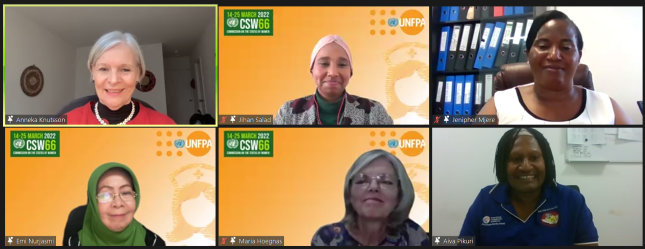
›“When women can decide on the timing and spacing of their births, are treated with respect, and offered quality of care across the life course—they are not only able to survive, they, their families, and their communities are able to thrive and flourish. By directly and indirectly contributing to women’s empowerment, midwives are contributing to strengthen economic and productive and equitable societies,” said Dr. Julitta Onabanjo, Director of the Technical Division at the United Nations Population Fund (UNFPA), New York, at a recent event hosted by UNFPA as part of the 66th Session of the Commission on the Status of Women. Midwives and midwifery experts convened to discuss the important role that midwives play in the improvement of gender equality, women’s economic empowerment, and climate justice.
Showing posts from category *Main.