-
Hans Rosling Double Feature: ‘The Joy of Stats’ on BBC and Population Growth at TED
›Hans Rosling, creator of Gapminder and professor of international health at Sweden’s Karolinska Institute, hosts a new documentary on the BBC called The Joy of Stats that takes a look at the breadth and depth of data available today to analysts and private citizens alike.
In the clip above, Rosling demonstrates his primary interest in world health, tracking life expectancy and income over the last 200 years to show both the remarkable progress that has been made but also the tremendous gap that remains between those at the top (the very rich and healthy) and those at the bottom (the very poor and sick).
Rosling has been a vocal (and visual) advocate for expanding people’s knowledge of the world by presenting statistics in innovative ways. “Statistics should be the intellectual sidewalks of a society, and people should be able to build businesses and operate on the side of them,” he said at a discussion at the Wilson Center in May 2009.
In particular, Rosling’s focus has been on health, poverty, and the developing world, where he’s advocated for increased focus on child and maternal health and education. “The role of the old West in the new world is to become the foundation of the modern world – nothing more, nothing less,” he said during a TED talk on population growth (see below) where he broke from his more flashy visuals and went analog – using IKEA boxes to illustrate population and consumption growth. “But it’s a very important role. Do it well and get used to it.”
Rosling’s Gapminder software has been incorporated into Google’s Public Data Explorer, where many development indicators from the World Bank, World Health Organization, and others can now be easily tracked by anyone. For more on Google Data and to see an example set of indicators (agriculture as a percentage of GDP vs. fertility rates over the last 50 years), check out this previous Eye On, on The New Security Beat.
Video Credit: “Hans Rosling’s 200 Countries, 200 Years, 4 Minutes – The Joy of Stats – BBC Four,” courtesy of BBC, via YouTube, and “Hans Rosling on global population growth,” courtesy of TED. -
David Lawson, Wildlife Conservation Society
Afghanistan’s Non-Confrontational Conservation
›December 7, 2010 // By Wilson Center Staff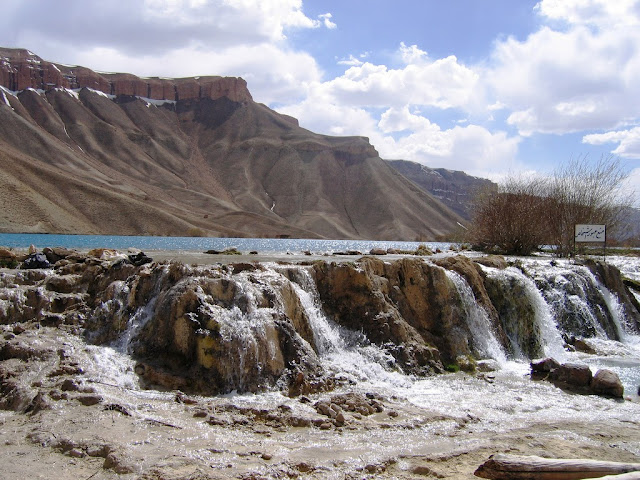
Excerpt from the Center for a Better Life:
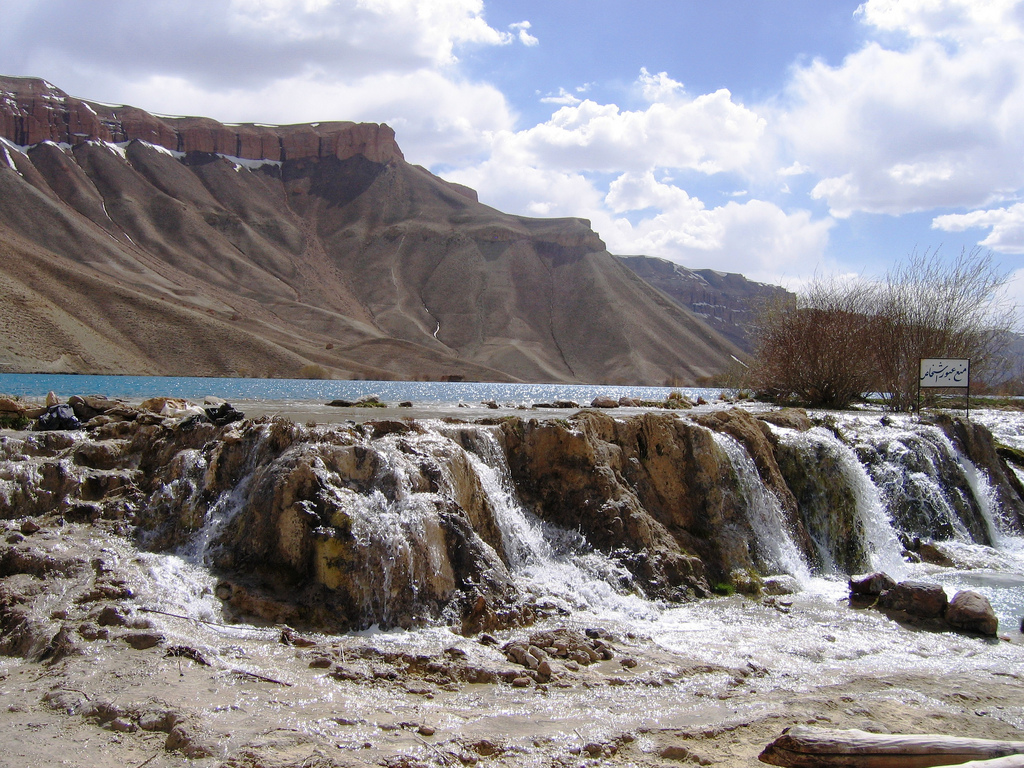
Afghanistan is more than war and turmoil; it has a long and colorful history, strong cultures and a stunning landscape. It has enormous biodiversity, as it sits at the crossroads of what biologists call “biological realms.” The country, therefore, has plants and animals that also occur in Europe, northern Asia, India, south Asia and Africa. It has nine species of wild cats, which is the same as the whole of sub-Saharan Africa, as well as an estimated 800 plant species that occur nowhere else in the world. In other words, Afghanistan is worth attention in terms of its biodiversity alone.These natural resources are also critically important from the people’s perspective. After 30 years of conflict, more than 80 percent of Afghanistan’s population relies directly on natural resources for their livelihood. Most of the inhabitants are rural and desperately poor by world standards. Child mortality is the highest in the world, and their infrastructure is mostly broken down and inoperable. The economy is donor-dependent, and the Afghan government is still in its infancy. Outside the capital of Kabul, governance sometimes seems non-existent. As a result, movement away from the major population centers can be very risky due to the presence of various insurgent groups.
And yet, what is seldom mentioned in newscasts and media is that the Afghans are proud and resilient. They want what everyone else wants: education for their children, healthcare for the young and elderly, and reliable livelihoods to support their families. Then they want to get on with their lives in their own unique, culturally diverse way, free of violence and conflict.
Understanding Cultures
Understanding these things is one reason why the Wildlife Conservation Society (WCS) has been successful in Afghanistan. When hearing of the Society’s field work in this war-torn country, most people are surprised. They wonder how, with its pressing problems, Afghanistan can afford the time, let alone the resources, to conserve its remaining wildlife and wild places. But this is one of the core strengths of WCS – to offer assistance in conserving natural resources at a practical level within a country in need, like Afghanistan. As one of the oldest conservation organizations in the world, with more than 100 years of field conservation experience, the Society has extensive seasoning under extreme circumstances. Currently, WCS has more than 600 projects in place with 3,000 staff; and, many of these projects are in the most remote areas of the world.
Since 2006, USAID has supported WCS’s work in Afghanistan within three geographical areas – the northeast in Badakhshan Province’s Wakhan District, Bamiyan’s central province and the eastern, forested Nuristan province. Experts chose these areas because they believed they held the largest numbers of untouched remaining wildlife; this presumption generally proved correct. Through the years, WCS has created trust by having conservation teams on the ground and working year-round with local communities. Similar trust has been established with the relevant ministries by WCS’ central office, located in Kabul, through continuous presence and assistance.
Results are impressive. More than seven pieces of environmental legislation were enacted; 10,000 Afghans received conservation training; the first biological surveys in 30 years were completed (which doubled as crucial skills development exercises for Afghan scientists); the first wildlife/domestic stock disease assessments were accomplished, with corresponding human health effects, plus many more exemplary achievements. One of the more intriguing results was WCS’ ability to build local governance in the most remote communities, thus connecting communities that had seen no real government representatives for years. This link extended to district authorities then to provincial authorities, and finally to the Kabul central government. This extension of Afghanistan’s rule-of-law is paramount because it improves governance, which is one of the more crucial strategic needs in the country today.
How was a non-governmental conservation organization able to contribute to governance and rule-of-law? It is simple. Wildlife conservation is usually a non-confrontational issue, and most people, when exposed to the process, take an active interest and express opinions. Rural people have grown up with and are surrounded by wildlife everyday; they have local knowledge and feel comfortable discussing how things have changed. They want to be empowered to make natural resource decisions in the areas in which they live. WCS staff encourages local people to discuss species protection with their local and provincial governments. In some instances, WCS workers have taken government officers into communities that cannot recall ever seeing a government official. These processes and contacts evolve and can be used as basis for non-conservation related discussion. These processes and relationships become the building blocks for extending governance and empowering local communities. And, the process works.
Continue reading on the Center for a Better Life.
David Lawson is the Wildlife Conservation Society Afghanistan country director.
Photo Credit: “Bamiyan Band-e-Emir,” courtesy of flickr user USAID Afghanistan. USAID and WCS have been working in the Band-e-Amir lakes region since 2006 to create a national park. -
International Responses to Pakistan’s Water Crisis
›December 6, 2010 // By Michael KugelmanExcerpt from the executive summary of the NOREF Policy Brief, via the Norwegian Peacebuilding Centre:
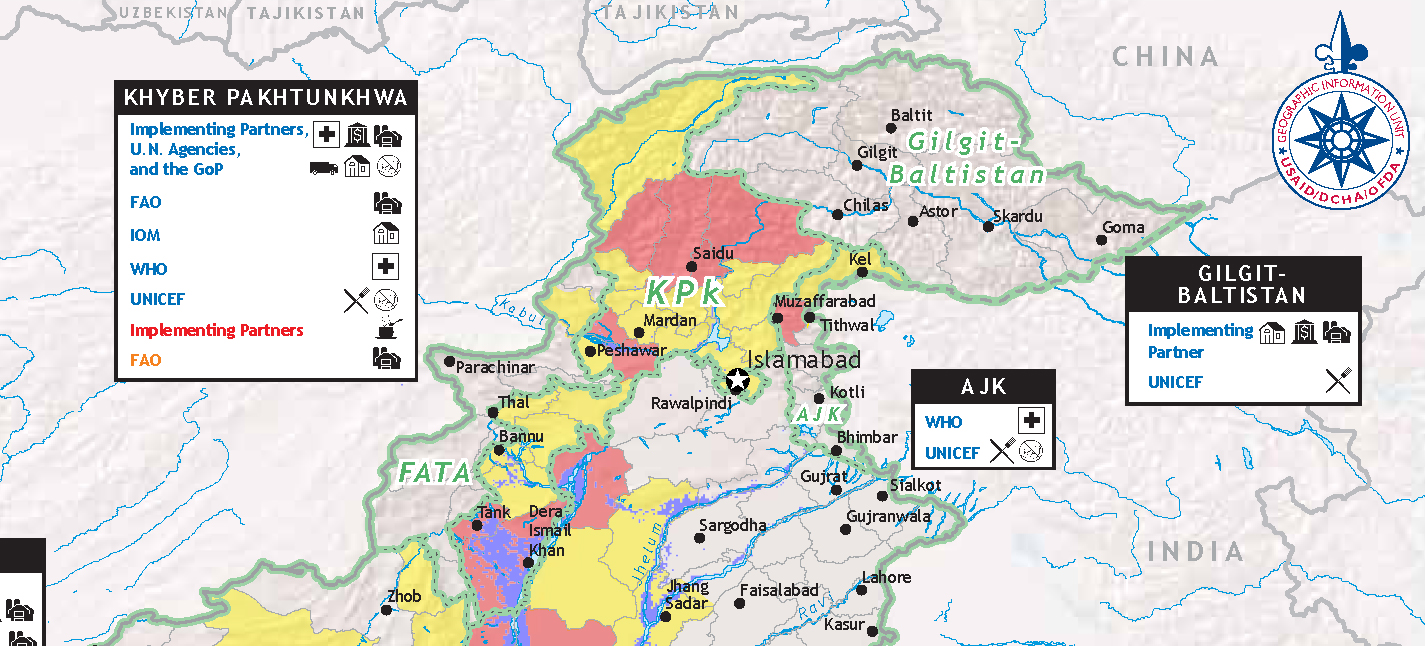
Pakistan faces a multidimensional water crisis that claims hundreds of thousands of lives every year. The root causes of the crisis are twofold:- Circumstantial, which are linked to poor water-resource management policies (including water-wasting flood irrigation);
- Structural, tied to factors deeply ingrained in politics and society such as the obsession with India, inequitable rural land-ownership and endemic water misgovernance (for example, exploitation of the rotational irrigation system to the detriment of the poor).
However, international responses must be measured. They should actively target the circumstantial causes but, at the same time, recognize that their ability to take on the structural ones is limited. While the international community can help mitigate the effects of the underlying structural drivers, Pakistan itself must take the ultimate steps to eliminate them.
Circumstantial causes can be addressed through international aid provision and international exchanges. Aid provision must be generous enough to meet Pakistan’s prodigious needs but modest enough to respect the country’s limited absorptive capacities. It should emphasize the restoration of infrastructure and distribution systems, be more responsive to the needs of Sindh and Baluchistan provinces, and be channeled through both government agencies and civil society.
Despite the challenges the international community faces in addressing the structural causes, opportunities do abound. These include embarking on back-channel diplomacy to bring Pakistan and India closer together and cooperative projects with Pakistanis to make water distribution more equitable. To be effective, international responses must target all affected parties and be sensitive to ground realities. They should also be mindful of indigenous success stories and the factors that bring about that success.
The full report, “International Responses to Pakistan’s Water Crisis: Opportunities and Challenges,” is available through the Norwegian Peacebuilding Centre.
Michael Kugelman is program associate with the Asia Program at the Woodrow Wilson International Center for Scholars.
Image Credit: Adapted from “USG Humanitarian Assistance to Pakistan for Floods in FY 2010 and FY 2011 (as of 30 Nov 2010),” courtesy of USAID and ReliefWeb. -
From Cancun: Roger-Mark De Souza on Women and Integrated Climate Adaptation Strategies
›“When you look at the negative impacts of climate change, the impacts on the poor and the vulnerable – particularly women – increase, so investing in programs that put women at the center is critical,” said Roger-Mark De Souza, vice president of research and director of the climate program at Population Action International (PAI), speaking to ECSP from the UN Climate Change Conference in Cancun, Mexico. “There are a number of missed opportunities here in Cancun and in climate change deliberations overall that are not including women and are missing an opportunity to have a bigger bang for the buck, or power for the peso, as we say in Mexico.”
PAI hosted a side session with five panelists from Denmark, Ethiopia, Kenya, Suriname, and Uganda on “Healthy Women, Healthy Planet: Women’s Empowerment, Family Planning, and Resilience.” The session attracted more than 100 attendees and prompted incisive, informative questions, said De Souza.
“There was a call for additional research that is policy relevant that identifies some of the key entry points and added benefits at a country level,” said De Souza. “And there is a very strong call for youth partnerships from a number of youth advocates who are looking at medical and public health interventions and are desirous of including reproductive health programming as part of that.”
“One concrete next step for Cancun is to work with other civil society partners who are here who are tracking how gender is being integrated into the negotiating language, particularly with regard to financing mechanisms,” De Souza said.
Besides financing and the need for more research, De Souza said the key issues that emerged from the panel were: the importance of linking programs of different scales; ensuring women’s empowerment and ownership; and recognizing and replicating effective partnerships.
For more from Roger-Mark De Souza, see ECSP Focus Issue 19, “The Integration Imperative: How to Improve Development Programs by Linking Population, Health, and Environment.”
The “Pop Audio” series is also available as podcasts on iTunes. -
Joydeep Gupta, ChinaDialogue
Nervous Neighbors: China-India Water Relations
›December 3, 2010 // By Wilson Center StaffExcerpted from the original article, “Nervous Neighbors,” on ChinaDialogue.net:
Only five rivers in the world carry more water than the Yarlung Zangbo, or Brahmaputra, as it is known when it reaches India. Only one carries more silt. Rising at a height of 5,300 meters in the Kailash range of the Middle Himalayas – an area holy to both Hindus and Buddhists – the river flows east through Tibet for 1,625 kilometers before taking a horseshoe bend, changing its name and flowing as the Brahmaputra into north-eastern India.
There, for 918 kilometers, it is both a lifeline, due to the water it carries, and a scourge, because of the floods it causes almost every year. It then takes a southward turn and flows into Bangladesh for 363 kilometers before it merges with the Ganges, together forming South Asia’s largest river, the Meghna, and flowing into the Bay of Bengal. This huge river, with its 25 large tributaries in Tibet and 105 in India, drains much of the eastern Himalayas.
As the world’s youngest mountain range, the Himalayas are particularly unstable – and so is the river. It has changed its course significantly at least once in the last 200 years, following a major earthquake. Smaller changes in course are common, wiping out farms and homes on one bank while depositing fertile silt on the other. Now humans are changing the course of this river: Chinese engineers have started to build the Zangmu hydroelectric power station in Lhoka prefecture, 325 kilometers from Lhasa, Tibet’s capital. The development has led to serious expressions of concern, particularly in India but also in China.
Continue reading on ChinaDialogue.net.
Joydeep Gupta is the project director (South Asia) of ChinaDialogue’s Third Pole Project.
Map Credit: Google Maps. -
Managing the Mekong: Conflict or Compromise?
›December 1, 2010 // By Russell SticklorAt nearly 5,000 kilometers long, the Mekong River is one of Asia’s most strategically important transboundary waterways. In addition to providing water for populations in the highlands of southern China, the Mekong helps support some 60 million people downstream in Southeast Asia, where the river is a key component of agricultural production and economic development.
In recent years, however, the Mekong has emerged as a flashpoint for controversy, pitting China against a coalition of downstream nations that includes Thailand, Laos, Cambodia, and Vietnam. The countries of the Lower Mekong argue that Beijing’s construction of multiple dams on the Upper Mekong is robbing them of critical water resources, by decreasing both the quality and quantity of water that makes it through Chinese floodgates and spillways. China, however, mindful of soaring energy demand at home, has continued its campaign to harness the hydroelectric potential of the Upper Mekong and its tributaries – but at what cost to the environment and Beijing’s relationships with Southeast Asia?
China’s Hand on the FaucetChina’s total energy demand just recently passed the United States and is expected to continue to increase in the near-term – by 75 percent over the next 25 years, according to the International Energy Agency.
As a result, Beijing has been looking to bolster its energy security by reaching out to develop energy resources in Africa, Latin America, and the Middle East, as well as along the Mekong and in the East and South China Seas.
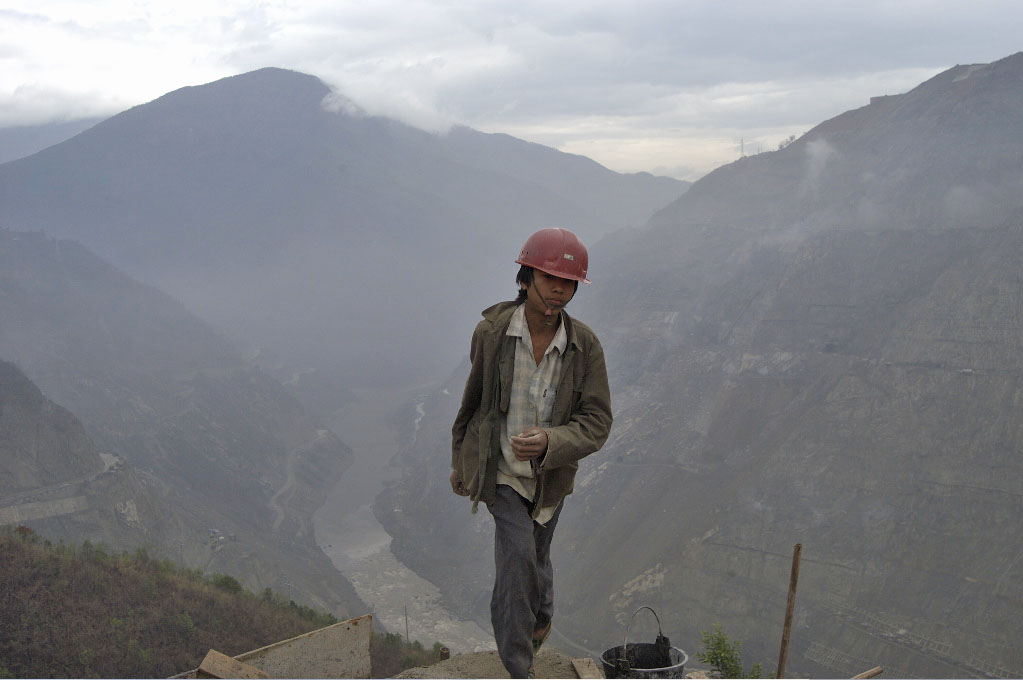
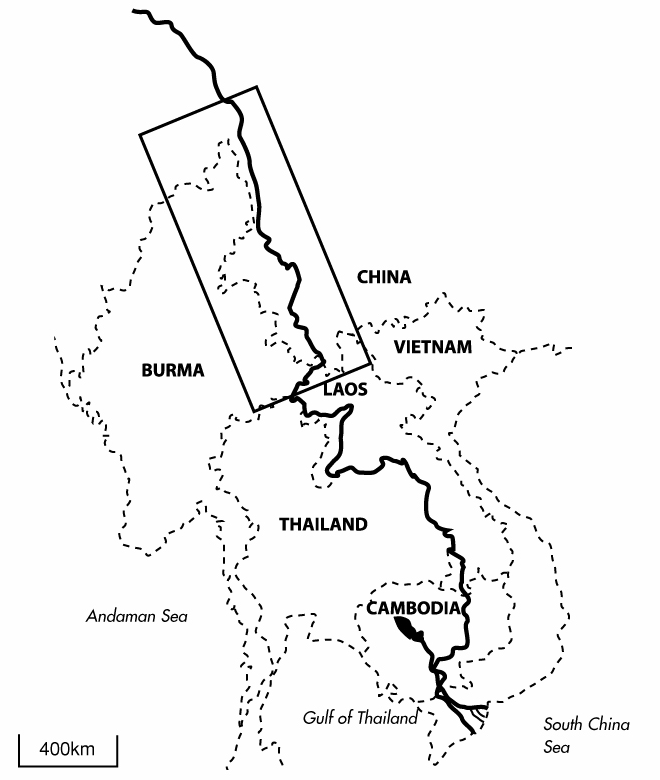
In that context, China’s aggressive hydroelectric development of the Upper Mekong — known in China as the Láncang Jiang (shown in the boxed area of the map at right) — makes perfect sense. The river’s sizeable elevation drops make it a rich source of energy; already, 15 large-scale dams have either been completed or are under construction on the Upper Mekong in Tibet and Yunnan.
Those dams also provide China with enormous geopolitical leverage over downstream nations. With little more than the flick of a switch, the Chinese government could substantially curtail the volume of flow entering the Lower Mekong basin. Doing so would of course be tantamount to an act of war, since depleted flow volumes in the Lower Mekong would hinder crop irrigation, jeopardize food security, and endanger the health of the region’s economically critical freshwater fisheries, which are among the world’s most productive. Chinese floodgates and spillways essentially give Beijing de facto control over Southeast Asia’s water security.
The View Downstream
To date, China has never threatened to deliberately reduce the flow of the Mekong to its downstream neighbors. Nevertheless, the perception of threat in Southeast Asian capitals remains high.
Already, a number of the region’s governments — represented formally through the Mekong River Commission, a 15-year-old organization that China still has not joined as a full-fledged member — have complained that completed or in-progress Chinese dams are resulting in less water entering their countries, a phenomenon that becomes particularly pronounced during periods of drought, as observed this summer. Further, there is also the issue of water quality. Since Chinese dams trap silt being flushed out of the Himalayas, that nutrient-rich material cannot be carried downstream, where it historically has helped create fertile soils in the floodplains of the Lower Mekong basin.Quality and quantity concerns aside, there are also structural issues concerning how Beijing goes about its business on the Upper Mekong. Since it is only a “Dialogue Partner” to members of the Mekong River Commission, China is not required to seek approval from downstream nations on hydroelectric development of the river’s Chinese stretch, even though that development has both direct and indirect implications for water security in the Lower Mekong basin. China has even shown a penchant for deliberate secrecy as it develops its stretch of the river, choosing to share a minimal amount of hydrological data with downstream neighbors and typically refraining from even announcing new dam projects.
“The Security Implications Could Hardly Be Greater”
Given its geographic position, Cambodia is particularly vulnerable to China’s stewardship decisions. With one of the poorest populations in Southeast Asia and also one of the highest fertility rates, at 3.3 births per woman, the potential for water scarcity issues is real. By mid-century, its population is projected to jump from its current 15 million to nearly 24 million.
“The government of Cambodia will be entirely at the mercy of Beijing,” said Wilson Center Scholar and Southeast Asian security expert Marvin Ott. “For Cambodia, the question becomes how they can curry China’s favor so as to avoid coercive use of the Mekong — or find some way of exerting counter-pressure on Beijing.”
Overall, population for mainland Southeast Asia is projected to rise from its current 232 million to 292 million by 2050. This growth will require increased agricultural output across the region and thus increased reliance on the waters of the Lower Mekong. The Lower Mekong nations’ shared dependency on the river and China’s continued unilateralism in the Upper Mekong could have serious repercussions for the region, said Ott:The security implications could hardly be greater for the downstream states. With the dams, China will have literal control over the river system that is the lifeblood of Laos, Cambodia, and Vietnam. The power this gives China is equivalent to an invasion and occupation of a country by the Chinese army.
For its part, the PRC maintains that water woes in the Lower Mekong are not its doing. In response to the chorus of Southeast Asian claims that China diverts or stores more than its fair share of water, Beijing’s typical refrain has been that blame for low water levels downstream lies not with Chinese water resource management but with heightened precipitation variability associated with climate change. Chinese water officials also contend that the Lower Mekong countries’ complaints are misdirected because water from the Chinese-controlled sections of the Upper Mekong basin accounts for less than 20 percent of the Mekong’s total flow volume by the time the river reaches its natural outlet in the South China Sea.
There are some indications, however, that China may be experimenting with a more open approach to engaging downstream nations. Earlier this year, China overturned precedent by offering top Southeast Asian government officials a tour of what had once been a top-secret hydro project, the mammoth Xiaowan dam. Some critics insisted Beijing’s fear of growing U.S. influence in the Lower Mekong helped motivate the rare show of transparency, while others said it was a means to curry favor with Southeast Asian nations so that they would support China’s controversial resource-development strategies in the South China Sea. Yet regardless of motive, Beijing’s move away from secrecy – if sustained – could do a great deal to smooth over regional tensions.
Dammed If You Do, Damned If You Don’t
Beyond some limited transparency, Beijing also hopes to mitigate concerns about development of the Upper Mekong by offering funding or logistical support for similar large-scale hydroelectric facilities on the Lower Mekong. The move has been largely welcomed by the Mekong River Commission countries, which envision dams of their own generating much-needed energy input for national grids, accelerating continued economic modernization, and enhancing flood control. As of 2009, there were 12 dam projects for stretches of the Mekong south of the Chinese border and many more planned for key tributaries.
The danger in such deal-making is that the environmental costs will be lost in the shuffle. A series of major dams would fundamentally alter the Mekong’s hydrology, which could lead to the degradation of sensitive riverine ecosystems, the disruption of upstream migratory routes for fish that serve as local dietary staples, and the decline of fresh water fisheries that form the backbone of many local economies.
Given the long-term effects on the food, environmental, and economic security of the Lower Mekong heartland, Beijing’s attempt to ease water tensions with a new round of dam construction may end up doing far more harm than good. Unfortunately, with both China and the Mekong River Commission countries currently viewing the dam proposals as something of a win-win, planning and construction are likely to move forward over the coming years.
Sources: Financial Times, Foreign Policy, International Institute for Strategic Studies, Los Angeles Times, Mekong River Commission, National Geographic, New Asia Republic, Phnom Penh Post, Population Reference Bureau, Stimson Center.
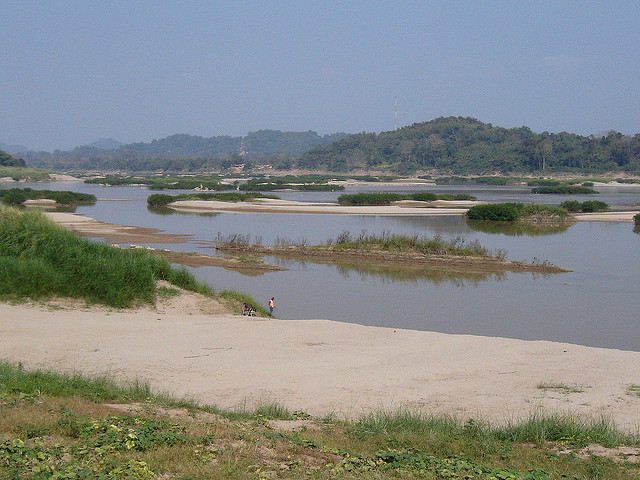
Photo Credits: “Xiaowan Dam Site (Yunnan Province, China, 2005),” (Top) courtesy of flickr user International Rivers; Map (Middle) courtesy of International Rivers; “Thailand – Isaan, Mekong River,” (Bottom) courtesy of flickr user vtveen. -
World AIDS Day 2010: Not Yet in a Position to Say “Mission Accomplished”
›December 1, 2010 // By Schuyler NullToday is World AIDS day. More than 33 million people are currently living with HIV around the world, according to the UN, and the vast majority of them (22 million) are located in sub-Saharan Africa.
“We have halted and begun to reverse the epidemic. Fewer people are becoming infected with HIV and fewer people are dying from AIDS,” said Executive Director Michel Sidibé in the 2010 edition of UNAIDS’ annual report.“However we are not yet in a position to say ‘mission accomplished.’ Growth in investment for the AIDS response has flattened for the first time in 2009. Demand is outstripping supply. Stigma, discrimination, and bad laws continue to place roadblocks for people living with HIV and people on the margins.”
Particularly in sub-Saharan Africa, “people on the margins” often means women and children. As a result, there has been more and more integration of HIV/AIDS programs with gender and maternal health. The environmental community has also worked closely with HIV/AIDS interventions in places where the destruction of natural resources makes certain populations more vulnerable than others and valuable conservation efforts are threatened.
As development efforts become more cross-sectoral, it’s important to keep in mind and maximize these connections between community, economic, and environmental health.
Check out The New Security Beat’s coverage of HIV/AIDS integration with other health and environment programs including coverage from the Global Health Initiative’s “Integrating HIV/AIDS and Maternal Health Services” event last year, a sit-down interview on the challenges facing HIV-positive adolescents with Harriet Birungi of the Population Council in Kenya, and an examination of how gender-based violence contributes to women’s vulnerability to HIV.
Sources: Population Reference Bureau, UN, World Wildlife Federation.
Map Credit: World AIDS Campaign. -
Developing a Blueprint for Addressing Glacier Melt in the Region
Changing Glaciers and Hydrology in Asia
›“Glacier melt is part of larger hydrologic and climate systems, so effective programs will be cross-sectoral and yield co-benefits,” said Elizabeth L. Malone, senior research scientist at the Joint Global Change Research Institute and Pacific Northwest National Laboratory, speaking at the Wilson Center on November 16. “Looking more closely at glacier melt, we come to understand that upstream actions and choices have a potentially huge effect on downstream communities,” added Kristina Yarrow, health advisor at the U.S. Agency for International Development’s Asia and Middle East Bureaus.
Malone and Yarrow were joined by Mary Melnyk, senior advisor for natural resource management at USAID’s Asia and Middle East Bureaus, to discuss the agency’s new report, “Changing Glaciers and Hydrology in Asia: Addressing Vulnerabilities to Glacier Melt Impacts,” prepared by Malone in collaboration with CDM International and TRG. “This report is a move towards mainstreaming climate change across the development portfolio to ensure enduring success of our investments,” Melnyk said.
Mainstreaming Climate Change
Providing information about the science, vulnerabilities, and current efforts to respond to environmental change and glacier melt in Asia, the new report also features a number of practical, cross-sectoral approaches to addressing glacial retreat in Asia that, if implemented well, could produce multiple benefits. The report highlights the complexity of the issues surrounding glacier melt in the region, and the critical need to prepare today for future environmental changes.“Climate change in general, and glacier melt specifically, can potentially impact all sectors: economic growth, governance, and health,” Melnyk said. Because there is a lack of scientific knowledge on glacial retreat in Asia and limited financial and human resources to address these issues, it is critical to maximize results through programs that will provide environmental, health, and development co-benefits.
“The challenge is that, in practice, addressing issues of climate change and other environmental security issues still are not a part of the day-to-day business across sectors,” Melnyk said. This report is a first step in the right direction to raise awareness and action on these issues and “although there is uncertainty, we need to move forward – the time to act is now,” she concluded.
Multiple Sectors, Multiple Benefits
“Cross-sector collaboration and programs, when done correctly, can have a much greater impact than when doing a vertical program within a specific sector,” Yarrow said, stressing the importance of multidisciplinary approaches to address environment, health, and development issues. Understanding the health impacts of climate-related environmental change now can help prepare us to address these specific impacts in the future.“On a global scale, there is indeed a relationship between population growth, environmental change, and development,” Yarrow said. In Asia, stress on water resources due to climate change and rapid population growth will likely exacerbate health problems caused by lack of clean water. Proactively expanding and improving programs that address the causes and effects of diarrheal disease and under-nutrition can help address these vulnerabilities and make communities more resilient.
“Finding innovative ways to improve access to and integrate family planning messages and services into climate adaptation programs will also yield some important co-benefits,” Yarrow said. Family planning can slow population growth, which could help reduce projected demand for water supplies, as well as potentially reduce the amount of water pollution.
Yarrow also added that “population growth affects glacier melt indirectly through the consumption of resources that exacerbate black carbon.” Black carbon, which is produced by cooking and heating with biomass fuels, contributes to regional climate change and severe health problems, including respiratory illness and pneumonia. Accompanied by efforts to promote alternative fuels, family planning could reduce black-carbon emissions, significantly improve health, and strengthen community resilience to climate change.
“Though challenging, integrating across sectors is absolutely essential – we’re not experts yet, but we’re definitely getting better,” Yarrow said. “Understanding and addressing the multiple issues like climate change, poor health, poverty, dependence on natural resources, and governance challenges that these communities are dealing with in a comprehensive and holistic fashion will improve results.”
Responding to Glacier Melt
“We simply do not have the kind of broad-scale knowledge that we would like to have,” Malone said. Current data on glacier melt is scarce and very few direct measurements of glacier volume exist, making calculations of glacier retreat difficult. Moving forward, it is critical to respond to this lack of information by improving regional scientific cooperation on glaciers, snowpack, and water resources in High Asia, and strengthening climate and water monitoring capacity.“Even the smallest amounts of glacier-melt contribution correspond to the regions of the highest population, so any change in water supply has large implications,” Malone said. Glaciers may not be disappearing as fast as had been previously thought, but “climate change is happening in the Himalayas and is having an effect.”
“If systems – both human and ecological – are already stressed, they are less able to be resilient in the face of changes. But the good news is that we can take actions now that will be crucially important to how societies can respond in the future,” Malone said.
Implementing cross-sector projects can help to target places where environmental, economic, health, and even security issues overlap. Focusing on water resource management, ecosystems, and the needs of high-mountain communities, as well as mitigating climate change by reducing emissions of black carbon, can help reduce both direct and indirect vulnerabilities and improve resilience to future changes.
“The results of this report allow USAID and others to grasp the complexity of these issues, understand the critical gaps, and to respond to the changes in the glaciers to come,” Melnyk said. The next step is applying the knowledge gathered in the report to practitioners in the field and in policy discussions.
“A crucial role USAID can play is to link partners in the government and private sectors to build capacity and spark synergies among new initiatives to really integrate new initiatives with concerns about glacier melt,” Malone concluded.
Photo Credit: “Nepal Sagamartha Trek,” courtesy of flickr user mckaysavage.
Showing posts from category *Main.