-
Saving for a Rainless Day: Microfinancing for Resilience
›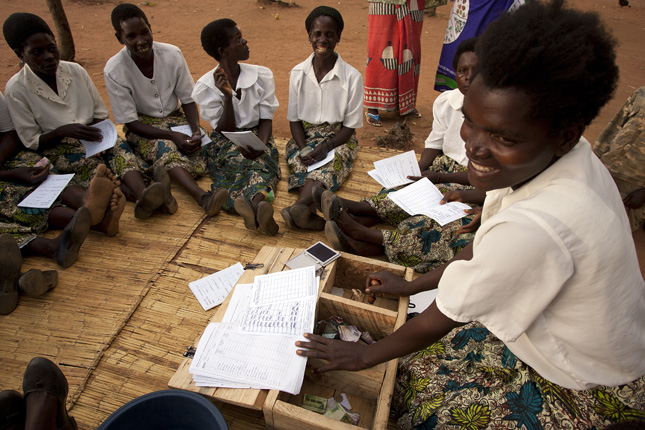
“The sooner you save, the better off you’ll be in life, wherever you live, at whatever age you start,” said Sophie Romana, director of community finance at Oxfam America: “Saving is the key.” Microsavings groups—informal community-based financial pools–can help vulnerable communities build resilience, said representatives from support organizations CARE International, Oxfam America, and the Grameen Foundation at a Wilson Center event on June 29, 2017.
-
Maternal and Women’s Health, Two Years In: Measuring Progress Towards Meeting the SDGs
›
“The aspirations of the 2030 Agenda and the SDGs are really high, and the data that will enable that have a long way to go,” said Rachel Snow from the United Nations Population Fund at a Wilson Center event on July 14, 2017.
-
To Fight Global Water Stress, U.S. Foreign Policy Will Need New Strategic Tools
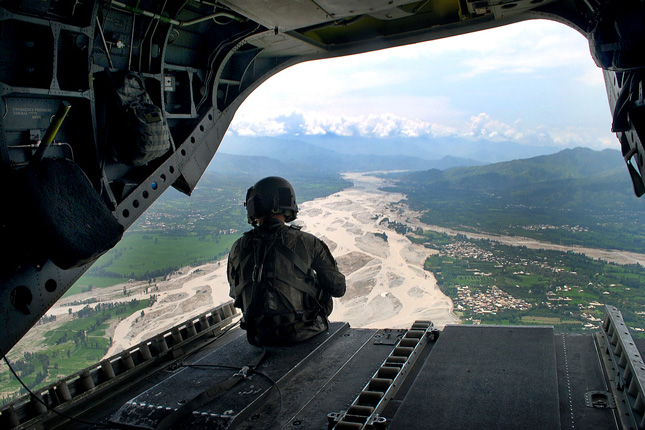
›Capable of upending rural livelihoods, compromising institutions of governance, and inducing new patterns of migration and crime, global water stress has emerged as one of the principal threats to U.S. national security, said David Reed, senior policy advisor at the World Wildlife Fund (WWF) and editor of WWF’s new book, Water, Security and U.S. Foreign Policy, on June 27 at the Wilson Center. Four defense and development leaders – retired U.S. Marine Corps General James L. Jones; Paula Dobrianksy, vice chairwoman of the National Executive Committee of the U.S. Water Partnership; retired U.S. Navy Admiral Lee Gunn, vice chairman of the CNA Military Advisory Board; and Kristalina Georgieva, chief executive of the World Bank – joined Reed for a panel discussion of water’s central role in global stability and prosperity.
-
Top 5 Posts for June 2017
›Water, water everywhere but not a drop to drink: All five of the most popular posts last month focused on water scarcity.
The final two parts of our “Choke Point: Tamil Nadu” series, which explores the conflicting demands for water, food, and energy in the South Indian state, took the top spots. In June’s most popular post, Circle of Blue’s Keith Schneider reports on Tamil Nadu’s leadership in India’s transition to solar and wind energy, which use far less of the country’s scarce water resources than coal and nuclear power plants. Schneider also wrote “New Media Helps Galvanize Tamil Nadu to Fight a Toxic Legacy,” which describes an environmental activist’s fight against industrial water contamination.
-
Meeting the Maternal and Newborn Needs of Displaced Persons in Urban Settings
›More than 60 percent of the world’s refugees and 80 percent of internally displaced persons (IDPs) now live in urban areas. In contrast to traditional refugee camps, which have mainly been in rural areas, cities and other urban settings can offer refugees greater economic opportunities, a degree of anonymity, and better access to services—at least in theory, said Mary Nell Wegner, executive director of the Maternal Health Task Force, at the Wilson Center on May 31. However, in practice, the urban advantage may be a myth, as local systems, already strained by growing populations, are not well equipped to handle a large influx of people with complex needs.
-
Water Security and U.S. Foreign Policy in India, Pakistan, and the Philippines
›In 2012, the U.S. National Intelligence Council judged that within the next 10 years, water problems would be a major contributor to instability in “many” countries that are of interest to the United States. South and Southeast Asia, with its many transboundary river basins, large populations, and geopolitical flashpoints, is one among a number of hotspots where such instability could occur.
-
Environmental Sustainability, Does It Make Dollars and Sense?
›While governments will play the central role in delivering the Sustainable Development Goals, they can’t do it without the private sector, said experts at the Wilson Center on April 12.
-
Top 5 Posts for May 2017
›Our nine-part “Choke Point: Tamil Nadu” series with Circle of Blue has been a must-read on the conflicting demands for water, food, and energy in the South Indian state. In May’s most popular post, S. Gopikrishna Warrier introduces us to Chennai’s tech-savvy social entrepreneurs, who are providing the city’s residents with real-time information on the risk of flooding. (The ninth and final post in the series was published yesterday; catch up on all of them at “Choke Point: Tamil Nadu”).
Showing posts from category media.